
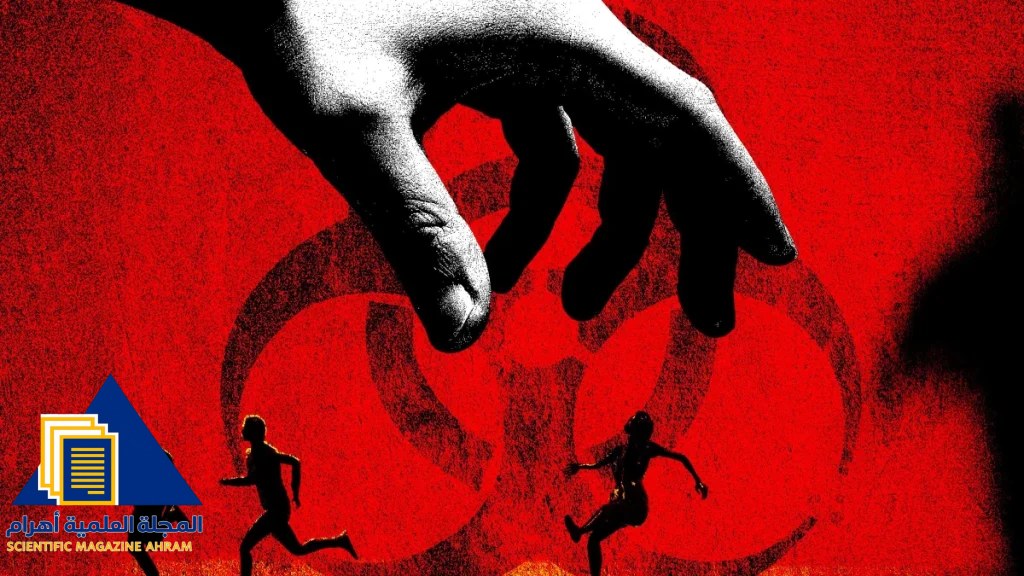

Fears Take Center Stage
Amid intense global debates over the risks of artificial intelligence, a terrifying scenario has emerged that dominates the imagination of many: could this technological progress hand humanity the tools of self-annihilation, specifically through the development of lethal biological weapons? As warnings escalate regarding the ability of large language models to provide complex information, some have begun to imagine AI as a professional outbreak engineer, yet scientific reality leans toward a more conservative and calm perspective.
The Gap Between Theory and Practice
Experts explain that there is a vast gulf between providing technical information via a chatbot and carrying out a complex biological operation on the ground. Manufacturing a pathogen is not merely a matter of theoretical knowledge; it requires precise technical infrastructure, isolated laboratories, and strictly regulated chemicals, as well as manual and experimental skills possessed only by an elite group of specialized scientists. AI may ease access to knowledge, but it cannot compensate for the absence of physical tools and laboratory practice.
Logistical Hurdles as a Shield
Beyond laboratory complexities, logistical challenges stand out as a primary shield. Designing an effective biological weapon requires a precise supply chain and the ability to manage risks that could affect the developer themselves. Researchers emphasize that the threat posed by AI in this context remains classified as very low compared to other direct risks. Today, the technology functions as a research and assistance tool, rather than an independent force capable of covert planning and execution.
A Realistic Outlook on the Future
Instead of getting lost in science fiction scenarios, the scientific community calls for a focus on the actual and near-term risks of AI, such as digital misinformation, cybersecurity, and the economic shifts resulting from job automation. Turning AI into an outbreak maker remains for now a technical challenge that exceeds the capabilities of current algorithms, sending a reassuring message that an AI-planned biological catastrophe is not as imminent as some portray.
By: Hany Sallam
Source: wired.com


Latest video
تابع معنا تحليل قراءة الصحف اليومية مع الكاتب الصحفي Hany Sallam عبر