

Crisis Underground: California’s Battle to Protect Its Water
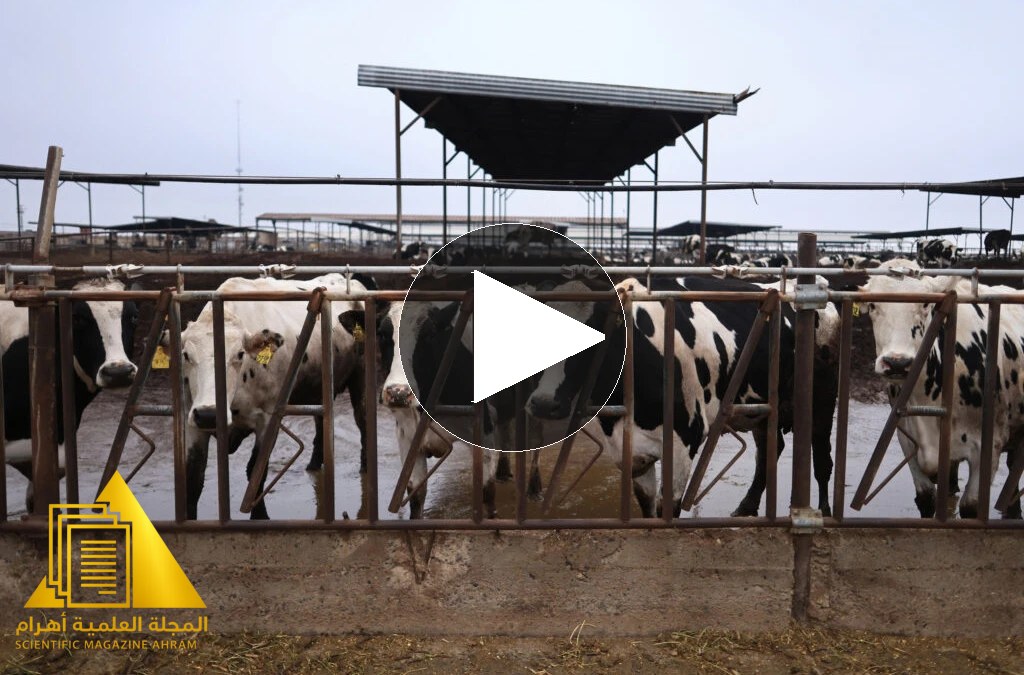
In a decisive environmental step, the US state of California has approved strict regulations targeting dairy farms, which form the backbone of the agricultural economy in its Central Valley, to tackle a cumulative problem threatening groundwater resources. This decision comes after years of campaigning by environmental organizations and local communities, which have long warned of the consequences of livestock waste seeping into the water reservoirs relied on by millions of people.
The Hidden Danger of Nitrogen
The main problem lies in the waste produced by dairy farms, which contains very high concentrations of nitrogen. When this waste accumulates and seeps into the soil, it does not just pollute the land; it reaches the groundwater, raising nitrate levels beyond safe drinking limits. This silent pollution poses a long-term health and environmental challenge, as consuming nitrate-contaminated water leads to severe health risks, particularly among children and infants.
Legal Consensus to Curb Pollution
Following a lengthy six-hour session, the State Water Resources Control Board voted unanimously to impose new regulations requiring farm owners to adopt modern technologies for managing animal manure. These regulations include close monitoring of nitrogen seepage rates and strict management plans to ensure animal waste does not reach surface water or groundwater. Experts view this environmental decision as long overdue, yet see it as a fundamental turning point toward sustainable agriculture.
The Future of Balance Between Agriculture and the Environment
The decision does not aim to harm the dairy industry, but rather to create a balance between the need for food production and the protection of natural resources. Relying on smarter irrigation and manure control methods will allow farmers to continue producing while reducing their pollution footprint. The coming challenge lies in how committed farms are to these new standards, and in providing the technical support needed to transform traditional farms into eco-friendly facilities. This is a battle not just for California’s water, but a globally followed model for how to handle crises resulting from intensive agricultural expansion.
By: Hany Sallam
Source: insideclimatenews.org


Latest video
تابع معنا تحليل قراءة الصحف اليومية مع الكاتب الصحفي Hany Sallam عبر