
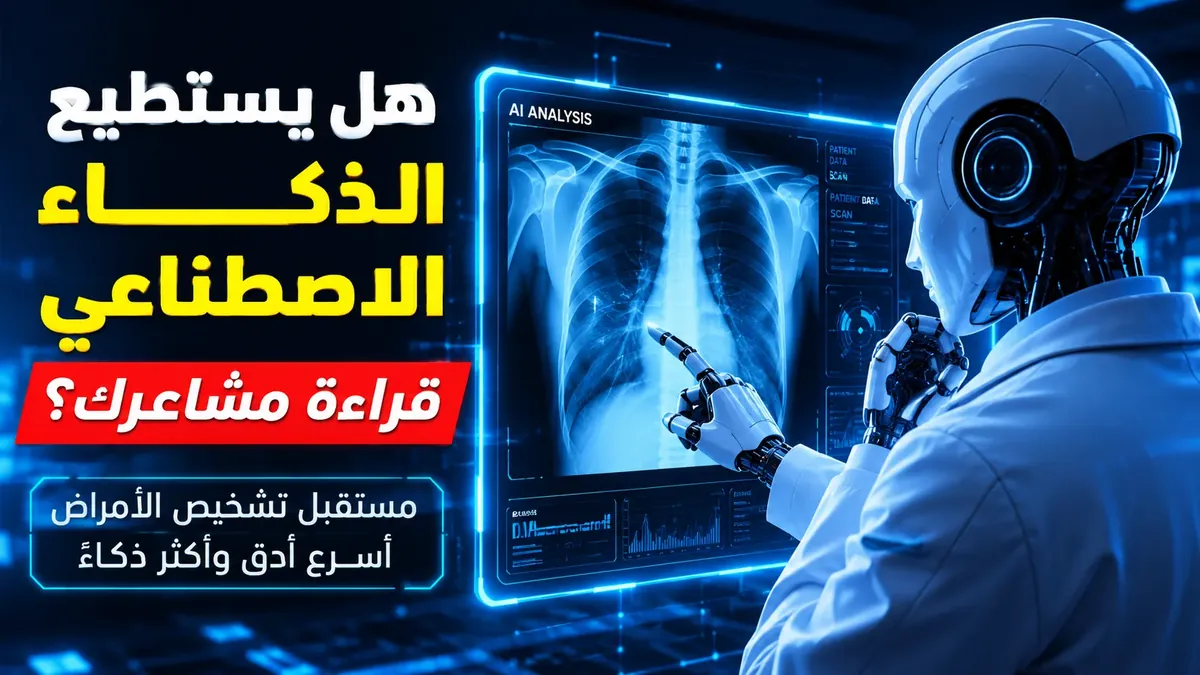

Technology companies and research laboratories around the world are working to develop a new generation of artificial intelligence systems capable of analyzing people’s emotions and psychological states through their speech and tone of voice.
These systems rely on advanced algorithms that can study subtle changes in the voice, such as speech rate, pitch tension, hesitation, and emotional shifts, with the aim of understanding the user’s emotional state more accurately.
How Can Artificial Intelligence Understand Emotions?
The system analyzes speech patterns during calls, meetings, or interactions with digital assistants, and then compares them with massive datasets that the artificial intelligence has been trained on in advance.
According to researchers, some modern models can detect signs of stress, fatigue, anxiety, and even sadness through extremely subtle changes that humans may not easily notice.
Widespread Uses in Modern Technology
Many companies have started testing these technologies within customer service centers, where artificial intelligence can detect a customer’s anger or tension during a call and automatically improve the response.
Similar systems are also being developed for smart cars to monitor driver focus and psychological state while driving.
Artificial Intelligence Enters the World of Mental Health
Some researchers believe that these systems may help support doctors and specialists in the future by detecting early indicators of depression or psychological fatigue through voice alone.
They can also be used in health apps to monitor users’ psychological states on a daily basis.
However, Concerns Are Growing
Despite the significant potential, this development raises privacy concerns regarding the possibility of monitoring emotions and reactions without the user’s knowledge.
Experts warn of the need to establish clear legal regulations before AI-based emotion analysis technologies become widespread.
Hany Sallam


Latest video
تابع معنا تحليل قراءة الصحف اليومية مع الكاتب الصحفي Hany Sallam عبر