

Introduction: The Price of Technology in the Farthest Corners of the Earth
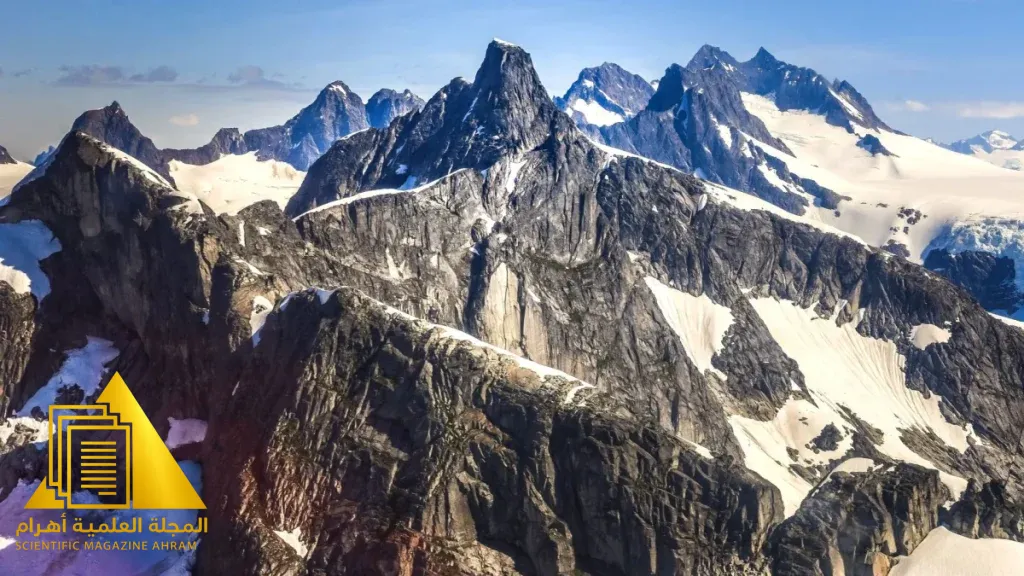
As we gaze in wonder at the color accuracy of our smartphones and advanced televisions, many of us do not realize that the hidden journey of these devices reaches far beyond the living room into the harshest and most pristine environments on Earth. A recent scientific study has revealed a disturbing surprise: chemical compounds used to manufacture modern displays exist within the soil of completely remote regions, such as the Arctic and Antarctic, all the way to the Tibetan Plateau, known as the roof of the world.
Chemical Fingerprints in Pristine Environments
The research studies aimed to analyze soil samples taken from untouched areas thousands of miles away from major industrial centers and human settlements. Interestingly, laboratory analyses proved the presence of clear traces of complex chemical compounds primarily used in the manufacture of liquid crystal displays (LCDs) and organic light-emitting diode (OLED) screens. These materials, designed to remain confined inside electronic devices, somehow found their way to settle in remote ice and soil.
Disturbing Indicators: Newer Concentrations and Higher Risks
The discoveries were not limited to merely detecting these materials; temporal analyses of the samples revealed a disturbing upward trend. Levels of these chemical compounds were clearly higher in newer samples compared to older ones. This direct correlation clearly reflects how global reliance on modern technologies is increasing, and how the surge of electronic waste and airborne pollutants is leaving a growing footprint on fragile ecosystems.
Conclusion: Toward Rethinking Tech Waste Management
These findings bring us face to face with a glaring reality: planet Earth is an interconnected ecosystem where geography is inseparable. The arrival of screen chemicals at the Tibetan Plateau and the poles sounds the alarm about the efficiency of global electronic waste disposal and recycling methods, making it urgently necessary to develop more environmentally friendly materials and tighten control over the environmental cycles of modern pollutants before it is too late.
By: Hany Sallam
Source: earth.com


Latest video
تابع معنا تحليل قراءة الصحف اليومية مع الكاتب الصحفي Hany Sallam عبر