
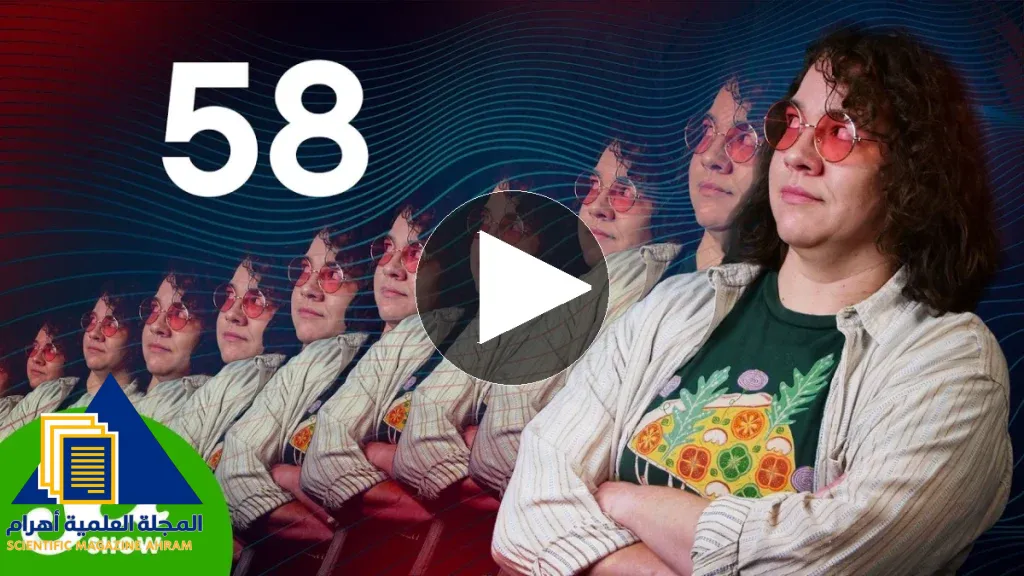

The Mystery of Biological Replication: Can a Clone Be Cloned?
Ever since the historic announcement of the birth of Dolly the sheep, a fascinating question has occupied human thought: can we continue cloning organisms indefinitely? In other words, what happens if we take a cell from an already cloned organism and try to clone it again? The scientific answer takes us on an amazing journey deep into the DNA and cells of living organisms.
The Hidden Erosion: The Story of Telomeres
To understand the challenge, we must look at telomeres, which are protective caps found at the ends of our chromosomes—much like the plastic tips on shoelaces that prevent them from fraying. Every time a cell divides, these telomeres get slightly shorter. The major problem with the first cloning process is that scientists typically start with adult cells, meaning a cloned organism is born with telomeres that are already shorter than normal for its chronological age.
The Accumulation of Genetic Errors
When we try to clone an already cloned organism, we pass this accumulated genetic burden on to the new generation. Over time, DNA is exposed to mutations and minor errors during cell division. With each new cloning cycle, these problems multiply, weakening the cells’ ability to regenerate and leading to severe health problems and a sharp shortening of the resulting organism’s lifespan.
A Dead End or a Technical Challenge?
Geneticists note that the repeated cloning of clones faces a brick wall imposed by the laws of biological nature. Cells lose their flexibility and their ability to return to the initial stem cell state needed to start a healthy new life. Thus, cloning remains a limited tool, constantly reminding us that the complexity of life and its delicate balance are hard to bypass without paying a heavy genetic price.
By: Hany Sallam
Source: SciShow


Latest video
تابع معنا تحليل قراءة الصحف اليومية مع الكاتب الصحفي Hany Sallam عبر