


By Dr. Eng. Hisham El-Sherbini
PhD in International Commercial Arbitration – Oslo Institute for Legal Studies

Consteel is a patented, innovative energy-saving technology for preheating scrap in electric arc furnaces, developed by Intersteel Technology Inc. of Charlotte, North Carolina (part of Techint, Tenova S.p.A since 1994).
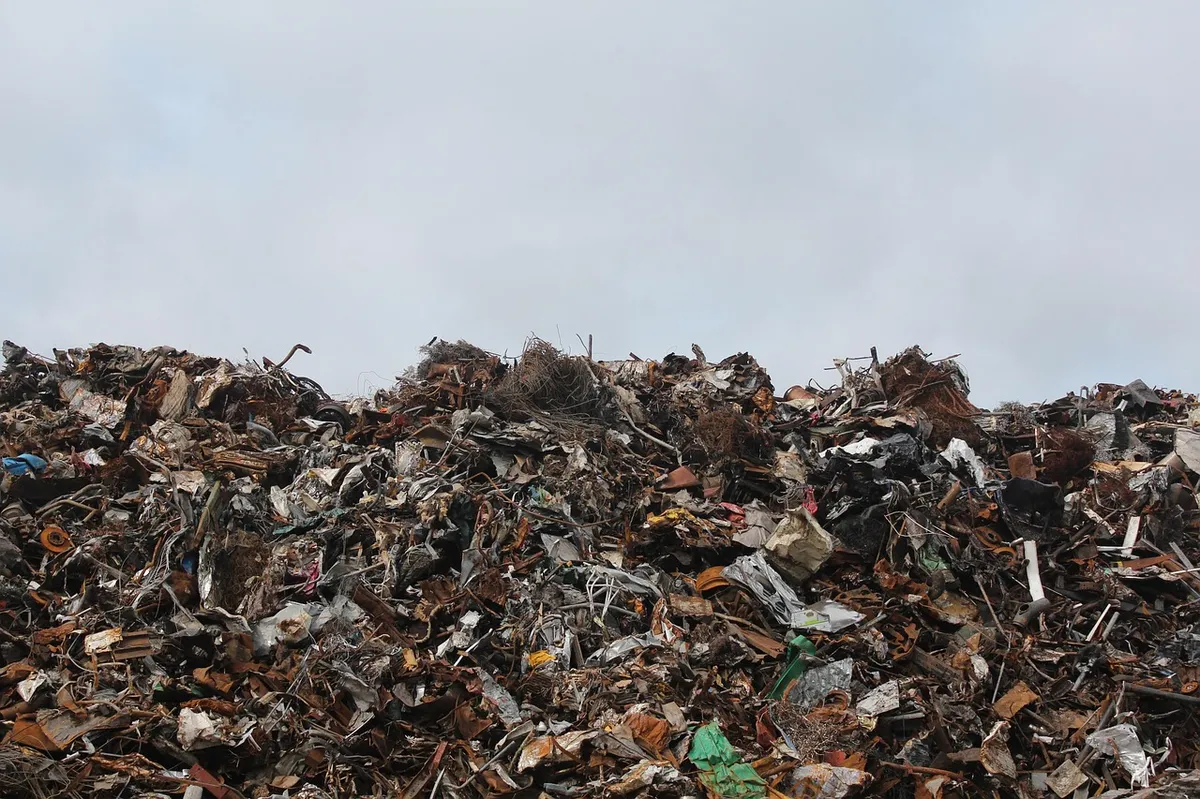
Today, Consteel is regarded as a green and sustainable steelmaking technology. It ensures the efficient use of energy and raw materials, ease of operation and maintenance, and environmental benefits through reduced emissions.
In electric arc furnaces equipped with the Consteel continuous scrap charging system, scrap is fed continuously, preheated, and conveyed along a moving path inside a preheating tunnel where off-gases from the melting furnace are burned. This continuous feeding and scrap preheating offer several potential advantages over traditional scrap charging methods.
Consteel boosts productivity and improves energy efficiency with minimal environmental impact. The main highlights of implementing this technology include conservation measures such as:
- Recovering heat from furnace off-gases to preheat scrap before charging it into the furnace,
- Reducing the electrical energy required for the melting process,
- Decreasing oxygen ($O_2$) and carbon ($C$) consumption with no burner fuel consumption,
- Increasing production rates due to shorter casting times,
- Significantly reducing electrical disturbances on the grid,
- Lowering consumption and breakage of graphite electrodes,
- Increasing the yield of the melting process,
- Producing a lower dust volume at the gas cleaning plant,
- Reductions in logistics, workforce, maintenance, and waste management costs.

The low energy use and stable operation of the molten steel surface, beneath foamy slag with Consteel, make the electric arc furnace melting process ideal when the electrical grid is relatively weak and can tolerate very few disturbances.
In addition, the Consteel continuous scrap charging system reduces noise, dust, and pollutant emissions both inside the melting bay and across the production hall as a whole.
The amount of preheating depends on heat transfer to the scrap from the melting off-gases. Scrap is typically preheated to a range of 350°C to 450°C.
This level of preheating usually reduces energy consumption by 40 kWh/t to 60 kWh/t, electrode consumption by about 0.35 kg/t, refractories consumption by about 1.2 kg/t, and casting time by about 5 to 6 minutes.
Some drawbacks of traditional scrap preheating include:
- Charging issues such as scrap sticking to the conveyor,
- Poor preheating control caused by variations in off-gas temperature and flow rate during different stages of the melting process,
- For casting times under 70 minutes, the logistics of traditional scrap preheating yield minimal energy savings that cannot justify the capital expenditure of the system.
Preheated scrap is fed continuously into electric arc furnaces, where it is melted by immersion in liquid steel. Electric arc furnaces operate under conditions of a steady, flat molten metal bath, which is a key advantage over traditional batch operations where scrap is melted through direct electric arc melting.
Combustion gases generated during operation are also routed to the off-gas treatment plant under conditions suitable for the complete combustion of carbon monoxide (CO) and other pollutants without any fuel consumption.
There are two main characteristics that make the Consteel system different from most other electric arc furnace technologies. These characteristics are the combination of preheating and, more importantly, continuous charging.
Preheating is important for saving energy, but continuous charging has shown greater benefits, namely:
- Lower production costs,
- High productivity,
- Ability to melt all types of scrap,
- Reduced environmental impact,
- Enhanced safety.
Preheating the charge is certainly effective in reducing energy consumption. Assuming an average preheating temperature in the range of 400°C to 600°C, energy savings ranging from 80 kWh/t to 120 kWh/t of liquid steel produced are achieved.
Benefits of the Consteel Process (Proven Process Benefits)
- Good environmental impact,
- Safety of operating personnel,
- Minimum disturbance to the electrical grid,
- Reduced logistics, maintenance, and labor costs,
- Improved use of chemical energy sources,
- Lower consumption of graphite electrodes,
- Increased scrap yield compared to batch-charged furnaces,
- Continuous control and optimization of operational parameters, and improved control over charging through the automatic tracking of scrap quantity and quality.
In conclusion, we would like to note that the technological transition from the traditional charging system using buckets to continuous scrap charging is an important shift that yields a good interaction. Since scrap recycling, a green product, emission reduction, and energy recovery, alongside energy reduction, are sustainable operations, they are a core requirement in the sustainable technological transition of the steel industry.
References
https://www.ispatguru.com/consteel-electric-arc-furnace-process/


Latest video
تابع معنا تحليل قراءة الصحف اليومية مع الكاتب الصحفي Hany Sallam عبر