

By Dr. Messa Salah El-Din Ismail
PhD in Materials Science

Developing Egypt’s Energy Sector
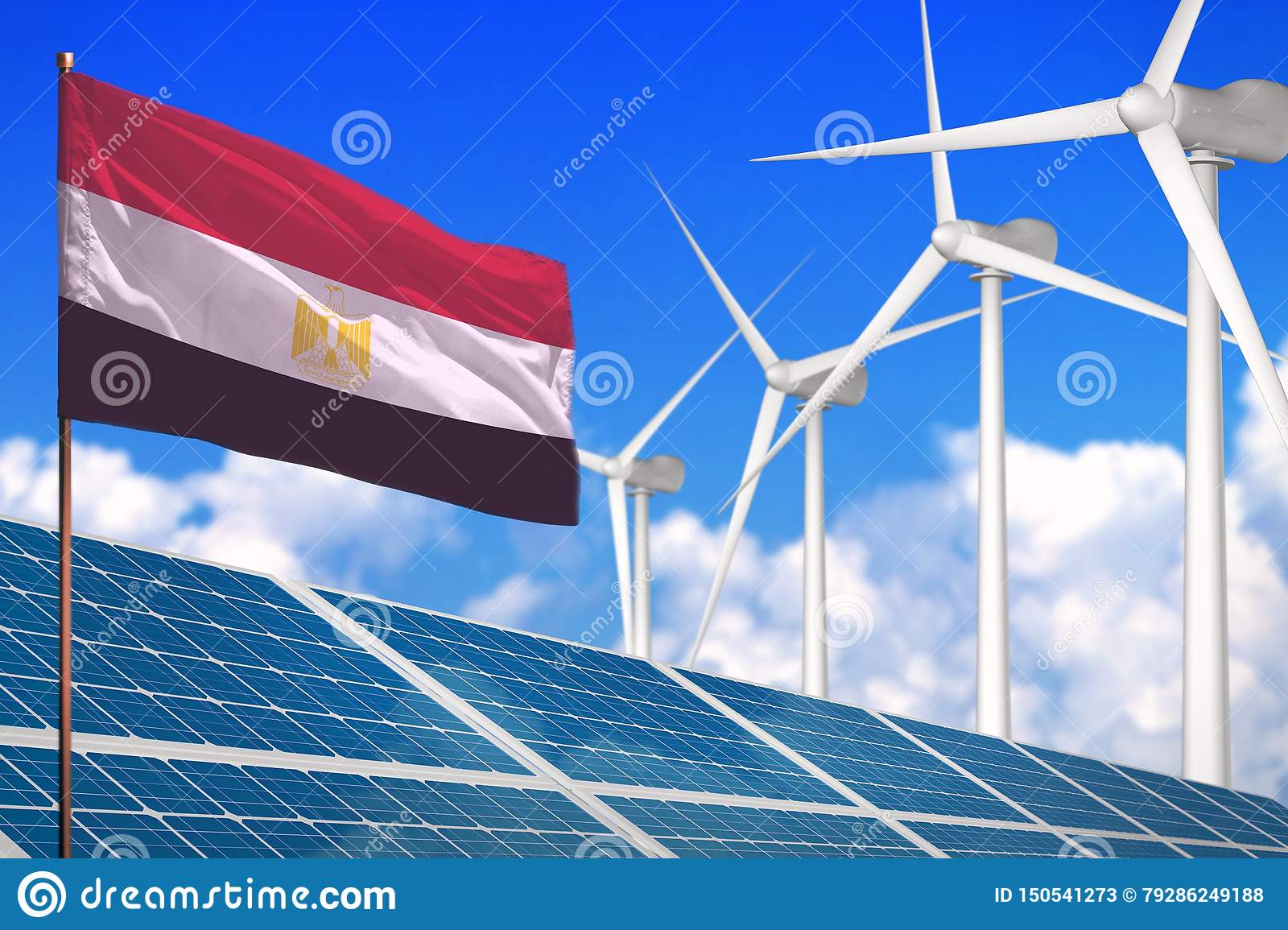
Egypt’s national strategy targets developing the energy sector as a fundamental pillar of its economic development program by partially reducing carbon use , (SDS 2015). To ensure the long-term availability of energy supplies, the Egyptian government seeks to increase its power generation capacity and diversify its sources, including expanding the renewable energy sector.
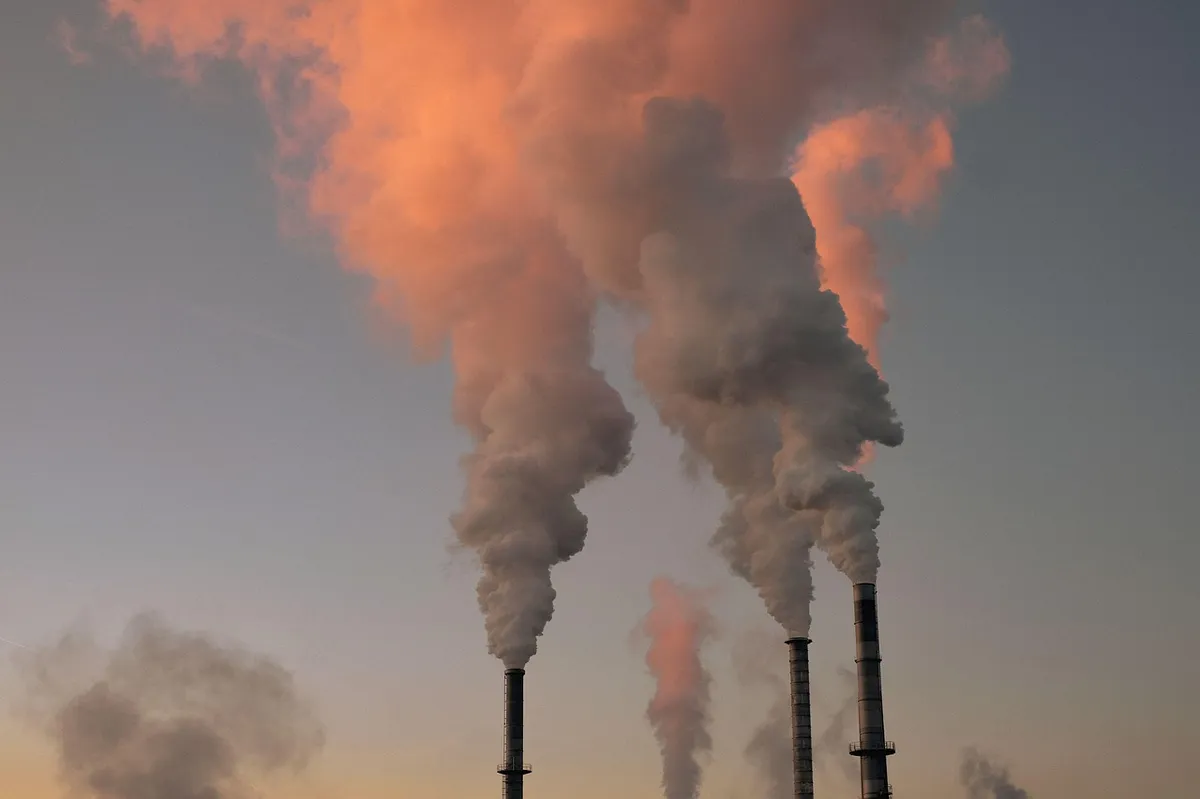
Consequently, Egypt aims for renewable energy to account for 20% of total energy supplies this year, 2022, with the share increasing to 42% by 2035 (IRENA 2018b). Total renewable energy used in Egypt reached 4,813 megawatts in 2018 (IRENA 2019b).
Fortunately, the technological potential for generating and using renewable energy in Egypt is substantial. For example, wind energy in certain parts of the country can generate at least 30,000 megawatts (SES, 2015). As for solar energy, Egypt plans to produce about 2,000 megawatts from photovoltaic power (PV-Tech, 2019). However, reserves are mainly exhausted in the hydropower sector due to the High Dam in Aswan.
To increase investment in renewable energy technology, various systems have been designed, such as net metering and feed-in tariffs. Net metering allows customers using solar panel systems (up to 20 megawatts) to carry over excess generated electricity to subsequent days or months.
The feed-in tariff system operates through fixed feed-in tariffs agreed upon in long-term contracts with renewable energy producers. The feed-in tariff program resulted in the signing of 32 power purchase agreements in October 2017 with a total capacity of 1,800 megawatts for photovoltaic power plants (PV-Tech, 2019).
Another system, the auction system, is currently underway. Under this system, the government determines the amount of generated energy to be auctioned so that developers can submit their bids, which are then evaluated based on price and other pre-defined criteria. This system relies on efficiency in cost reduction and on competition revealing the true value of this energy.
It is difficult to determine whether the transition to renewable energy requires short-term additional costs and who will bear them. However, providing resources and favorable conditions for renewable energy generation in Egypt helps overcome any of these challenges. In 2018, Egypt received a record bid of $0.0279 per kilowatt-hour from a solar energy project in upper Egypt (Energy Egypt, 2018).
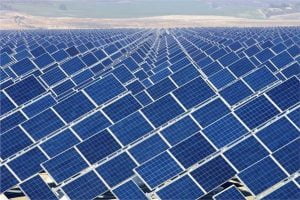
Such projects contribute to creating opportunities for renewable energy generation in Egypt, especially with the falling cost of its technology. Over the long term, investments in the renewable energy sector will contribute to economic growth, competitiveness, environmental protection, and social welfare, alongside the commitment of different generations to their duties toward subsequent generations across eras.
References
- Energy Egypt. 2018. Egypt receives two bids under $0.03/kWh for 200 MW Kom Ombo solar project. Retrieved April 21, 2019, from https://energyegypt.net/egypt-receives-two-bids-under-0-03-kwh-for-200-mw-kom-ombo-solar-project/.
- IRENA (International Renewable Energy Agency). 2018a. Energy Transition. Retrieved April 21, 2019, from https://www.irena.org/energytransition.
- IRENA (International Renewable Energy Agency). 2018b. Renewable Energy Outlook Egypt. Retrieved April 21, 2019, from https://www.irena.org/-/media/Files/IRENA/Agency/Publication/2018/Oct/IRENA_Outlook_Egypt_2018_En.pdf.
- IRENA (International Renewable Energy Agency). 2019a. Power Generation Costs. Retrieved April 21, 2019, from https://www.irena.org/costs/Power-Generation-Costs.
- IRENA (International Renewable Energy Agency). 2019b. Renewable Capacity Statistics 2019. Retrieved May 21, 2019, from https://www.irena.org/-/media/Files/IRENA/Agency/Publication/2019/Mar/IRENA_RE_Capacity_Statistics_2019.pdf
- Rawls, J. 1971. A theory of justice. Oxford: Oxford University Press.
- PV-Tech. 2019. Acciona, Swicorp finalise PV trio in Egypt. Retrieved April 21, 2019, from https://www.pv-tech.org/news/acciona-swicorp-finalise-pv-trio-in-egypt.
- SDS (2030 Egypt Vision). 2015. SDS 2030 Egypt Vision. Retrieved April 21, 2019, from http://mcit.gov.eg/Upcont/Documents/Reports%20and%20Documents_492016000_English_Booklet_2030_compressed_4_9_16.pdf.
- SES (Integrated Sustainable Energy Strategy to 2035). 2015. Volume 1. The Arab Republic of Egypt.
- UN (United Nations). 2018a. Goal 13: Take urgent action to combat climate change and its impacts. Retrieved April 21, 2019, from https://www.un.org/sustainabledevelopment/climate-change-2/.
- UN (United Nations). 2018b. Affordable and clean energy: why it matters. Retrieved April 21, 2019, from https://www.un.org/sustainabledevelopment/wp-content/uploads/2018/09/Goal-7.pdf.
- UNFCCC (United Nations Framework Convention on Climate Change). 2019. Paris Agreement – Status of Ratification. Retrieved April 21, 2019, from https://unfccc.int/process/the-paris-agreement/status-of-ratification.
- WMO (World Meteorological Organization). 2018. Greenhouse gas levels in atmosphere reach new record. Retrieved April 21, 2019, from https://public.wmo.int/en/media/press-release/greenhouse-gas-levels-atmosphere-reach-new-record.
- WCED (World Commission on Environment and Development). 1987. Our Common Future. United Nations. Retrieved April 21, 2019, from https://www.are.admin.ch/dam/are/de/dokumente/nachhaltige_entwicklung/dokumente/bericht/our_common_futurebrundtlandreport1987.pdf.download.pdf/our_common_futurebrundtlandreport1987.pdf.
- WWF (World Wildlife Fund). 2019. The impacts of climate change on wildlife. Retrieved April 21, 2019, from https://www.wwf.org.uk/effectsofclimatechange.
The coming article is an overview of renewable energy sources in the Arab Republic of Egypt (3)


Latest video
تابع معنا تحليل قراءة الصحف اليومية مع الكاتب الصحفي Hany Sallam عبر