
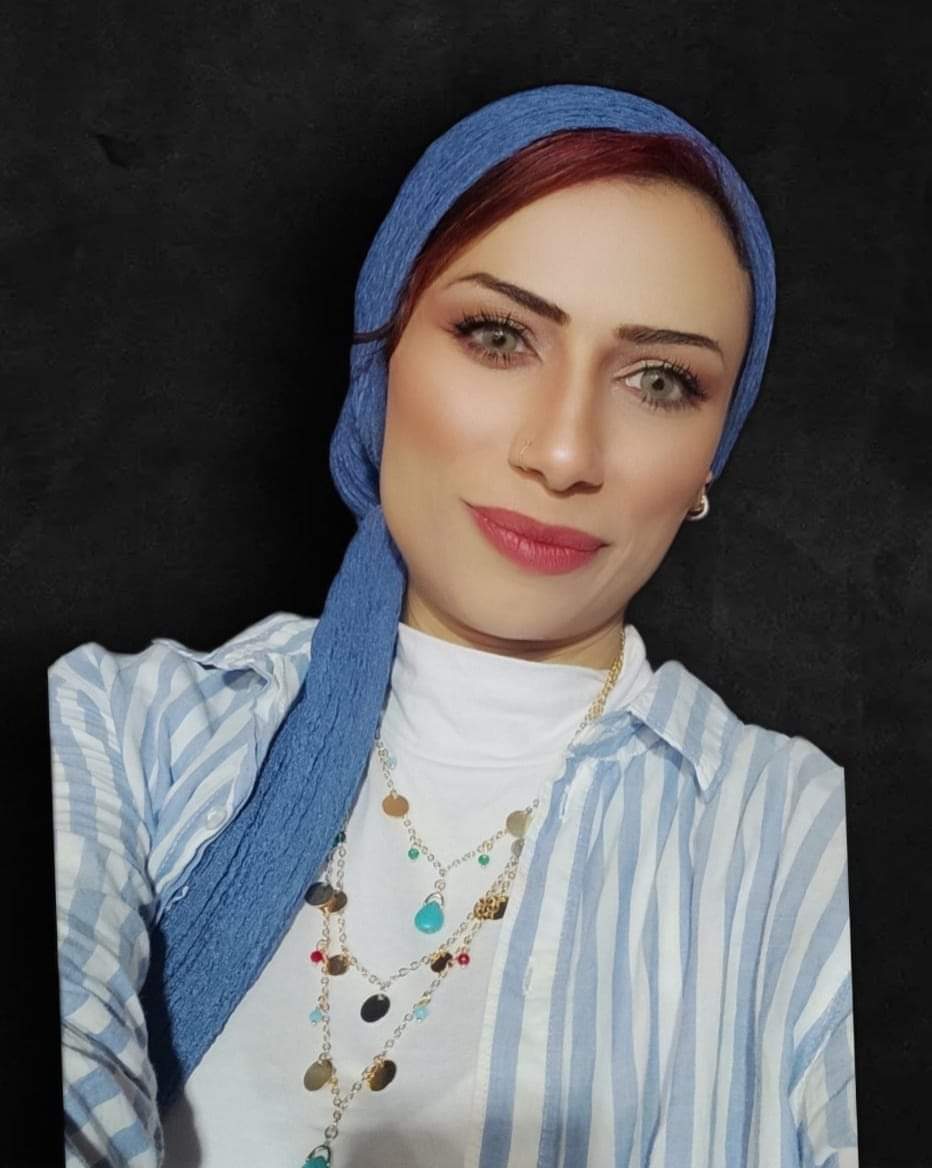

By Rody Nabil
The first is built on suspicions, premonitions, and agendas; it is purposeless and will not bear fruit.
As for constructive criticism,
it is one of the most important reasons for the progress of nations, institutions, and individuals. Therefore—at this stage in particular—we need to encourage constructive criticism.
Criticism is just like dialogue:
it takes place between two or more parties, and it needs communication, listening, and care
so that it becomes a widely welcomed culture and a good tool for advancement and accomplishing tasks in the best possible way, rather than—as we hope—the wide gap between what is possible and what we hope for.
I find an official’s openness to constructive criticism to be an essential trait of a successful leader. Achieving good, balanced dialogue among all segments of society is the correct and healthy way to reach the goal by the shortest paths, and it takes place among the genuine, simulating parties.
Educational institutions at all levels are among the most important institutions that should care about criticism and root it in their culture
so that criticism becomes an important part, a curriculum, and a method of evaluation,
especially since they are among the institutions that interact most with the family in all its members,
such that criticism is practiced between the teacher and the students,
and among the students themselves, as well as between them, parents, and officials. This helps resolve the challenges and difficulties they face, if everyone masters listening and criticism.
Performance evaluation criteria for those who work with an official must include at least some of these traits:
– Their ability to communicate well, listen to everyone, and show a desire to help and find solutions.
– The extent to which those around you are open to cooperation and teamwork with an integrated work team.
(Therefore, an official must choose wisely who truly assists them, follow proper mechanisms, and ensure decisions are implemented.)
It is also necessary for an official to possess the ability to communicate and work within a team that genuinely assists them.
(The performance of an official, their assistants, or the person tasked with a mission must be measured 👈 by its actual completion, not just by the issuance of a decision.) They must also lead their team on the right path, encourage them to perform, create innovative ideas, and place Egypt and its children in the standing worthy of it and its civilization. This is achieved not by issuing decisions, but by changing whatever reality can be changed…
Motivating students and teachers, raising efficiency and the rate of creativity,
providing good and continuous training, and also measuring how well they mesh together to boost morale and foster healthy competition.
_The quality and accuracy of the curriculum, how well it measures individual differences, giving students their full rights, proper evaluation methods, and the return of the textbook
are among the most important criteria for development.
_In addition to teacher quality, which has many aspects, including:
communication skills with students
and finding the right way to understand each student.
This is what is called individual differences; the teacher must realize that it is normal to vary their explanation methods in the classroom
👈or divide classes according to student abilities and individual differences.
Finding effective solutions for the best results is among the most important traits of a teacher of all…
A teacher’s achievement at this stage and their contribution to development and raising student levels, I see as one of the loftiest goals, professions, and values. They help raise our children with us, so we must care deeply about those who shape tomorrow with us. I view their development, training, and ensuring their comfort as a matter of utmost importance…
We want a minister who is a father and a teacher who is a role model. We want our schools to embrace our children again instead of private tutoring centers. We want students to keep company with their books and pens…
We want nothing less than what Egypt deserves because it is worthy. So build for us a generation capable of challenge that creates a bright tomorrow…


Latest video
تابع معنا تحليل قراءة الصحف اليومية مع الكاتب الصحفي Hany Sallam عبر