

Between Creativity and Algorithms: Neill Blomkamp Stirs Controversy with His Latest Film
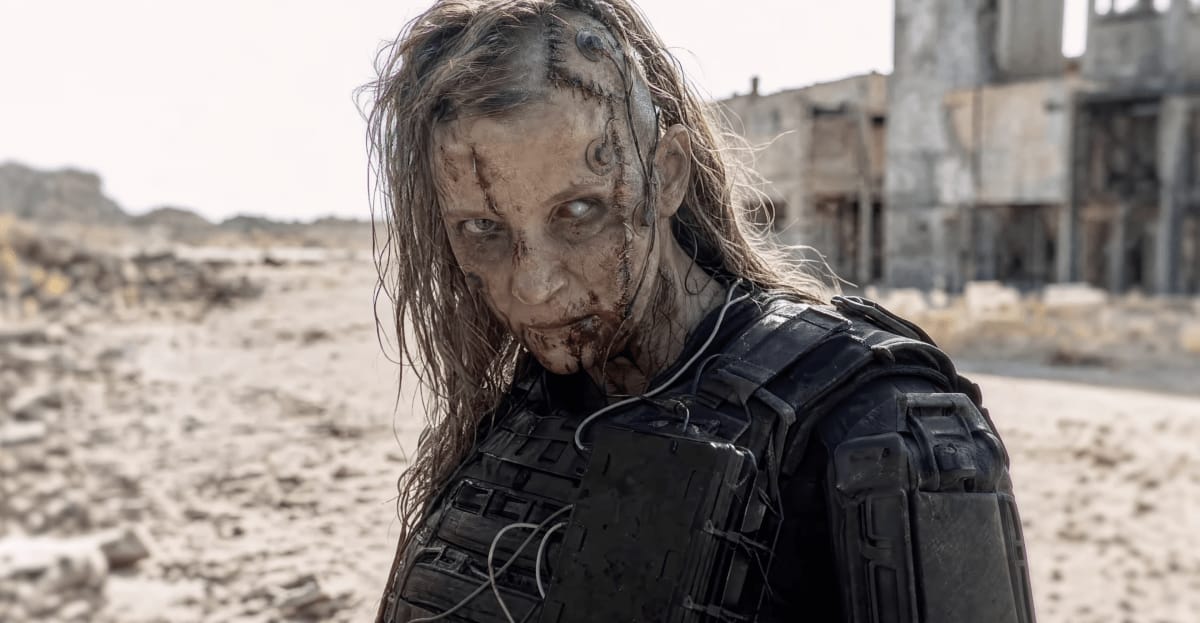
Renowned director Neill Blomkamp, known for the science fiction masterpiece District 9, has returned to the cinematic spotlight, this time through generative artificial intelligence. Blomkamp released his new 13-minute short film, Nightborne, which is inspired by Peter Watts’s science fiction novel Echopraxia. The film is not just a passing artistic experiment; it is the debut production of his startup, Barley Studios, which is betting on integrating advanced technology into filmmaking.
Has Artificial Intelligence Outperformed Human Actors?
The technology used in the film relies on the precise simulation of human actors’ faces and voices using advanced artificial intelligence models. The idea is that it is possible to create a complete acting performance without actors needing to be physically present in traditional studios. However, the film faced a wave of sharp criticism. Tech critics described it as an attempt to “recycle” exhausted science fiction ideas, noting that the work’s visual and auditory quality lacks the deep human soul that characterized Blomkamp’s previous work.
Ethical Debates in the Digital Age
Blomkamp’s experiment raises fundamental questions about the future of the film industry. While some see these tools as a technological revolution that will cut production costs and open new horizons for independent creators, others view them as an existential threat to workers in the acting and production sectors. Digital simulation, no matter how precise, remains in doubt regarding its ability to truly convey complex human emotions, which was clearly evident in the reactions that criticized the “rigidity” of the characters despite the technological advancement.
Beyond Technology: The Future of Cinema
The question remains: Are we moving into an era where cinema relies on text prompts instead of cameras and lenses? Nightborne represents an attempt to explore these boundaries, but at the same time, it reveals the large gap between current technical capabilities and the ability to tell a story that touches viewers’ hearts. As these tools continue to evolve, the biggest challenge remains not how to generate images and sounds, but how to preserve the essence of art in a world dominated by algorithms.
By: Hany Sallam
Source: theverge.com


Latest video
تابع معنا تحليل قراءة الصحف اليومية مع الكاتب الصحفي Hany Sallam عبر