
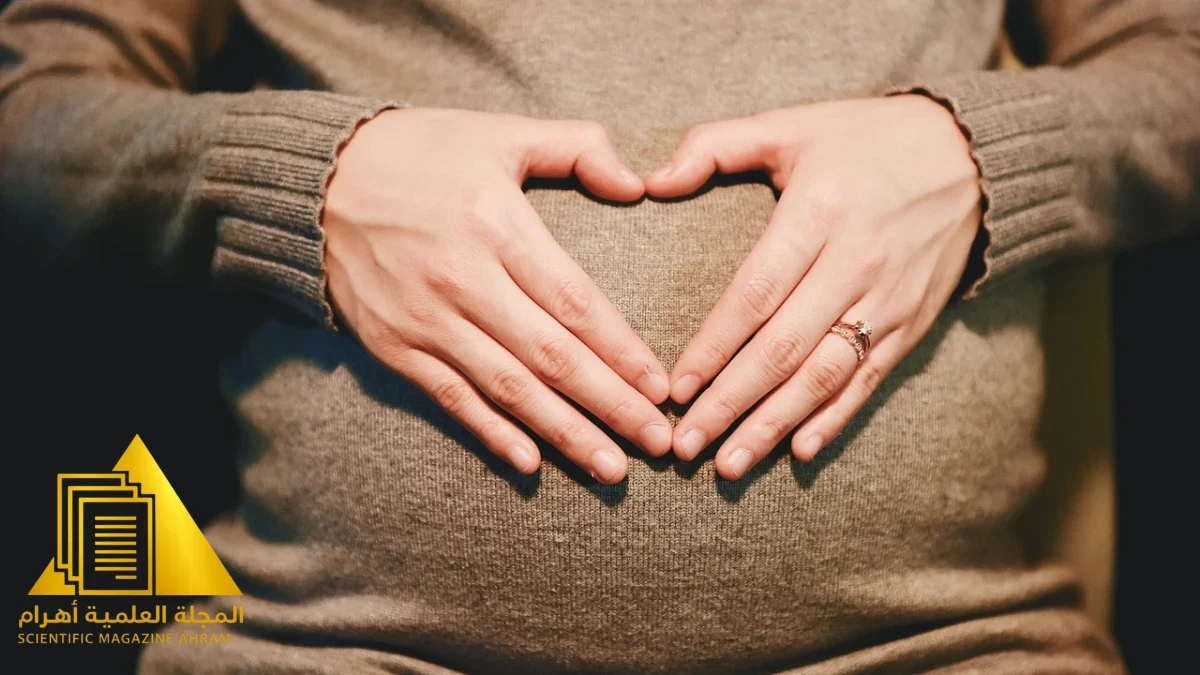

A Medical Mystery That Has Baffled Doctors for Thousands of Years
Severe early-onset preeclampsia has remained a complex puzzle for the medical community for more than two thousand years. It is a serious condition that does not merely raise blood pressure, but suddenly threatens the lives of both mother and fetus. Most alarming is its timing, as it can strike a pregnant woman very early—specifically by the twentieth week of pregnancy—placing doctors and families in a constant race against time to avoid its devastating complications.
Early Onset: When Pregnancy Turns Dangerous
Normally, pregnancy-related blood pressure issues are linked to the later stages of pregnancy, but the early form differs radically in its severity. This hidden disorder begins to creep in around the middle of pregnancy, triggering a sharp rise in blood pressure that resists traditional control methods. This sudden spike not only affects the health of the mother’s arteries, but also reduces the flow of oxygen- and nutrient-rich blood through the placenta to the developing fetus, creating a high-risk environment for both.
A Scientific Breakthrough That Opens the Door to Hope
Recently, scientists have taken a huge step toward decoding this mysterious disease by identifying the primary cause behind severe early-onset cases. This discovery represents a genuine glimmer of hope for changing diagnosis and early medical intervention methods. Instead of simply monitoring symptoms and dealing with them after it is too late, doctors will soon be able to target the root of the problem directly, paving the way for preventive treatments that protect mothers and their children from the risks of this historical medical challenge.
By: Hany Sallam
Source: medicalxpress.com


Latest video
تابع معنا تحليل قراءة الصحف اليومية مع الكاتب الصحفي Hany Sallam عبر