
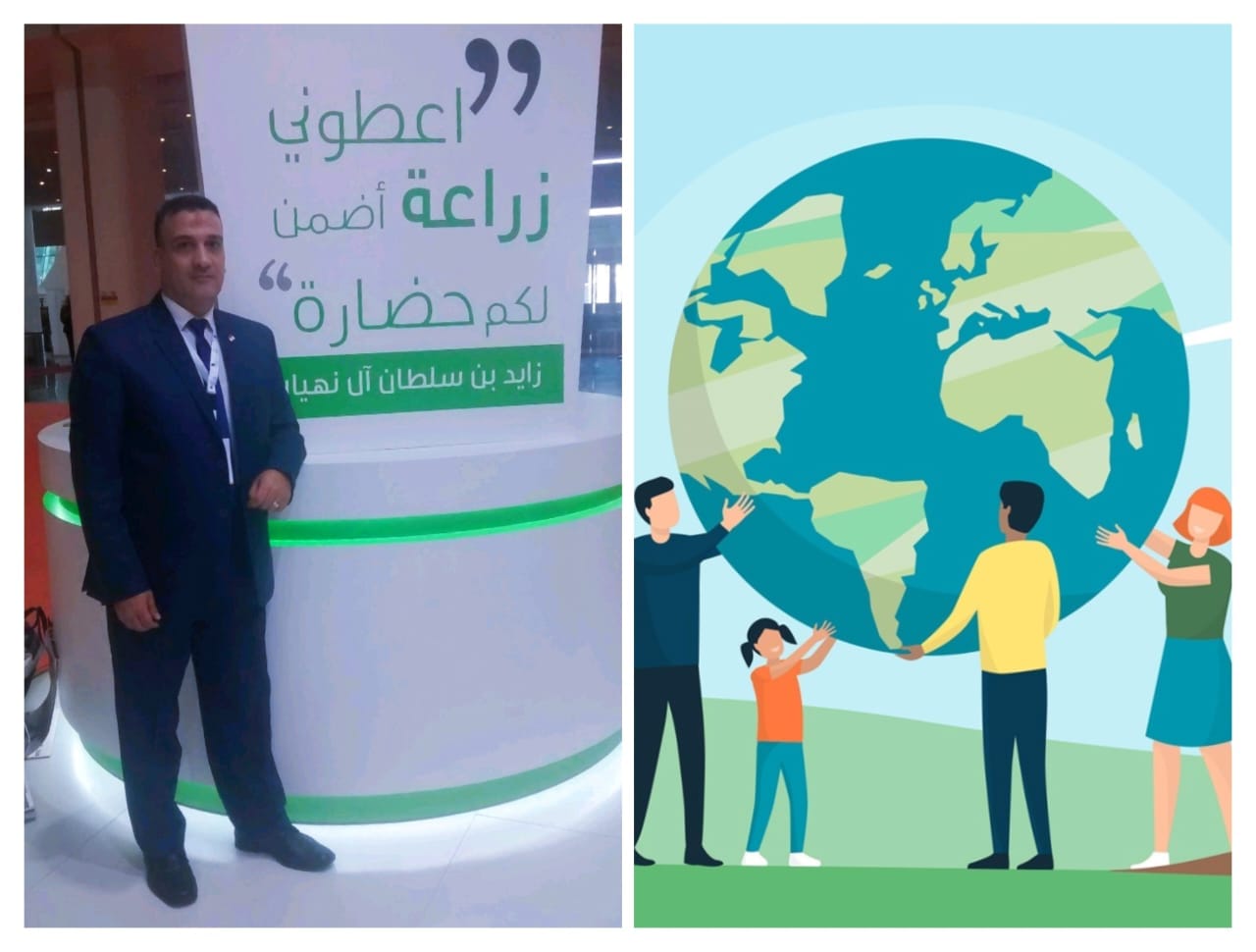

Environment, agriculture, and sustainability are vital issues in the Arab region, where many residents rely on farming as a primary source of food and livelihood. With population growth and climate change, the Arab region faces major challenges in protecting the environment and ensuring agricultural sustainability to meet the growing needs of the population.
Traditional agricultural practices in the Arab region are often unsustainable and cause environmental degradation. These practices include using large quantities of pesticides and chemical fertilizers, depleting groundwater, and causing desertification. Consequently, these harmful practices affect biodiversity, soil quality, and water resources.
In recent years, however, many Arab countries have begun taking steps to promote sustainable agriculture and protect the environment. These measures include shifting to organic farming, using modern irrigation techniques, diversifying crops, and enhancing biodiversity in agricultural areas.
To achieve sustainability in agriculture, agricultural education must also be promoted and farmers must receive the necessary support. This can be achieved by providing training, information, and funding to help farmers implement sustainable farming practices, adopt modern agricultural technology, and use artificial intelligence.
In addition to sustainable agriculture, environmental conservation must be an essential part of development strategies in the Arab region. Governments, civil society, and the private sector need to work together to promote the protection of natural areas and wildlife and preserve freshwater sources, as the environment is a loan from grandchildren to grandparents.
Furthermore, the public must be made aware of the importance of environmental conservation and encouraged to take small steps to contribute to sustainability. Individuals can do simple things such as sorting waste and recycling, saving energy and water, investing in organic and local products, and participating in local urban agriculture programs.
Governments, environmental organizations, and civil society must work together to encourage innovation, develop green technology, strengthen environmental policies and protection legislation, and provide financial and technical support for sustainability projects.
It is necessary to take immediate action to preserve the environment and ensure agricultural sustainability in the Arab region. Investing in sustainable agriculture and environmental protection will not only provide food, water, and vital resources for future generations, but will also contribute to achieving comprehensive development and a strong, sustainable economy in the region.
Prof. Dr. Magdy Farouk El-Samahy
Professor of Nanotechnology and Plant Protection at the Plant Protection Research Institute – Agricultural Research Center
Head of the Kafr El-Sheikh Branch of the Arab Union for Sustainable Development and Environment
Board Member of the Egyptian Council of Scientists Association
Member of the Scientific Research Ethics Committee at Kafrelsheikh University
Board Member of the Scientific Society for Environmental Protection at Kafrelsheikh University


Latest video
تابع معنا تحليل قراءة الصحف اليومية مع الكاتب الصحفي Hany Sallam عبر