

Human Beings as the Core of Wealth: Exploring the Transformative Depth of Human Development in Economic Growth
In a world where technological progress accelerates and economic systems grow increasingly complex, the individual remains the deepest and most impactful constant in the equation of wealth. Economic growth is no longer merely the product of natural resources or physical capital; rather, it depends on the extent to which societies invest in their greatest asset: the human being. Human development, with its empowerment of minds, cultivation of skills, and promotion of creativity, stands out today as a transformative force that is reshaping the concept of economics and placing people at the forefront.
The Human Being: True Capital
Land, minerals, and machinery were long considered the foundations of the traditional economy, but this model is no longer sufficient in the era of the digital and knowledge revolution. The trained, creative, and adaptable individual is the one who turns ideas into innovations and resources into added value. International reports, such as those issued by the World Bank, confirm that investment in education, health, and vocational training accounts for up to 70% of economic growth in developed countries. This is not just a number, but proof that human development is not a luxury, but a strategic necessity.
Shifting From Quantity to Quality
Economies that have bet on developing their human resources have witnessed a qualitative transformation, not merely a quantitative one. Take Singapore as an example: a small country with no traditional natural resources, yet it invested in its people to become one of the strongest global economies. High-quality education, comprehensive healthcare, and an environment that encourages innovation have turned every individual within it into a driver of growth. By contrast, we see economies rich in natural resources lagging behind because they neglected human development, proving that true wealth lies not in the land, but in those who inhabit it.
Human Development and Economic Sustainability
What makes human development a deeply transformative force is its ability to generate sustainable growth. When individuals are empowered with knowledge and skills, they not only contribute to increasing the gross domestic product, but they also pioneer solutions to major challenges such as climate change, poverty, and inequality. An economy that relies on developed minds is more resilient in the face of crises, because a developed individual is capable of reinventing themselves and the system in which they live.
Even so, investment in human development faces obstacles, including disparities in the distribution of resources between countries and the gap between rich and poor within societies. Here, the shared responsibility of governments and the private sector emerges to ensure that human development is comprehensive and not limited to a small elite. Free education programs, subsidized vocational training, and the provision of equal opportunities for all are essential steps to genuinely turning the human being into the center of wealth.
Conclusion: The Future Is Human
Ultimately, the economy is not just numbers and indicators; it is a reflection of human capabilities and ambitions. Human development is not merely a tool for economic growth, but the very essence that gives that growth depth and meaning. When we realize that the human being is the true core of wealth, we take the first step toward an economy measured not only by the size of its output, but by the quality of life it provides for everyone. It is a call to rethink our priorities, because the future is built not by machines alone, but by those who know how to use them well.
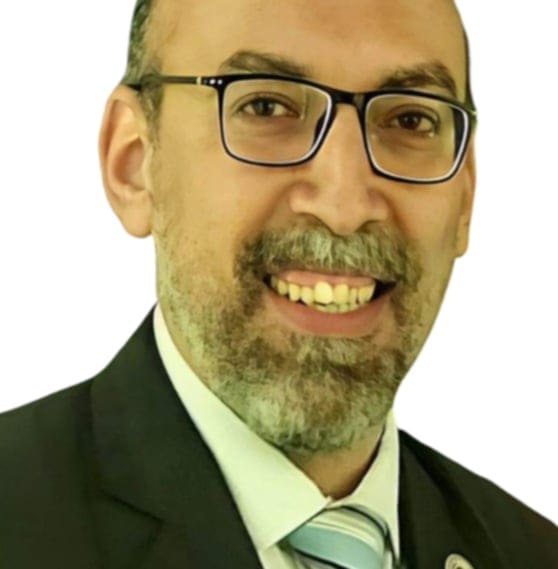
By: Dr. Mohamed El-Saeed Qotb
Training and Institutional Development Consultant


Latest video
تابع معنا تحليل قراءة الصحف اليومية مع الكاتب الصحفي Hany Sallam عبر