

By: Agricultural Engineer Mohamed Abu Dhafir

□ Temperature is one of the most critical factors influencing the life and growth of fish. Based on water temperature,
Fish Are Divided into Three Categories:
– Cold-water fish, temperate-water fish, and warm-water fish.
– Temperature affects the development, growth, and survival of fish, whether positively or negatively.
– Sudden exposure to water temperatures that rise above the maximum limit or drop below the minimum limit has a negative impact on the health and survival of fish. It may lead to partial or total mortality among fish stocks due to thermal shock and stress.
– Fish can generally tolerate high temperatures better than they can tolerate low temperatures.
– In winter, low water temperatures caused by severe cold air result in the death of large numbers of tilapia if the water temperature drops to between 8°C and 10°C.
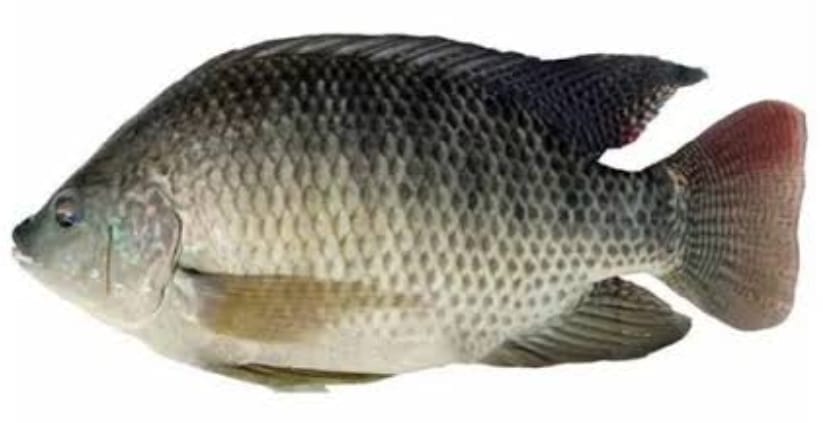
Tilapia are warm-water fish, making them highly sensitive to drops in water temperature. The ideal water temperature for raising tilapia ranges from 24°C to 30°C. Tilapia stop feeding and growing at 16°C, as their digestion and nutrient absorption rates are affected.
– The longer the exposure to the cold, the higher the rate of partial or total mortality in the fish stock.
□ Differences Between Fish Mortality in Summer and Winter
– Fish that die in the summer float and appear on the water surface roughly 24 hours or more after death. As long as the fish remains fresh and only a few hours have passed since its death, it will stay at the bottom until decomposition and putrefaction begin in the abdomen. This process produces foul-smelling gases that reduce the fish’s weight and cause the belly to inflate like a balloon, helping the dead fish float to the water surface and leading to the spread of bacteria.
– Fish that die in the winter do not float or appear on the water surface until a few days after weather conditions stabilize, the sun appears, and the cold wave ends, as the improvement and rise in water temperature help the dead fish rise to the surface.
☆ Example: If there is a severe cold wave that lasts for a period, and fish mortality occurs on the first days of this cold wave, the fish that die at the beginning will definitely remain at the bottom and stay fixed until they decompose in the soil, without floating or appearing on the water surface.
– However, if fish mortality occurs at the end of the cold wave, followed by stable weather and improved water temperatures, these dead fish will not undergo decomposition and will therefore float and appear on the water surface.
□ For this reason, owners of open fish farms drain their pond water after winter and at the beginning of summer for the following purposes:
– To gather fish in what are known as troughs (khabawat) and check the number of fish using a seine net (shalb) to determine the population density in the rearing and fattening ponds, as the number of fish becomes unknown after exposure to cold and frost and the death of some of them.
– To get rid of the wintering water along with all the remains of decomposed fish, accumulations, sediments, and waste it carries.


Latest video
تابع معنا تحليل قراءة الصحف اليومية مع الكاتب الصحفي Hany Sallam عبر