


The Role of Exploratory Robots

By Ayman Shaaban
Mobile Software Designer
Robots that can collect DNA from aquatic environments may soon help researchers discover more medicines derived from marine life.
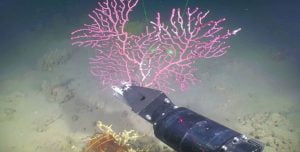
Scientists sampled Muricea coral at a depth of roughly 400 feet using a robotic arm attached to a remotely operated vehicle. The expedition was searching for compounds that may have medicinal properties.
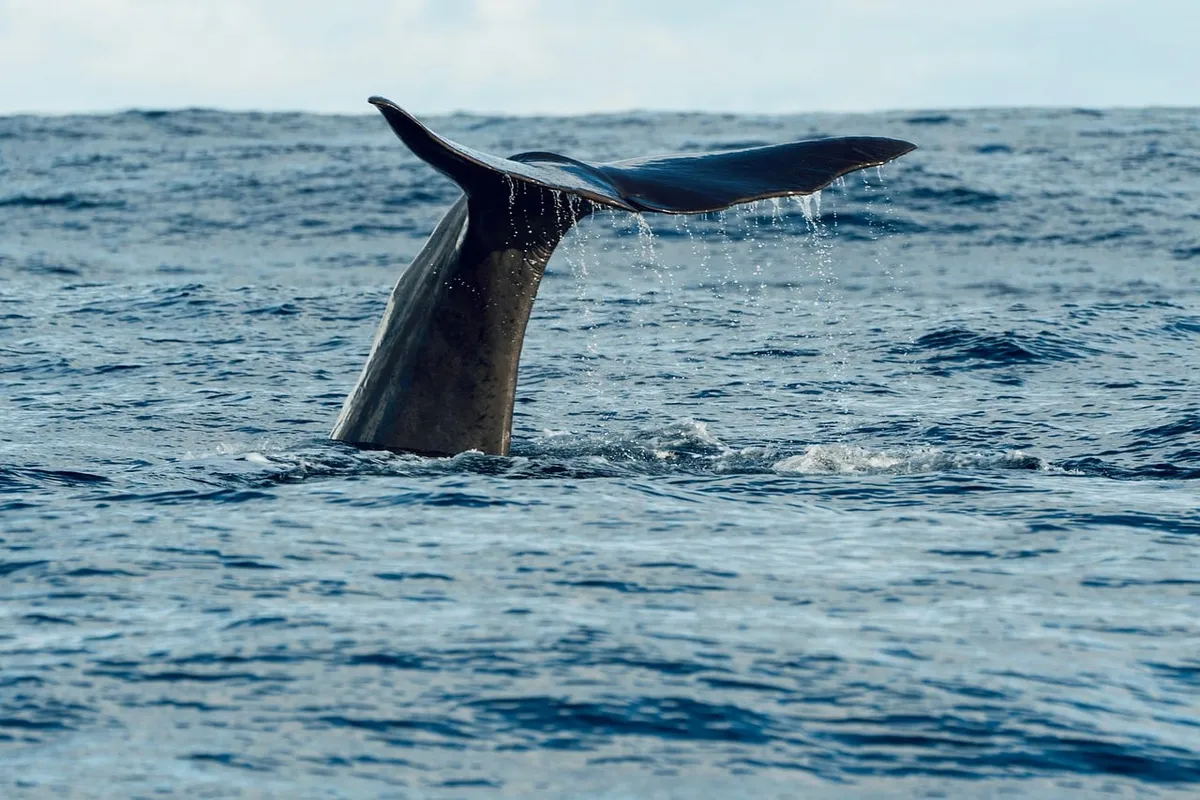
Biologists are working with engineers to develop new tools to accelerate the development of drugs derived from marine animals, focusing on ocean-crossing robots with DNA sequencing equipment on board.
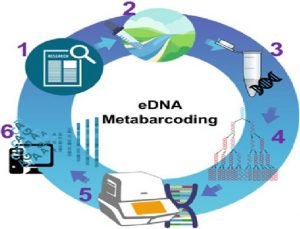
They anticipate fleets of autonomous submersibles roaming the ocean like digital bloodhounds to gather samples of animal DNA in seawater—after which so-called environmental DNA, or eDNA, is collected and analyzed.
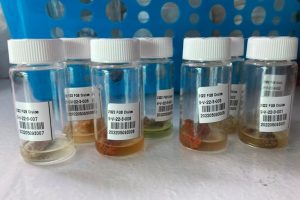
Image: Samples of sponges, corals, and various marine invertebrates collected during an expedition to the Gulf of Mexico so researchers can conduct DNA and chemical assessments.
More than a dozen drugs have been developed from compounds made naturally by sponges, corals, and various marine invertebrates. Biologists say robots may speed up the refinement of many additions, by making it easier to collect samples from animals living in remote habitats alongside coral reefs, underwater canyons, and hydrothermal vents.
Sources:
https://www.newsncr.com/technology/finding-new-drugs-from-the-deep-sea-via-edna/


Latest video
تابع معنا تحليل قراءة الصحف اليومية مع الكاتب الصحفي Hany Sallam عبر