


By: Dr. Chemist Hassan Al-Najjar Hassan Ibrahim
PhD in Materials Science
Gas flaring has become a local and global concern and stands out as one of the most challenging energy and environmental issues facing the world today. It represents an environmental catastrophe, a multi-billion-dollar loss, and a global energy problem that has persisted for decades. Flaring is the largest loss in many industrial operations, although burning excess gases is necessary in some plants and petroleum extraction and refining companies. However, efforts are underway to reduce gas flaring not only to cut air, noise, and light pollution from flares, but also to conserve energy and raw materials, translating into savings that can reach millions of dollars. The World Bank estimates that between 150 and 170 billion cubic meters of gas are flared annually, valued at roughly $30.6 billion—an amount equivalent to 25 percent of US gas consumption or 30 percent of the European Union’s annual gas consumption.
A flare system is defined as a safety system used to relieve pressure in oil, gas, and petrochemical refineries, where excess gases are collected and routed to lines to be burned. Flare gases impact the following areas:
- Social and Economic Impact
Disruption of traditional production systems such as agriculture and fishing.
- Environmental Impact
Large quantities of carbon dioxide resulting from combustion contribute to a high greenhouse effect and climate change.
- Human Impact
Blood disorders and bone deformities.
All of these impacts have contributed to the emergence of flare gas recovery systems, as environmental and economic issues have driven increased adoption and reuse of flare gas recovery systems. Unwanted gases are collected and can be used as fuel within the plant to reduce the amount of fuel required.
A flare gas recovery unit provides several benefits, including reduced fuel and steam consumption, an extended flare tip life, a quick return on investment, and lower plant emissions.
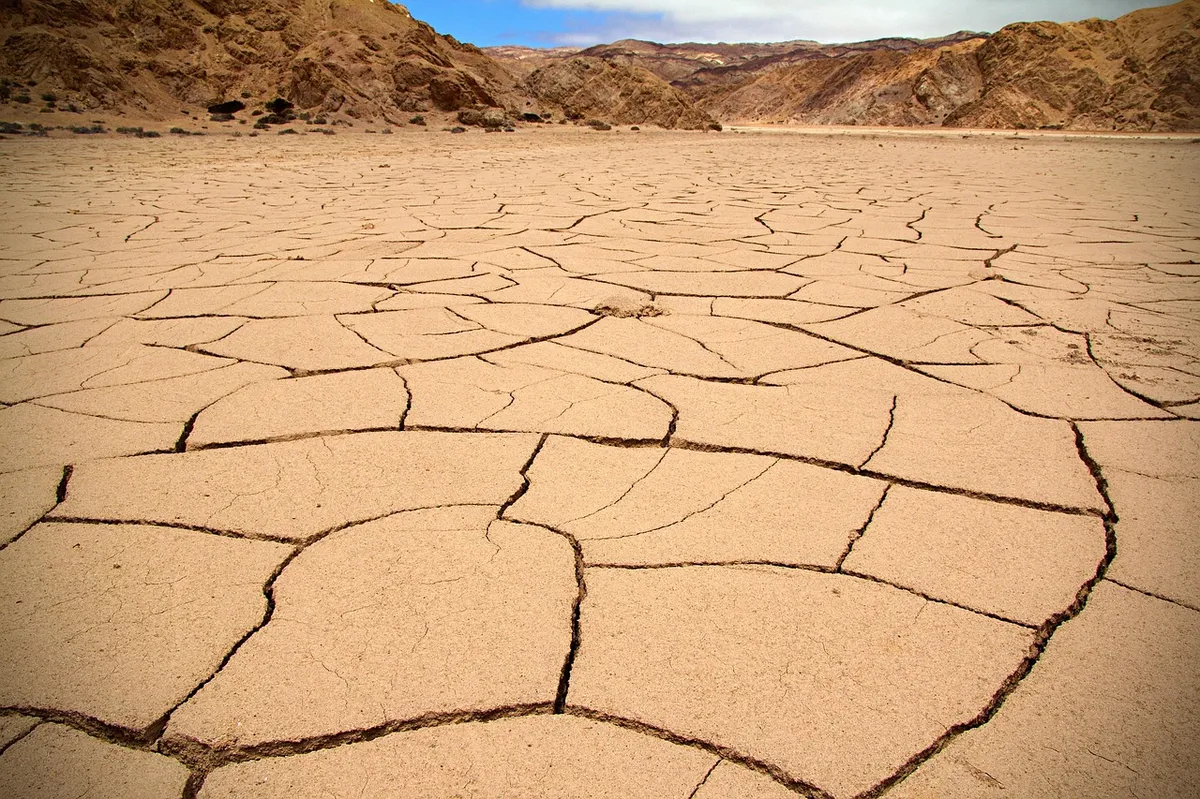
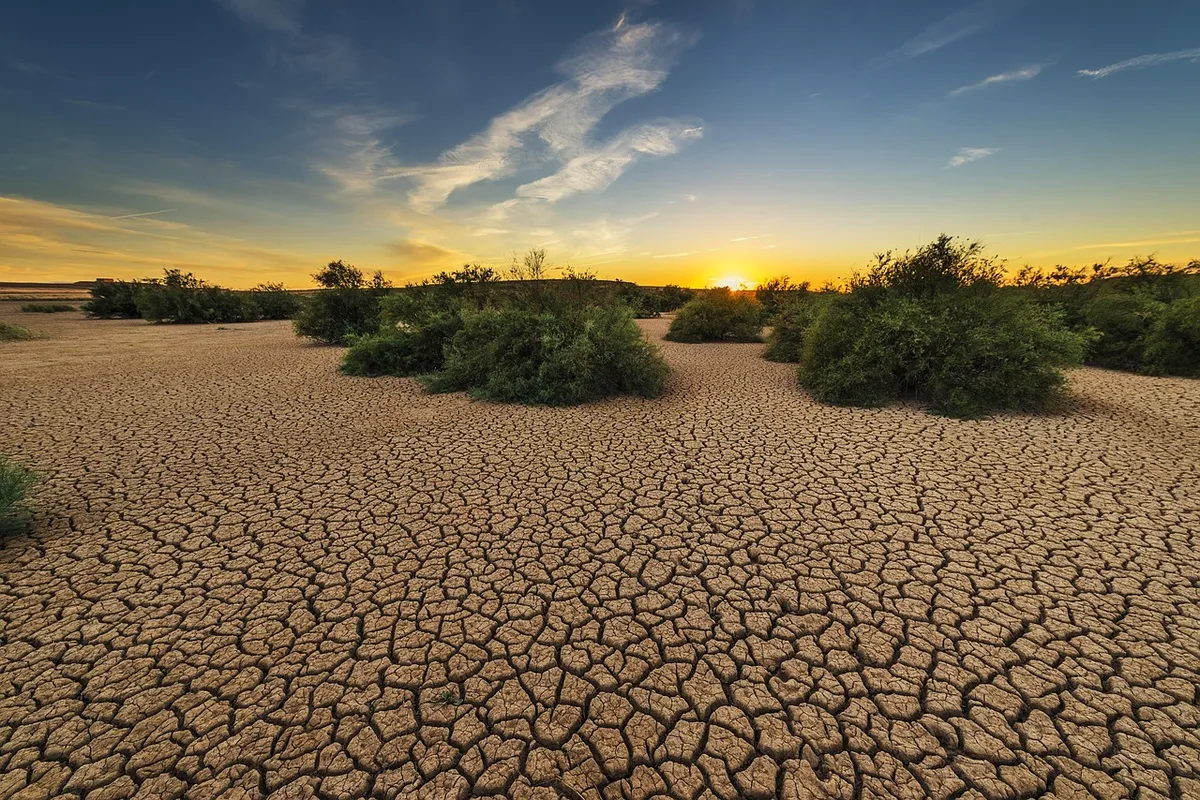
Egypt’s total greenhouse gas emissions responsible for climate change do not exceed 0.6 percent of global emissions. Yet Egypt is among the countries most vulnerable to the impacts of climate change, which, according to international studies and reports, include rising sea levels, accelerating rates of desertification, an increase in extreme weather events such as flash floods and heavy rainfall, and rising water scarcity, among others.
Several studies have confirmed that rising sea levels may expose varying areas of the Delta and Lower Egypt governorates to inundation, reaching up to a quarter of the Delta’s total area according to some of these studies. This threatens the loss of vast areas of top-tier agricultural land, thereby diminishing agricultural production and undermining food security levels, in addition to displacement. All of these are considered economic impacts of climate change in Egypt.
From this, I can say that the government has finally sensed the magnitude of the threat posed by climate change, as seen in Egypt’s Sustainable Development Strategy: Vision 2030, which addresses this phenomenon and its ramifications. Egypt also launched the National Climate Change Strategy 2050, whose objectives are:
Achieving sustainable economic growth, building resilience and adaptability to climate change by mitigating its negative impacts, improving climate action governance and management, enhancing infrastructure for climate finance, and promoting scientific research, technology transfer, knowledge management, and awareness to combat climate change while raising climate awareness among various stakeholders.
Therefore, Egypt is making significant efforts to advance the climate change file and support its bid to host the UN Climate Change Conference (COP27) to champion the interests of developing and African nations and drive adaptation measures to climate change.
References


Abdulrahman, A. O., Huisingh, D. and Hafkamp, W. (2015): Sustainability improvements in Egypt’s oil & gas industry by implementation of flare gas recovery. Journal of Cleaner Production, 98, 116-122.
ABRAHAM, E. E. (2018): A COMPARATIVE ANALYSIS OF THE LEGAL FRAMEWORK FOR THE REGULATION OF GAS FLARING IN NIGERIA AND NORWAY. University of the West of England, Bristol.
Abrol, S., Kumar, R. and Dokucu, M. T. (2018): System and method for emissions control in gas turbine systems: Google Patents.
Akeredolu, F. and Sonibare, J. (2004): A review of the usefulness of gas flares in air pollution control. Management of Environmental Quality: An International Journal.
Al-Malah, K. I. (2016): Aspen plus: Wiley Online Library.
Allen, G., Wey, R. and Chan, H. (1983): Flare gas recovery in shell Canada refineries.
Andersen, R., Assembayev, D., Bilalov, R., Duissenov, D. and Shutemov, D. (2012): Tpg 4140–Natural Gas. Trondheim, Nov.
Aniche, E. T. (2015): International Oil Corporations (IOCs), Associated Gas Utilization Technologies and Gas Flare Elimination Strategies: Implication for Zero-Gas Flaring Regime in Nigeria. Journal of Asian and African Social Sciences and Humanities, 1(1), 48-64.
API, R. (2003): 520. Sizing, Selection, and installation of Pressure-Relieving Devices in refineries. Part II–Sizing and selection.
Asai, T., Dodo, S., Akiyama, Y., Hayashi, A., Karishuku, M. and Yoshida, S. (2013). A dry low-NOx gas-turbine combustor with multiple-injection burners for hydrogen-rich syngas fuel: testing and evaluation of its performance in an IGCC pilot plant. Paper presented at the ASME Power Conference.


Latest video
تابع معنا تحليل قراءة الصحف اليومية مع الكاتب الصحفي Hany Sallam عبر