
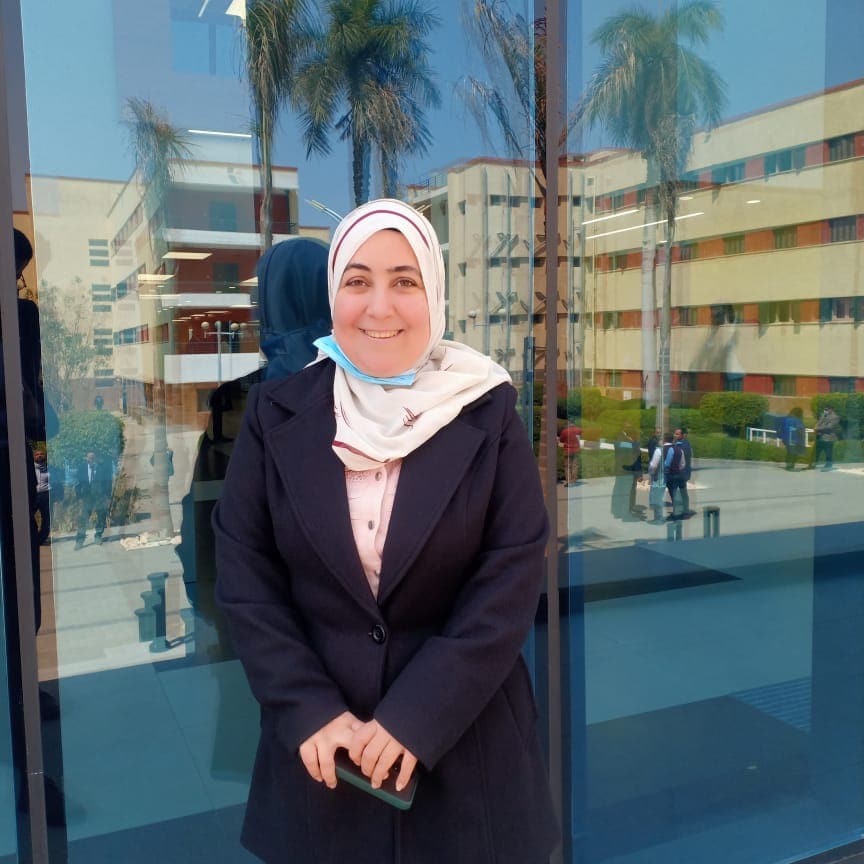

By: Prof. Dr. Lamia M. A. Radwan
Professor of Poultry Breeding, Department of Poultry Production, Faculty of Agriculture, Ain Shams University
The agricultural sector is one of the sectors that will be most negatively affected by climate change. Animal production faces a major challenge, as climate change adversely affects livestock through competition for natural resources (especially amid water scarcity), feed quantity and quality, and the damage caused by extreme heat—including reduced productivity and reproductive efficiency, lowered immunity, higher mortality rates in herds and poultry flocks, and the loss of biodiversity. This comes at a time when the demand for animal products is expected to increase by 100 percent by the middle of the 21st century. Livestock itself contributes to global warming through greenhouse gas emissions, accounting for up to 18% of total emissions. Consequently, the livestock sector plays a significant role in increasing land degradation, air and water pollution, and the reduction of biodiversity. Herein lies the major challenge facing the animal production sector, which is to maintain a balance between productivity, food security, and environmental preservation.
The Intergovernmental Panel on Climate Change projected an increase of about 1.4 to 5.8 degrees Celsius in the average surface temperature of the Earth over the course of the 21st century. The Second National Communication of the United Nations Framework Convention on Climate Change (UNFCCC) reported that “Egypt is one of the countries most vulnerable to the potential impacts and risks of climate change.” The Mediterranean region in Africa is likely to become warmer and drier. The average projected temperature increase due to global warming is 4 degrees Celsius for Cairo and 3.1 to 4.7 degrees Celsius for other regions of Egypt by 2060. In Egypt, animal production is expected to decline by 25% over the current century as a result of global climate change.

The livestock sector was initially viewed as a victim of climate change, but it is also a contributor to global greenhouse gas emissions that cause global warming, such as carbon dioxide (CO2), methane, and nitrous oxide. Methane affects global warming at a rate 28 times greater than carbon dioxide. Additionally, nitrous oxide—produced by manure storage and the use of organic and inorganic fertilizers—has the potential to increase global warming by 265 times higher than carbon dioxide. These gases intensify the greenhouse effect.
The poultry industry is characterized by a low contribution to climate change due to its low thermal and gas emissions compared to the livestock industry (cattle and buffaloes). Chickens do not emit methane and emit less phosphate and carbon dioxide than other meat-producing animals. In addition, other advantages of the poultry production industry include a fast capital turnover rate and the possibility of increasing rearing density both horizontally and vertically compared to the livestock industry (cattle and buffaloes). The poultry industry, in both its poultry meat and egg production sectors, is the most environmentally efficient animal protein production system.

References
FAO (Food and Agriculture Organization of the United Nations). 2010. The state of food and agriculture 2009: Livestock in the balance. FAO. Rome.
Attia-Ismail, S.A. Influence of climate changes on animal feed production, the problems and the suggested solutions. In Climate Change Impacts on Agriculture and Food Security in Egypt; Omran, E.E., Negm, A.M., Eds.; Springer Nature Switzerland AG: Cham, Switzerland, 2020.
Egypt Environmental Affairs Agency (EEAA). Egypt Second National Communication under the United Nations Framework Convention on Climate Change; Egypt Environmental Affairs Agency (EEAA): Cairo, Egypt, 2010.
Bouras, E.; Jarlan, L.; Khabba, S.; Er-Raki, S.; Dezetter, A.; Sghir, F.; Tramblay, Y. Assessing the impact of global climate changes on irrigated wheat yields and water requirements in a semi-arid environment of Morocco. Sci. Rep. 2019, 9, 19142. [CrossRef]
Abioja, M. O., and J. A. Abiona. 2020. Impacts of climate change to poultry production in Africa: Adaptation options or broiler chickens. In: W. Leal Filho et al. (eds), African Handbook of Climate Change Adaptation. Springer Nature
Switzerland.


Latest video
تابع معنا تحليل قراءة الصحف اليومية مع الكاتب الصحفي Hany Sallam عبر