

The Hidden Enemy in Our Atmosphere
While carbon dioxide takes center stage as the primary culprit in the climate crisis, another player remains far deadlier yet less known: methane. This colorless and odorless gas slips into our atmosphere to play a pivotal role in trapping heat within our planet, making it the second most influential greenhouse gas of all.
Where Does Methane Come From?
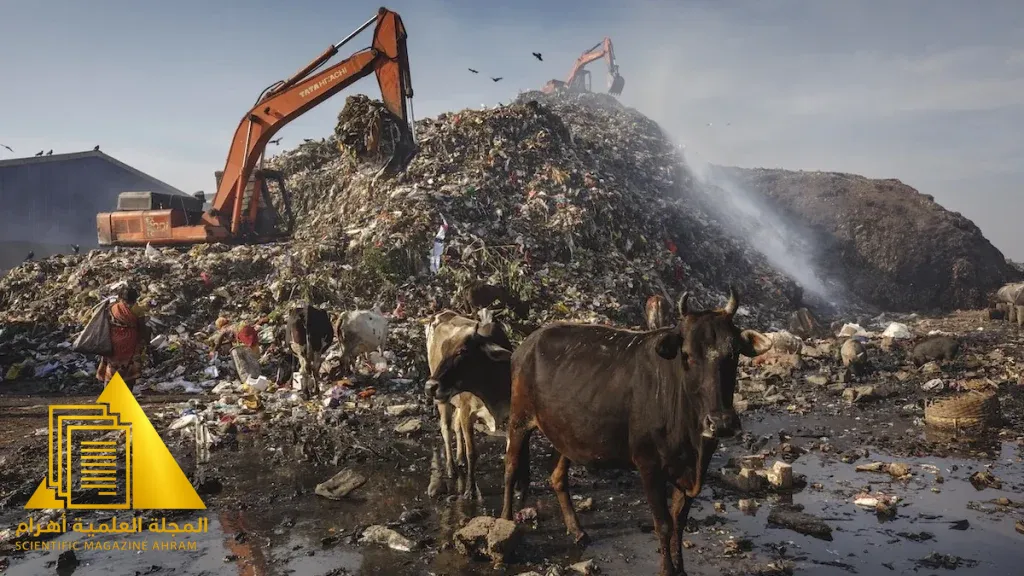
The sources of methane may seem surprisingly diverse; it is emitted naturally from wetlands and swamps as a result of decomposing organic matter. Yet the problem is exacerbated by human activity, with livestock farming contributing significantly to methane emissions through the digestive processes of cows, in addition to leaks from the oil and gas sector, and even fuel combustion in home heating appliances. The presence of this gas in our daily environment reflects a close intertwining of our daily lives with global climate change.
Why Does Methane Pose a Double Threat?
The danger of methane lies in its high capacity to trap heat; although its lifetime in the atmosphere is much shorter than that of carbon dioxide, it possesses a destructive power eighty times greater than carbon dioxide in absorbing thermal energy over the first twenty years of its emission. This means any reduction in methane emissions can lead to tangible and rapid positive results in slowing the pace of global warming.
Toward a More Sustainable Future
Our understanding of methane is not merely a purely scientific matter, but an urgent need to formulate effective environmental policies. By improving agricultural practices, curbing gas pipeline leaks, and developing emissions-monitoring technologies, we can rein in the impact of this hidden gas. The battle against climate change requires confronting all fronts, and methane is the most critical front on which we can make a real difference in a short time.
By: Hany Sallam
Source: ecowatch.com


Latest video
تابع معنا تحليل قراءة الصحف اليومية مع الكاتب الصحفي Hany Sallam عبر