

By Mohamed Al-Amin Ahmed

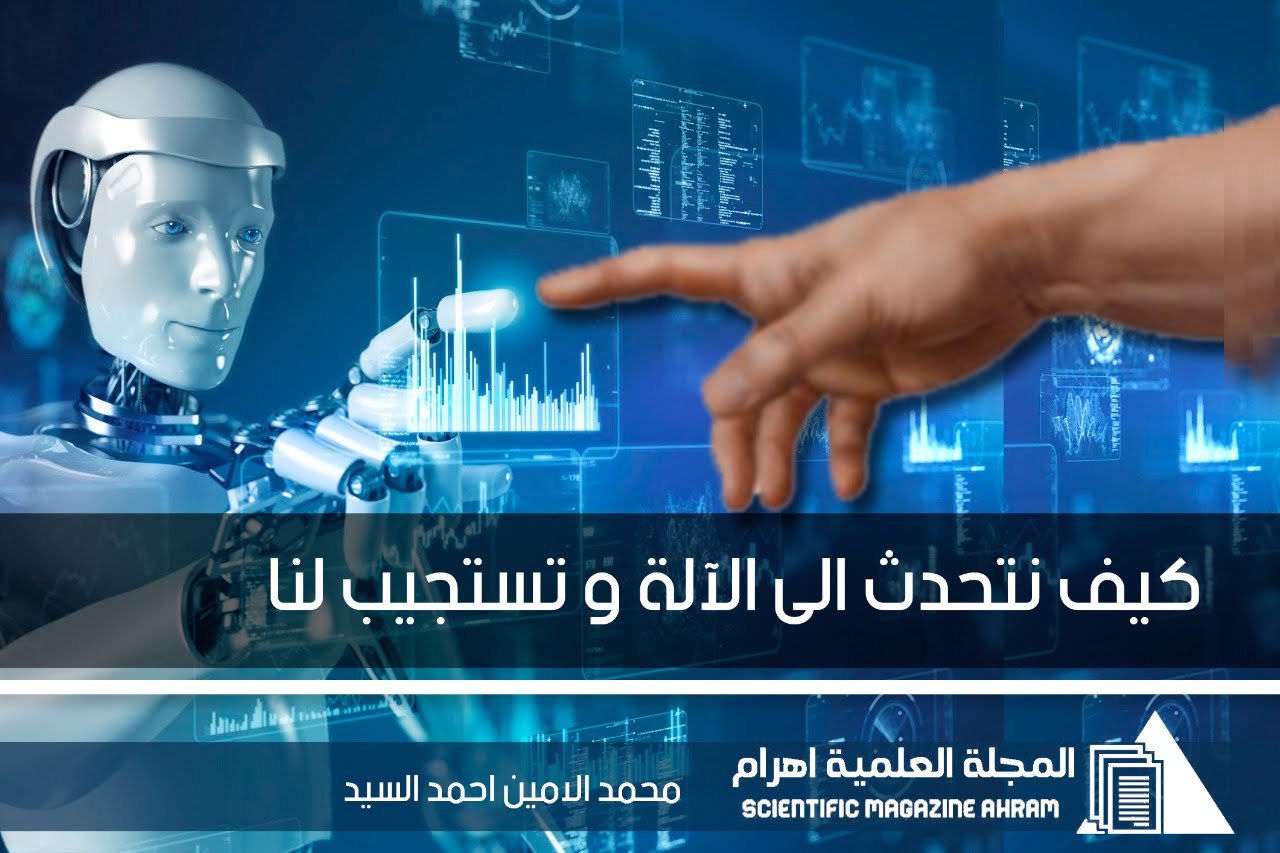
How Do We Speak to Machines, and How Do They Respond?
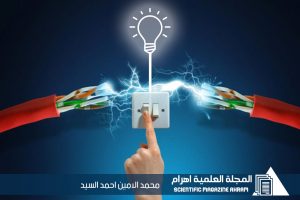
To answer this question, we need to first know what machine language is. Whether we interact with machines as programmers, manufacturers, or users, all machines and devices speak only one language to perform what they were built for: the language of electricity. For example, when we press a small button, we turn on an electric lamp, and when we press it again, we turn it off. In this case, we have held a conversation with the lamp in the language it understands (electricity). In the same way and using the same language, the most complex devices, such as computers and mobile phones, operate, and all modern programming languages were formed from this language.
Machine Language
As we mentioned, devices understand the language of electricity, which consists of two states: power or no power. These are expressed by two digits, zero and one, known as BINARY CODE. Zero means no power, and one means the presence of electricity. Through this, the machine translates various human commands. For example, when the letter A is pressed on a computer keyboard, it is translated into 01000001, and this sequence of electrical pulses travels through the computer and to the screen so that the letter you typed appears in front of you. All complex devices, systems, and modern programming languages work in this exact same way, where every command a human gives a machine is coded into sequences of zeros and ones.

Machine Translation of Human Speech
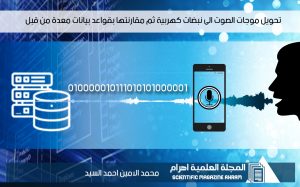
The only thing that sets devices apart from one another is their ability to process massive amounts of commands and translate them to execute those instructions. We have recently seen in smartphones how a person speaks to their phone and it executes commands accurately. This relies on the phone’s ability to convert sounds—which are simply waves—as the microphone measures these waves and turns them into electrical pulses of zeros and ones. From there, the phone compares these codes with pre-stored codes and then executes the requested command.
Machine Intelligence
When we talk about moderately complex devices like computers or mobile phones, millions of electrical pulses pass through them every second during use, and computers are capable of processing thousands of functions in a short amount of time. However, all of this is merely a mirror of human intelligence. The natural human mind is capable of analyzing far more complex data, and is capable of creativity and innovation—qualities that machines lack, no matter how advanced they become. Always remember that the largest, greatest, and most complex machines were built by the human mind.

References
Haq, Irfan Ul & Caballero, Juan. (2019). A Survey of Binary Code Similarity https://www.researchgate.net/publication/336056524_A_Survey_of_Binary_Code_Similarity
Pencho Marinov, Kiril Boyanov (2019). COMPUTERS VS HUMAN BRAIN . Institute of Information and Communication Technologies Bulgarian Academy of Sciences https://parallel.bas.bg/~pencho/EEG/Report_etap2/DN12-6_publ/DN12-6_publ_04.pdf
Blyth C. Immersive technologies and language learning. Foreign Language Annals. 2018;51:225–232. https://doi.org/10.1111/flan.12327
Ershova, N. (2020). Language of Art as Language of Utopia. Technology and Language, 1(1), 28-33. https://doi.org/10.48417/technolang.2020.01.06
Jesus N. Abaloa , Manuel L. Sentillas Jra. (2022). CAPABILITIES OF COMPUTER ALGORITHM LIKE HUMAN BRAIN UTILIZING ARTIFICIAL NEURAL NETWORKS South Asian Journal of Engineering and Technology https://sajet.in/index.php/journal/article/view/179


Latest video
تابع معنا تحليل قراءة الصحف اليومية مع الكاتب الصحفي Hany Sallam عبر