

A Hidden Danger in Our Atmosphere
While global attention focuses on carbon dioxide as the primary enemy of the climate, another gas is emerging that is no less dangerous—and may even surpass it in near-term impact: methane. This colorless and odorless gas, which surrounds us in unexpected places, has become the focus of scientists’ attention today as the second most important greenhouse gas driving global warming on Earth.
From Farms to Kitchens: Where Does Methane Hide?
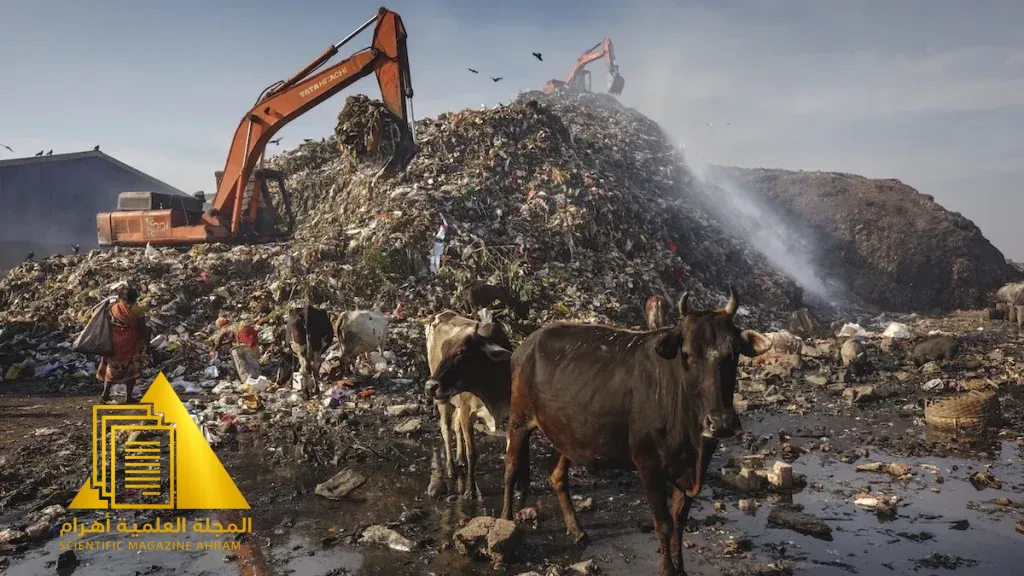
Some people might think methane is confined to large industrial facilities, but the reality is much closer to home. Methane is emitted from natural sources like wetlands and from human activities that vary in surprising ways; livestock, specifically cattle, contribute a significant share through their natural digestive processes. Nor does it stop there, as this gas also leaks from the home heating appliances we use in winter and from natural gas cookers, making it an invisible visitor that shares the details of our daily lives.
Why Does Methane Worry Scientists?
The danger of methane lies in its exceptional ability to trap heat in the atmosphere; although its lifespan in the air is shorter than that of carbon dioxide, it possesses a vastly higher “warming potential” during the first few decades after its release. This means any methane leak leads to a rapid jump in global temperatures, making the control of its emissions one of the fastest and most effective ways to cool our planet and protect the fragile climate balance.
Toward a Cleaner Future
Our understanding of methane sources is the first step to confronting it. This does not require abandoning our lifestyles, but rather shifting toward more efficient energy extraction technologies, improving waste management, and developing sustainable agricultural practices. Our battle against global warming is incomplete unless we look beyond carbon and deal seriously with this elusive gas that sneaks from farms deep into our homes.
By: Hany Sallam
Source: ecowatch.com


Latest video
تابع معنا تحليل قراءة الصحف اليومية مع الكاتب الصحفي Hany Sallam عبر