

Confrontation in the Citadel of Innovation
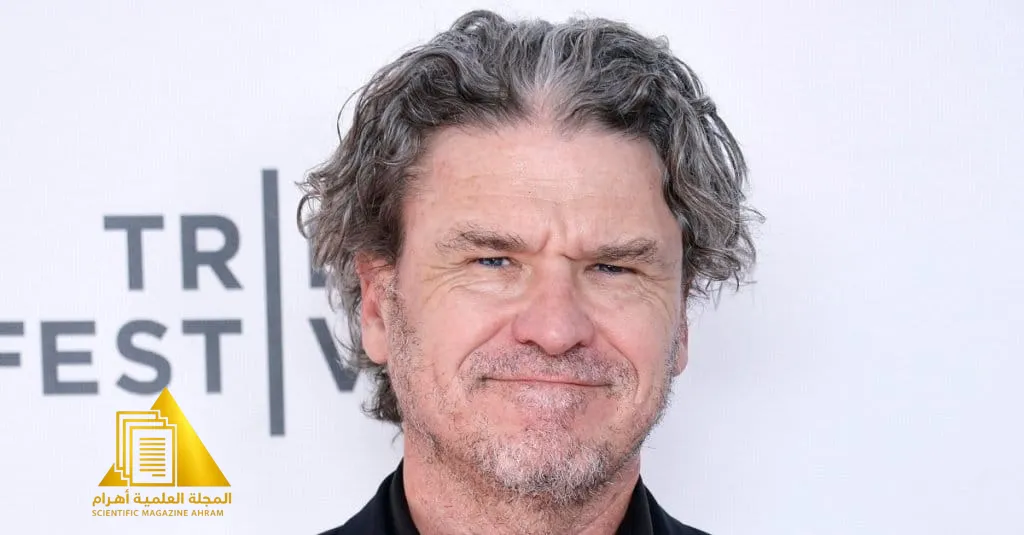
In a scene that felt like a dialogue between literary philosophy and algorithmic engineering, the OpenAI headquarters hosted an unconventional meeting between company CEO Sam Altman and international author Dave Eggers. The encounter was not merely an exchange of ideas about the future of technology; it turned into a platform for biting criticism directed by Eggers at artificial intelligence
developers, warning of the existential consequences of these technologies on human creativity.
Are We Killing the “Voice” of Generations to Come?
The core of Eggers’s concerns lies in the fact that excessive reliance on technologies like ChatGPT is not limited to accelerating writing tasks, but threatens to “silence an entire generation” of creators. The author believes that writing is not just an arrangement of words or a retrieval of information, but a process of deep thinking and unique personal experience. When we give algorithms the task of formulating our ideas, we—according to Eggers—reduce the human experience to repetitive digital patterns, which may lead to a state of creative stagnation and the erosion of the capacity for authentic personal expression.
The Creator’s Dilemma in the Age of the Machine
Eggers raised an urgent question about the value of literary work in the presence of text-generation engines capable of mimicking human patterns in seconds. For him, the danger does not lie in the supremacy of the machine, but in humanity’s surrender to technological comfort, which may lead to the atrophy of critical thinking and creative writing skills in future generations. The role of cultural and educational institutions, as he sees it, should go beyond welcoming new tools to include protecting the space dedicated to human creativity that big data cannot replace.
Conclusion: Are We at a Crossroads?
The clash between Eggers and the OpenAI team remains a symbol of a broader struggle taking place today in the corridors of thought and culture. While developers see these tools as a technological revolution that opens new horizons, writers and authors see them as a potential shackle limiting the depth of human experience. The real challenge in the coming decade is not developing smarter algorithms, but how to preserve that human spark that makes writing an art transcending computational logic.
By: Hany Sallam
Source: theverge.com


Latest video
تابع معنا تحليل قراءة الصحف اليومية مع الكاتب الصحفي Hany Sallam عبر