

A Danger Creeping In with Rising Temperatures
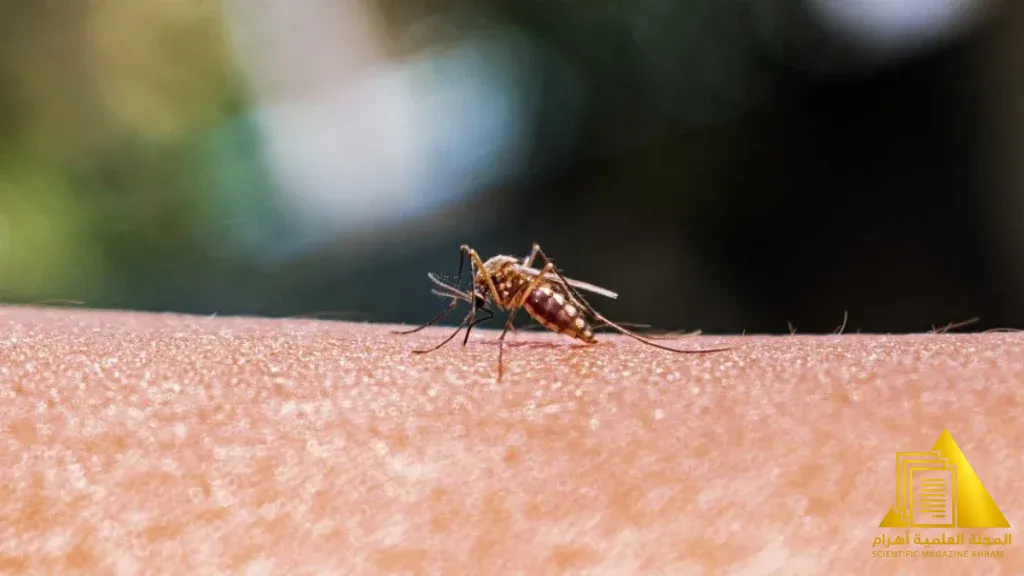
Mosquitoes are no longer just a summer nuisance; they have turned into a strategic vector for deadly diseases such as malaria, dengue fever, and the Zika virus. With climate change accelerating, the Earth is experiencing rising temperatures that pave the way for mosquito species to migrate to new geographic areas that were once unfamiliar to them. This expansion in their geographic range means that millions of people are exposed today to the risk of contracting diseases that were previously confined to tropical regions.
Mosquito Monitoring: The First Line of Defense
Given this new reality, mosquito monitoring systems stand out as an indispensable tool in the arsenal of public health officials. The strategy is not merely about fighting insects, but rather a precise intelligence operation that relies on gathering data on mosquito breeding sites, density, and the types of viruses they carry. Through these biological maps, authorities can intervene in a timely manner before an individual case turns into an epidemic outbreak that threatens community safety.
Cost and Logistics Challenges
Of course, monitoring is not an easy task; it requires intensive human efforts, advanced technologies, and massive budgets to collect and analyze samples in laboratories. Some argue that these costs may be prohibitive, but a comparison forces itself: Is the financial cost of prevention and monitoring higher, or the human and economic cost resulting from facing an epidemic that spreads at lightning speed? Investing in early warning systems
is now a necessary safety valve to protect national health systems.
Toward a Safer Future
The battle against epidemics in the age of climate change requires international and local cooperation to enhance insect monitoring capabilities. Understanding the movements of mosquitoes and adapting to their changing environment is the primary key to controlling future epidemics. As the climate changes the face of the planet, we must change our defense methods to always stay one step ahead of these disease-carrying insects, ensuring the safety of our coming generations.
By: Hany Sallam
Source: arstechnica.com


Latest video
تابع معنا تحليل قراءة الصحف اليومية مع الكاتب الصحفي Hany Sallam عبر