

Returning Rhinos to Their Habitat: A New Hope for a Lost Ecosystem
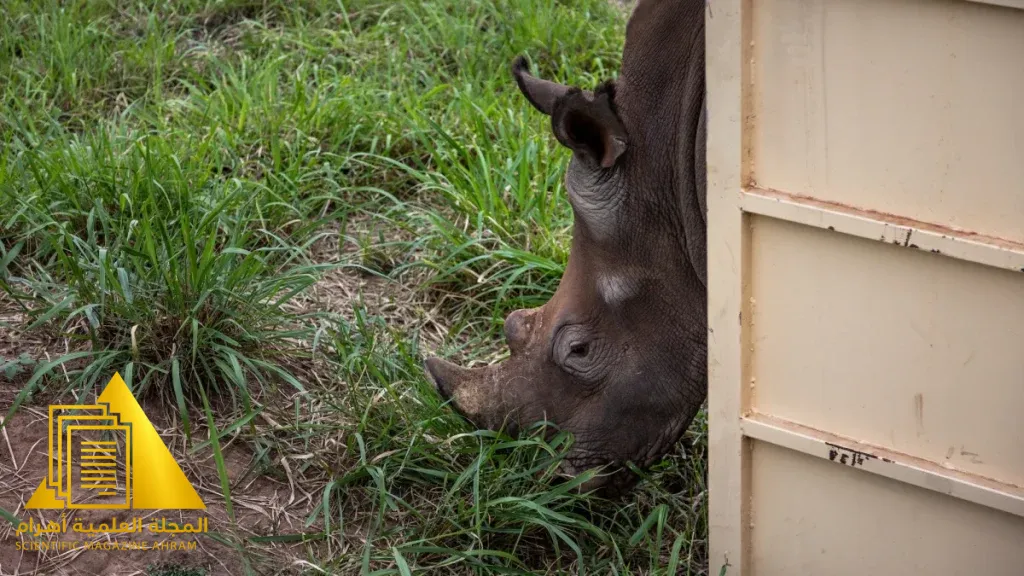
In an exceptional conservation step, Garamba National Park in the Democratic Republic of the Congo has witnessed a historic event with the translocation of 16 southern white rhinos from South Africa to their original habitat. This operation is part of a major project run by African Parks to restore ecological balance in the region, which completely lost this species decades ago.
Why Is the Rhinoceros a Vital Element?
The white rhinoceros is classified as a keystone species, a scientific term for organisms that play a pivotal role in maintaining ecosystem health. During its absence, Garamba National Park suffered a decline in plant diversity. The disappearance of rhinos led to the loss of what are known as grazing lawns, short grassland areas maintained by these massive animals through continuous grazing. These lawns not only provide food for other animals, but they also act as natural barriers that limit the spread of wildfires.
Security Challenges and Restoring Balance
The road to this achievement was not easy; the park suffered for many years from the ravages of poaching and regional unrest. Since 2005, relentless efforts have been underway to secure the park by developing environmental law enforcement strategies, training rangers, and using modern monitoring technologies. These efforts have led to a noticeable drop in poaching rates, making the environment today safer to welcome these unique creatures.
Translocation Strategy: High Precision to Ensure Survival
Moving massive animals across vast distances is a major logistical and scientific challenge. A team of specialized veterinarians monitored the health condition of each animal during the trip, taking careful measures to minimize stress levels. Upon arrival, the animals undergo an adaptation period inside special bomas under close monitoring, along with intensive nutritional care, before being fully released into the park. There, they will be tracked via precise transmitters to ensure their safety.
Looking Toward the Future
The mission does not stop at just the translocation; the organization aspires to build a stable and viable population. The success of this experiment will be measured by the ability of these animals to breed in their new environment, paving the way to restore the ecological pyramid in Garamba and turn it once again into a safe haven for African wildlife.
By: Hany Sallam
Source: africanparks.org


Latest video
تابع معنا تحليل قراءة الصحف اليومية مع الكاتب الصحفي Hany Sallam عبر