

Neural Chip to Manage Brain Disorders
Reporting by Mohamed El Amin Ahmed – Programmer and Graphic Designer
Researchers have combined low-power chip design, machine learning algorithms, and soft implantable electrodes to produce a neural interface that can identify and suppress the symptoms of various neurological disorders.
Mahsa Shoaran from the Integrated Neurotechnologies Laboratory in the School of Engineering collaborated with Stéphanie Lacour at the Laboratory for Soft Bioelectronic Interfaces to develop NeuralTree: a closed-loop neuromodulation system on a chip that can detect disease symptoms and alleviate their severity.

Shoaran says, “NeuralTree takes advantage of [this]. It is the first time we have been able to integrate such a complex and energy-efficient neural interface for binary classification tasks, such as detecting seizures or tremors, as well as multi-class tasks like finger movement classification for neuroprosthetic applications.”

Their findings were presented at the 2022 IEEE International Solid-State Circuits Conference and published in the IEEE Journal of Solid-State Circuits, the flagship journal for the integrated circuits community.
In addition to these advantages, the system can detect a broader range of symptoms compared to other devices, which have so far focused mainly on detecting epileptic seizures.
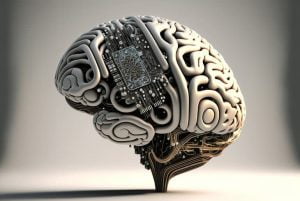
The chip’s machine learning algorithm was trained on datasets from epilepsy and Parkinson’s disease patients, and accurately classified pre-recorded neural signals from both categories.
Source:
Science Daily
https://www.sciencedaily.com/releases/2023/01/230130103022.htm


Latest video
تابع معنا تحليل قراءة الصحف اليومية مع الكاتب الصحفي Hany Sallam عبر