
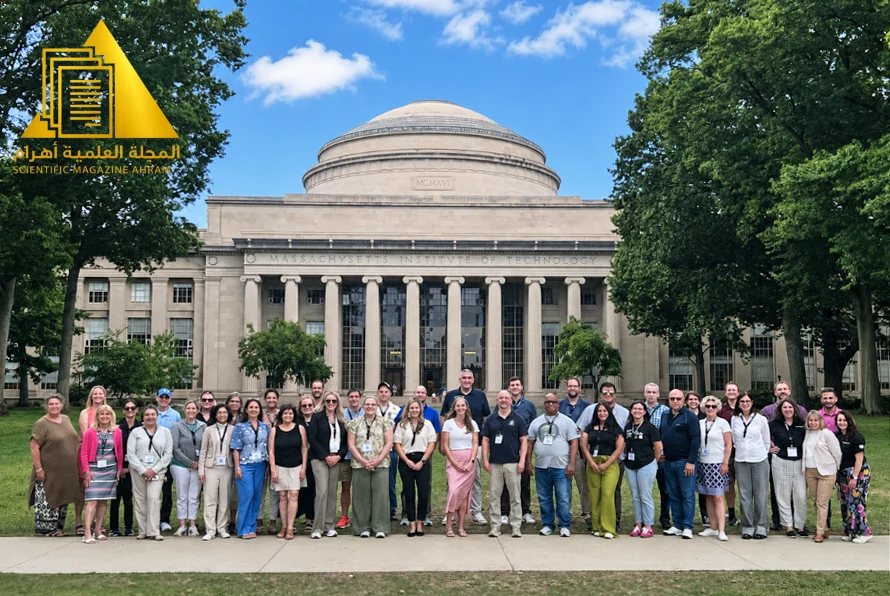

A Revolution in the Classrooms
Educational systems around the world constantly seek ways to capture students’ attention and develop their mental abilities away from traditional rote memorization. In this context, an ambitious educational initiative was recently launched across three US states—California, Tennessee, and New England—aiming to create a qualitative shift in how science, technology, engineering, and math, known collectively as STEM, are taught.
Learning Through Practice and Innovation
The new initiative, led by the Lemelson-MIT Program, is grounded in the philosophy of learning by doing. It is not limited to memorizing equations and scientific theories, but extends to giving students from kindergarten through university a real opportunity to design and build things themselves. This hands-on approach helps younger generations turn abstract ideas into concrete solutions for real-world problems facing their communities.
Building a Young Inventor Mindset
The initiative aims to integrate entrepreneurship and innovation skills into the core of daily curricula. When students learn to think like inventors from an early age, they develop the mental resilience and self-confidence that prepare them to face future professional and scientific challenges. Empowering students to experiment and make mistakes within a supportive school environment is a real investment in the future of the knowledge-based economy.
New Horizons for Arab and Global Education
This pioneering experiment opens the door for various educational systems to rethink their teaching philosophies. Moving from rote learning to innovative education is no longer a luxury, but an urgent necessity to prepare a generation capable of competing and innovating in a rapidly changing world.
By: Hany Sallam
Source: MIT News


Latest video
تابع معنا تحليل قراءة الصحف اليومية مع الكاتب الصحفي Hany Sallam عبر