

A Stunning Light Show Adorns Africa’s Skies
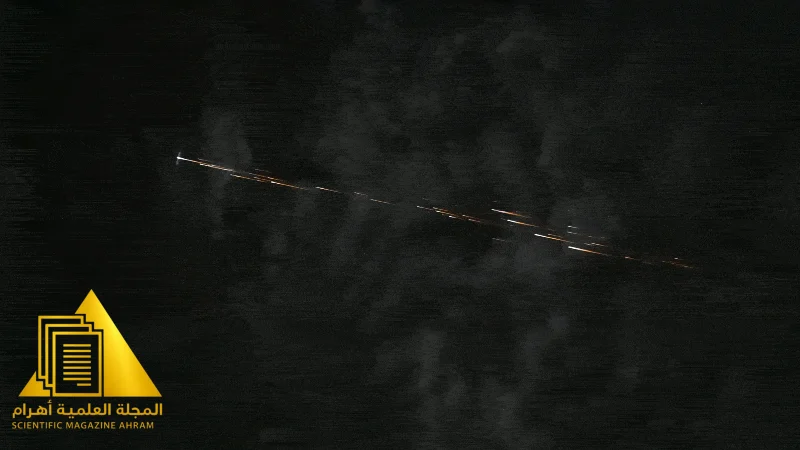
The skies over Africa recently witnessed an exceptional celestial display that captured the attention of the International Space Station crew. This phenomenon, which appeared as a brilliant fireball tearing through the darkness of night, was not a passing natural meteor, but rather a unique event meticulously documented by an American astronaut from a high altitude, transforming space into a stage for a dazzling light show.
What Is the Truth Behind the Mysterious Fireball?
As scientists delved into analyzing the images captured by the lenses of the International Space Station, it became clear that what looked like a destructive ball of fire was actually the final moments in the lifespan of a Russian space rocket. This rocket, having completed its mission and reached the end of its projected life, was on a swift return journey toward Earth, meeting its inevitable fate of total disintegration.
The Final Journey in the Upper Atmosphere
When human-made objects enter Earth’s atmosphere at immense speed, they encounter violent friction with air molecules. This friction generates intense heat soaring to thousands of degrees Celsius, which leads to the vaporization and burning of most of the rocket’s components in the upper atmosphere, leaving behind this stunning glow scientifically known as a fireball.
Space Debris: Breathtaking Beauty and Hidden Danger
This incident sheds light on an urgent issue, namely the space debris that now fills our planet’s orbits. Although the combustion sights appear picturesque and fascinating to observers from space, they serve as a vivid reminder of the major challenges facing space agencies in the safe disposal of remnants from silos and completed space missions, to protect planet Earth and the future of space exploration.
By: Hany Sallam
Source: livescience.com


Latest video
تابع معنا تحليل قراءة الصحف اليومية مع الكاتب الصحفي Hany Sallam عبر