

Novel Coronavirus
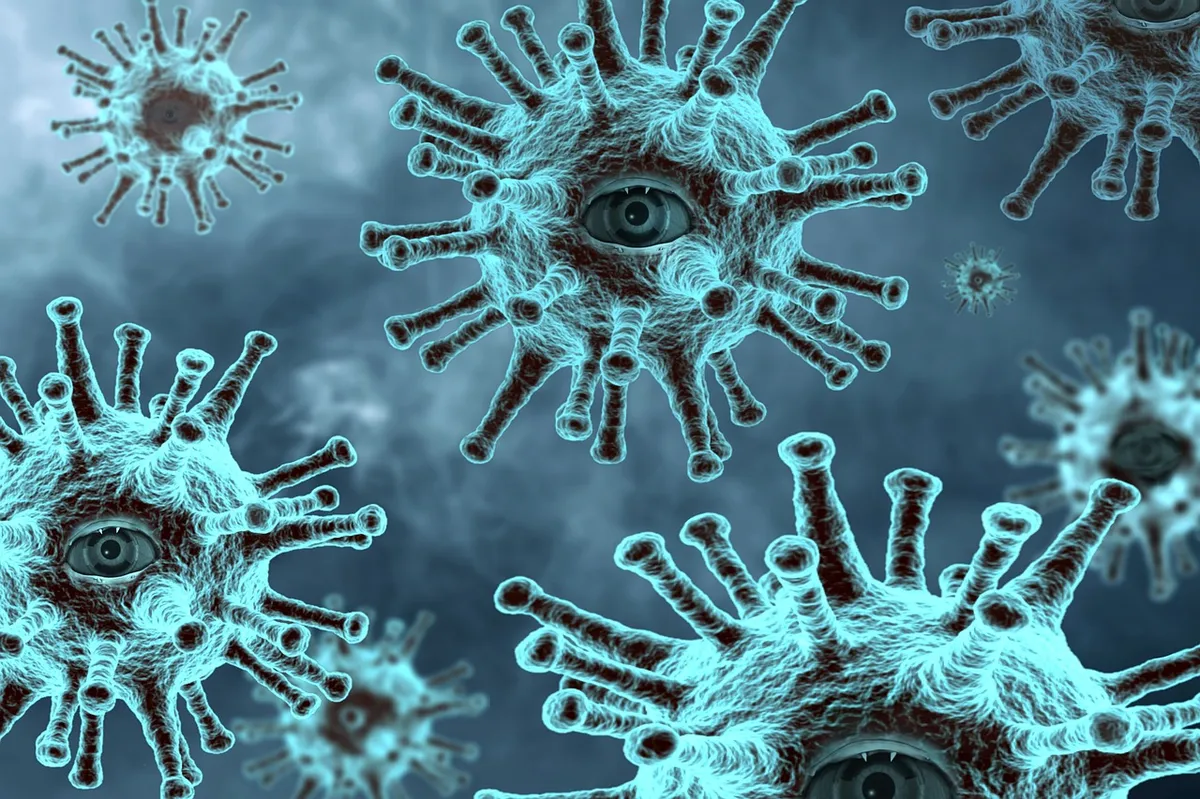
Recently, in December 2019, a new member of the coronavirus family emerged in Wuhan, in the People’s Republic of China.
This emergence was followed by panic and anxiety, particularly after individual cases began appearing in many countries neighboring China, and this panic intensified as new cases started appearing even in distant countries.
Believing in the importance of knowledge and scientific truth for the reader—so we do not fall prey to the fabrications and rumors circulated by some about this virus—we will cover all details concerning it in the form of common questions we ask ourselves, along with scientific answers without any addition or omission, because scientific facts are based fundamentally on accuracy and credibility.
Q1: What is a coronavirus?
A1: A coronavirus is a massive family containing a huge number of viruses; some are found in humans and others in animals. Symptoms associated with coronaviruses vary according to the specific strain, presenting in three degrees based on the strength and virulence of the virus:
– Type one: Ranges from simple symptoms that are no more than a cold or flu.
– Type two: May escalate to more virulent symptoms, such as Middle East respiratory syndrome.
Coronavirus MERS ( Middle East Respiratory Syndrome )
– Type three: May reach the most lethal type, appearing as severe, acute respiratory symptoms.
Coronavirus SARS ( Severe Acute Respiratory Syndrome )
Q2: What is the novel coronavirus?
A2: The novel coronavirus is the newest member of the coronavirus family, and was unknown to humans until it emerged and swept through Wuhan, China, in December 2019.
Q3: Is the novel coronavirus similar to SARS or MERS?
A3: The novel coronavirus may belong to the same family as SARS and MERS because it causes similar symptoms, but it is an entirely new member distinct from SARS and MERS.
Q4: How dangerous is the novel coronavirus?
A4: Symptoms vary depending on the strength of the infected person’s immune system. Infection may begin with mild respiratory symptoms in the form of a runny nose, sore throat, cough, elevated body temperature, and possibly fever, and may progress to more serious symptoms represented by pneumonia and difficulty breathing, but so far the novel coronavirus has a low mortality rate.
Q5: Can novel coronavirus infection be transmitted from animals to humans?
A5: Previously, it was common for members of the coronavirus family to transmit from animals to humans, with the two most famous examples being:
– SARS coronavirus, which transmitted from a type of wildcat to humans, and this occurred in China.
– MERS coronavirus, which transmitted from Arabian camels to humans, and this occurred in Saudi Arabia.
However, in the case of the novel coronavirus, its presence in animals has not been proven yet. This does not clear animals of the possibility of being carriers of the novel coronavirus, and therefore we should exercise caution regarding them as much as possible, stop eating raw food, and avoid using their uncooked products.
Q6: Can someone contract the novel coronavirus from pets?
A6: As mentioned previously, no cases have been recorded indicating the transmission of the novel coronavirus from animals to humans, nor has it been proven scientifically that they are infected or carriers of this virus.
Q7: Can the novel coronavirus be transmitted from one human to another?
A7: Yes. The novel coronavirus spreads from an infected person to a healthy individual through direct contact and exposure to secretions from the infected person, including sneezes, coughs, and nasal and oral droplets. Infection in a healthy person presents as respiratory signs such as a runny nose, cough, and sneezing. The likelihood of infection may increase in crowded places such as work wards, hospitals, subway and train stations, and elevators.


Q8: What steps should be followed to prevent the novel coronavirus?
A8: We can easily take simple precautions that may protect us from the risk of infection. The positive aspect is that the novel coronavirus is a very weak virus that can be eliminated with the simplest steps. We will list the key health steps required to prevent the risk of infection with the novel coronavirus:
– Wash hands frequently with soap and water, or use hand sanitizing gel regularly throughout the day.
– When coughing or sneezing, place a tissue over your face to prevent droplets from spreading to people around you, and dispose of the tissue in a covered trash can.
– When people around us cough or sneeze, we should place a tissue over our faces to avoid exposure to their droplets.
– Stay at least 1 meter (3 feet) away from anyone showing signs of a respiratory infection, such as sneezing, coughing, or respiratory secretions. This is considered the minimum allowed distance when approaching those suspected of having the novel coronavirus.
– If certain symptoms begin to appear, including a high temperature, sneezing, coughing, respiratory secretions, or shortness of breath, we need to visit the nearest medical center early to take the necessary precautions.
– Stay away from live animal markets as much as possible.
– Avoid raw or uncooked animal products.
– Wear nose masks while we are in crowded places, such as work wards, hospitals, subway and train stations, and elevators.
Q9: Who is most at risk of contracting the novel coronavirus?
A9: We may find many people are more at risk of contracting the novel coronavirus than others:
– Those in outbreak hotspots where novel coronavirus infections have appeared.
– Workers in crowded, poorly ventilated areas.
– People with low immunity and older adults.
– Patients with chronic diseases such as diabetes or heart disease.
– Those who take few health precautions and use other people’s tools without cleaning or sterilizing them.
Q10: How long does the novel coronavirus remain viable outside a living organism?
A10: Until now, no exact time has been determined for the novel coronavirus to remain viable outside a living organism on surrounding surfaces. However, preliminary research has shown its inability to survive for long periods, limiting it to a few hours. Therefore, it is necessary to use disinfectants periodically throughout the day.

Q11: What is the difference between contracting the novel coronavirus, a cold, a mild cold, and seasonal influenza?
A11: The symptoms are largely similar—all of them present with an elevated body temperature followed by symptoms such as a cough, sneezing, and increased eye and nasal secretions. Therefore, laboratory testing remains the deciding factor in determining whether these symptoms are caused by the novel coronavirus rather than other pathogens.
Q12: What is the incubation period of the novel coronavirus?
A12: The incubation period: This is the time between the virus entering the body and the appearance of symptoms.
– Research has shown that the incubation period of the novel coronavirus extends to a maximum of two weeks (14 days).
Q13: Is it safe to receive packages sent from China?
A13: There is no danger whatsoever in receiving packages or products sent from China. The reason, as we mentioned earlier, is the inability of the novel coronavirus to remain viable outside the human body for more than a few hours.
Q14: Do antibiotics play a role in reducing novel coronavirus infection?
A14: All of us know very well that antibiotics have no effect against the novel coronavirus. However, they play an important role in preventing secondary bacterial infections that follow infection with the virus.
Q15: Are there any drugs to treat or prevent novel coronavirus infection?
A15: There is no specialized treatment for the novel coronavirus so far. However, it is possible to take precautionary measures to reduce the risk of infection, as mentioned previously, along with other precautions that help reduce infection:
– Taking vitamin C, as it strengthens the immune system.
– Drinking warm herbal beverages.
– Continuously wearing a medical mask.
The article has covered all the questions on our minds—and we ask God for pardon and wellness for me and you.
Dr. Helaly Abdel Rahman Mohamed



Latest video
تابع معنا تحليل قراءة الصحف اليومية مع الكاتب الصحفي Hany Sallam عبر