
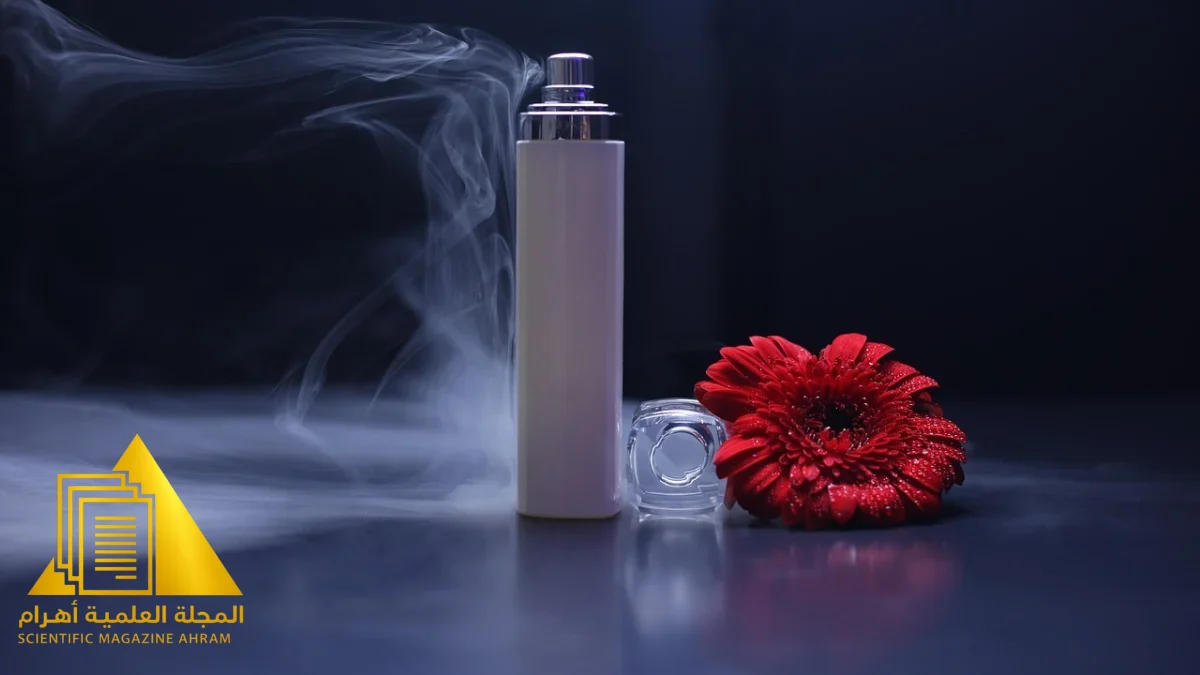

The Perfume Mystery: Why Do Fragrances Smell Different on Everyone?
How many times have you liked the scent of a particular perfume when trying it on a paper strip in a store, only to be surprised that it smells completely different when you spray it on your skin? This familiar experience is not a matter of imagination, but rather the result of a precise scientific interaction between a perfume’s ingredients and human biology.
Skin Chemistry: Your Unique Scent Fingerprint
The secret behind this difference lies in what is known as skin chemistry. When a perfume touches your skin, it does not settle on a static surface; instead, it interacts with biological skin secretions such as sweat and natural oils (sebum). The proportions and unique composition of these secretions vary from person to person, causing the perfume to oxidize and evolve in entirely distinct ways, as if each individual has a personal scent fingerprint.
The Role of Pores and Body Temperature in Scent Longevity
Body temperature and pore size play a vital role in how a fragrance diffuses and lasts. Body temperature acts as a natural engine that accelerates the evaporation and dispersal of fragrance molecules into the air. People with warm skin or active pores often notice that perfumes project more strongly and quickly, but the scent may also fade faster for them compared to those with cool, dry skin.
pH Levels and Their Effect on the Heart of the Fragrance
Alongside temperature and pores, the skin’s pH level (acidity) is an essential factor. Skin with different acidity levels alters the stability of a perfume’s chemical components, making floral notes smell more acidic or woody notes become warmer. In short, perfume is not merely a static liquid, but a living interaction that tells a unique story with every skin it touches.
By: Hany Sallam
Source: phys.org


Latest video
تابع معنا تحليل قراءة الصحف اليومية مع الكاتب الصحفي Hany Sallam عبر