

A New Strategy for Preserving Our Planet
Amid the rapid challenges facing biodiversity on Earth, a fundamental question emerges: How can we protect the largest possible number of living creatures with limited resources?
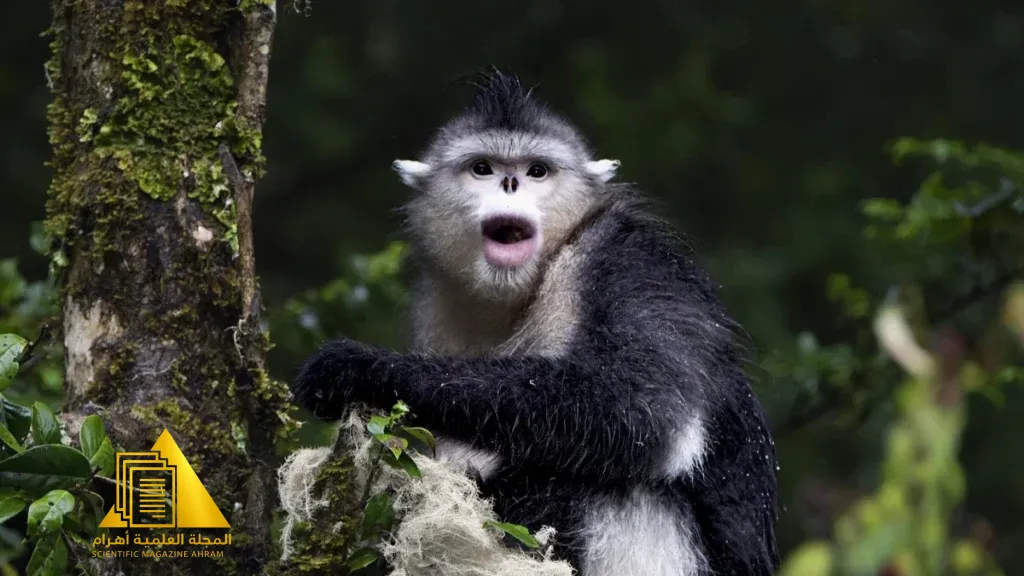
A recent scientific study indicates that the solution may lie in focusing on primates (such as monkeys and apes) as “umbrella species”—a strategy meaning that providing protection for the habitats of these creatures will automatically protect thousands of other plant and animal species that share the same living space.
Moving Beyond Traditional Conservation Symbols
Environmental organizations have long directed
their efforts and massive budgets toward specific animals that enjoy great popularity, such as tigers and giant pandas, as symbols of nature conservation. Despite the importance of these efforts, new research confirms that choosing primates as a core target gives us more effective results. Primates are distributed across vital, highly diverse regions, and when we protect their forests and living areas, we provide an ecological “umbrella” that protects a vast diversity of microorganisms, birds, and insects living within those same ecosystems.
Why Are Primates a Strategic Choice?
Primates play a vital role in forest balance
in the tropics, playing an essential part in seed dispersal and vegetation regeneration. Since they rely on vast and diverse areas of forest, preserving their habitats ensures the continuity of ecosystem services as a whole. Shifting toward this approach means we will not just protect a single organism, but will protect the entire “web of life” that these creatures depend on for survival.
Toward a More Sustainable Environmental Vision
The recommendations concluded by this study call on decision-makers and international organizations to redirect conservation strategies. Protecting attractive species is no longer the sole focus, but has become a scientific necessity to ensure the sustainability of ecosystems in the face of climate change and urban expansion. Protecting primates is not merely an interest in these animals for their own sake, but is a smart and direct investment in the future of global biodiversity, and a guarantee for the survival of a planet rich in life for generations to come.
By: Hany Sallam
Source: news.mongabay.com


Latest video
تابع معنا تحليل قراءة الصحف اليومية مع الكاتب الصحفي Hany Sallam عبر