
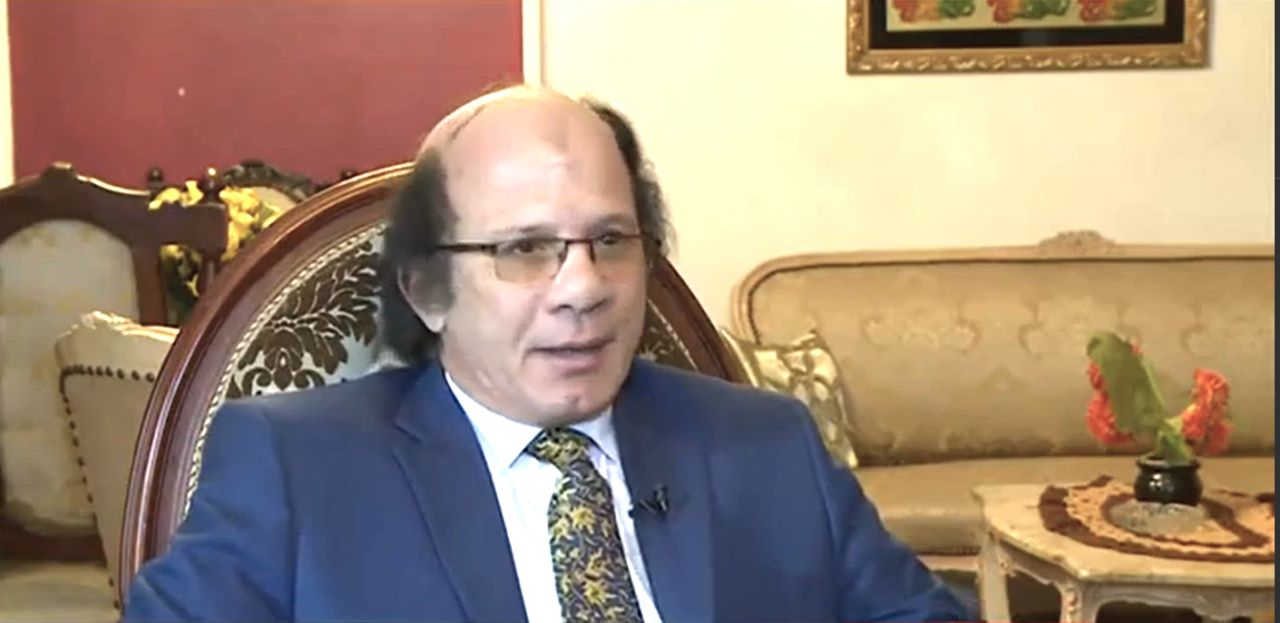

Let us speak frankly and transparently so that we can diagnose our educational problems, spark a genuine social movement, and escape the crisis facing the Egyptian family. With these words, Dr. Mohamed Abdel Aziz, professor of science and education at Ain Shams University, began his remarks.
The educational situation in Egypt is in a critical state and suffers from numerous problems due to the lack of a real plan rooted in reality. Setting aside the listing of pros and cons, we need to diagnose the actual situation so that appropriate solutions can be proposed. The education crisis stems from educational decisions that fail to reflect reality and the challenges we face, rather than escaping from them or proposing mismatched remedies. The problem of classroom overcrowding, which continues to be an obstacle, remains unsolved because of these very decisions that we hear about every year regarding the need for schools and classrooms that the state budget cannot bear. This requires looking at the education system through a new framework that society believes in, so that society can be engaged in solving the problem fundamentally and effectively. The ministry views curricula through a narrow lens centered on the textbook. Despite the many and successive changes the textbook has undergone over decades, its content remains an obstacle, and its mismatch with age groups persists—just as happened with the fourth-grade books, which remain a hurdle, as evidenced by parents seeking to buy external books right in front of the ministry, which is concrete proof of the textbook’s failure. Add to this the flawed concept of training: training needs to focus on the scientific framework of the book and the mechanics of teaching it, and it needs to last long enough to enable teachers to manage curriculum topics properly, alongside reviewing and revising book standards and technical and scientific treatments, and holding exams for teachers in light of a genuine training system, rather than the current practice. Thus, the books and the training system need to be reconsidered. Furthermore, educational facilities suffer from many problems, which became clearly apparent at the start of the school year when many parents refrained from sending their children to school, making the school unappealing and filled with stress, as evidenced by the incidents of violence recorded since the beginning of the term. The tragic condition of the school, with its dilapidated buildings and rising overcrowding, grows worse day by day. Added to this is the massive shortage in teacher numbers, which has caused an increase in private tutoring centers with all their attendant problems—centers that are available only to the affluent amid a crushing economic crisis, leaving those who cannot afford them with no solution for their education, which portends a future societal danger from the emergence of uneducated segments of society, not to mention the loss of the concept of upbringing and its mechanisms. The problems have even extended to official and select official schools, which were originally established to counter the high cost of private education, leaving them empty of students except for some primary-age children. Although periodic circulars and decisions have been issued regarding punishing students who are absent from school and bringing back student activities under the new minister, they have not achieved any resonance or change because they are disconnected from reality and have failed to establish practical measures to solve educational problems. Ultimately, the vision and philosophy of education—encompassing teacher, buildings, books, school, student, and evaluation—need to be changed in light of Egyptian standards formulated for the current and future stage, and in light of binding protocols signed, while establishing procedures and indicators to predict outcomes with complete transparency and ensuring society is engaged through clear standards and procedures. Only then will the problem of tutoring centers and external books end, and the school resume its true role in education and upbringing.


Latest video
تابع معنا تحليل قراءة الصحف اليومية مع الكاتب الصحفي Hany Sallam عبر