
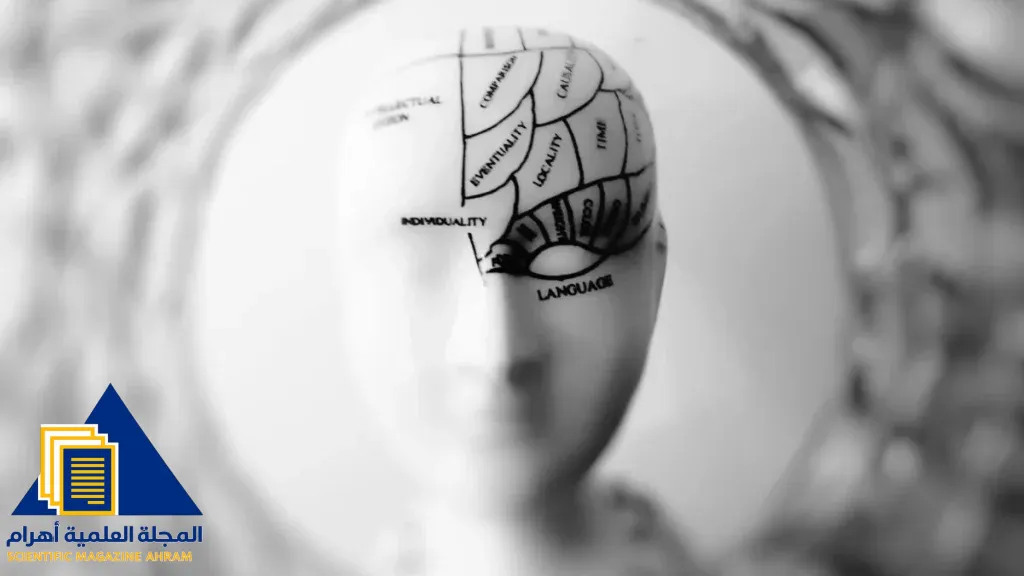

Rewriting the Biological History of the Brain
For centuries, scientists have long considered the human brain to be a harmonious biological unit functioning as a single, connected organ. However, a recent study by researchers at Stanford University has turned these concepts upside down, revealing that what we know as the “brain” is not actually a single organ, but rather a combination of two entirely separate organs, each with its own evolutionary pathway and unique history.
Two Systems in One Entity
The new findings indicate that the human brain
consists of two distinct systems that evolved independently over hundreds of millions of years. This discovery not only changes our understanding of neuroanatomy, but also explains how humans managed to develop complex cognitive functions by integrating neural systems that originally operated as separate entities. This separation opens the door to a new perspective on how these parts communicate and coordinate to produce human consciousness and behavior.
New Horizons in Neuroscience
The discovery that the brain is dual in nature changes the rules of the game in studying neurological and psychiatric disorders. If the brain functions as two distinct organs, the disorders affecting one system may be radically different from those affecting the other, paving the way for more precise treatments that do not target the brain as a monolithic mass, but rather treat its components as unique functional systems.
Beyond Human Evolution
This study lays the foundational building block for understanding the evolution of the nervous system from a previously unproposed perspective. Understanding the evolutionary gap between these two organs may reveal secrets about human intelligence, how it processes information, and even the reasons why certain brain functions are more prone to failure or evolution than others. Today, we stand at the beginning of a new era in understanding the self, as the brain emerges as a biological machine far more complex and pluralistic than any scientist previously imagined.
By: Hany Sallam
Source: medicalxpress.com


Latest video
تابع معنا تحليل قراءة الصحف اليومية مع الكاتب الصحفي Hany Sallam عبر