

The New Space Race: Is Russia Reshaping the Rules of the Game?
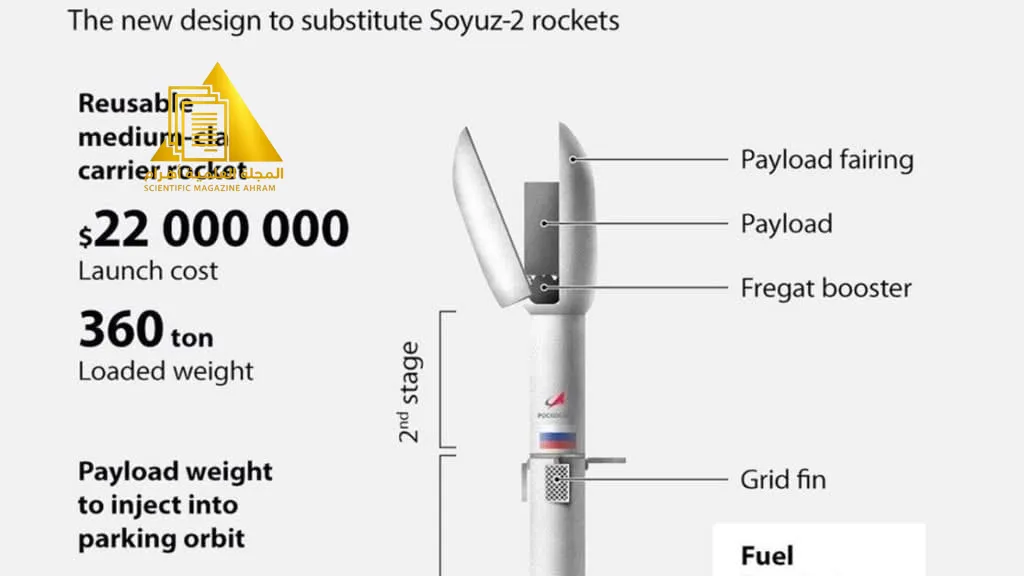
In the world of space technology, SpaceX sparked a true revolution with its famous Falcon 9 rocket, which broke the mold by becoming the first partially reusable rocket, driving down the cost of reaching orbit to unprecedented levels. Today, Russia, with its storied space heritage, appears determined to catch up through an ambitious project aimed at building a genuine competitor to break the dominance of the US private sector over this vital technology.
The Russian Challenge: Beyond the Reusable Rocket
The Russian space agency plans to develop a rocket relying on vertical takeoff and landing technology—the very engineering that made the Falcon 9 an engineering icon. The Russian project does not merely aim to mimic American success, but seeks to provide a technical solution suited to Russia’s specific launch requirements, with a focus on economic efficiency in a world where commercial competition is escalating fiercely.
The 2028 Wager: Is It the Decisive Date?
According to the announced timeline, initial tests—resembling the Grasshopper tests conducted by SpaceX in its early days—are expected to begin by 2028. These tests will be a critical moment, as the ability of Russian engines to land safely and be reused will be evaluated, which is the toughest engineering challenge
in modern space manufacturing. Success in this test will mean that Russia remains capable of innovating in the space race, while the project may face funding and technical obstacles if past delays repeat themselves.
The Future of the Space Industry
Russia’s entry as a player in the reusable rocket market is not merely a matter of technological pride; it is a strategic necessity to maintain its share of the satellite launch market. As the world moves toward a space economy, experts are watching this Russian step with keen interest. Either we will witness the birth of a real competitor that shifts the balance of power, or the project will remain merely an ambition colliding with the stern reality of technology and finance. The coming days, specifically as 2028 approaches, will reveal whether Russia will succeed in turning its dreams into a reality soaring in Earth’s orbits.
By: Hany Sallam
Source: arstechnica.com


Latest video
تابع معنا تحليل قراءة الصحف اليومية مع الكاتب الصحفي Hany Sallam عبر