
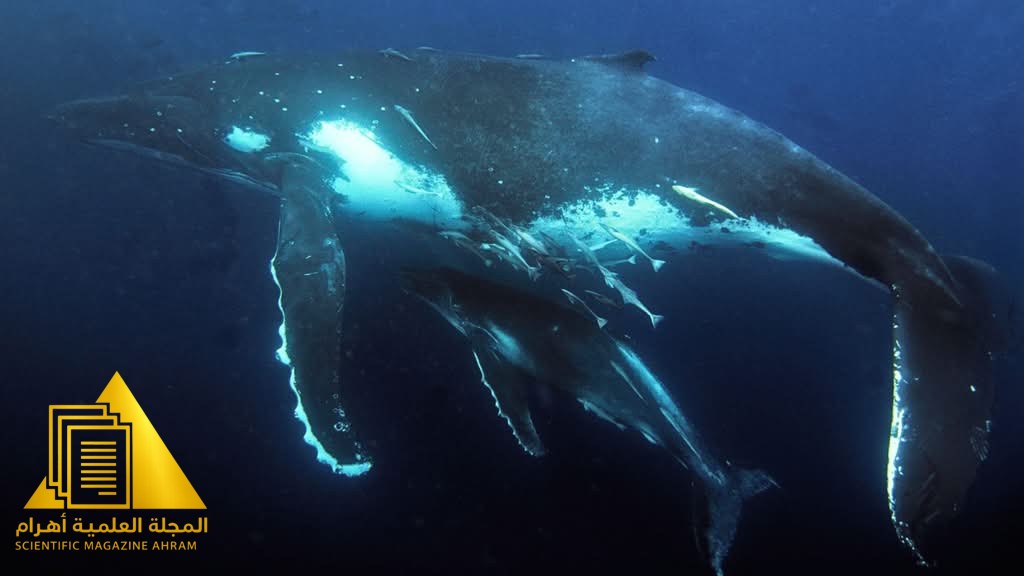

Mysterious Behavior Reveals Ocean Secrets
Humpback whales off the coast of Australia have long puzzled scientists with their enigmatic behaviors. Recently, researchers noticed these marine giants acting unusually, taking paths and visiting areas that were not listed on their usual migration maps. This mystery did not go unnoticed, sparking broad scientific research that relied mainly on citizen science, as nature enthusiasts and amateurs helped collect data and monitor whale movement across the waters of the Great Barrier Reef.
Discovering a Nursery in the Heart of the Reef
The surprise was stunning, as careful monitoring revealed a completely new birth and breeding ground for humpback whales. This area, which served as a hidden natural nursery, provides a calm and safe environment for baby whales in the earliest stages of their lives. These findings proved that whales are not merely random in their movements; rather, they are ecological architects that choose their locations with extreme care to ensure their offspring survive safely away from predators and human disturbance.
The Importance of the Discovery in Protecting Biodiversity
The importance of this discovery lies in providing conclusive evidence of the vitality of the Great Barrier Reef as a comprehensive ecosystem whose benefits are not limited to fish and reefs alone, but extend to being a safe haven for the planet’s largest mammals. Identifying these nursery sites gives conservationists new tools, as maritime navigation routes can now be reassessed and strict environmental limits set in those sensitive areas to ensure the reduction of noise pollution and risks facing mothers and their young.
The Triumph of Citizen Science
This achievement reflects the power of cooperation between the scientific community and the public. Without those field observations from citizens, this area could have remained unknown for many years. This discovery confirms that the journey to understand ocean secrets is still in its early stages, and that humpback whales still have many stories to tell us, provided we listen well to their messages by monitoring their behavior in their natural environment.
By: Hany Sallam
Source: popsci.com


Latest video
تابع معنا تحليل قراءة الصحف اليومية مع الكاتب الصحفي Hany Sallam عبر