
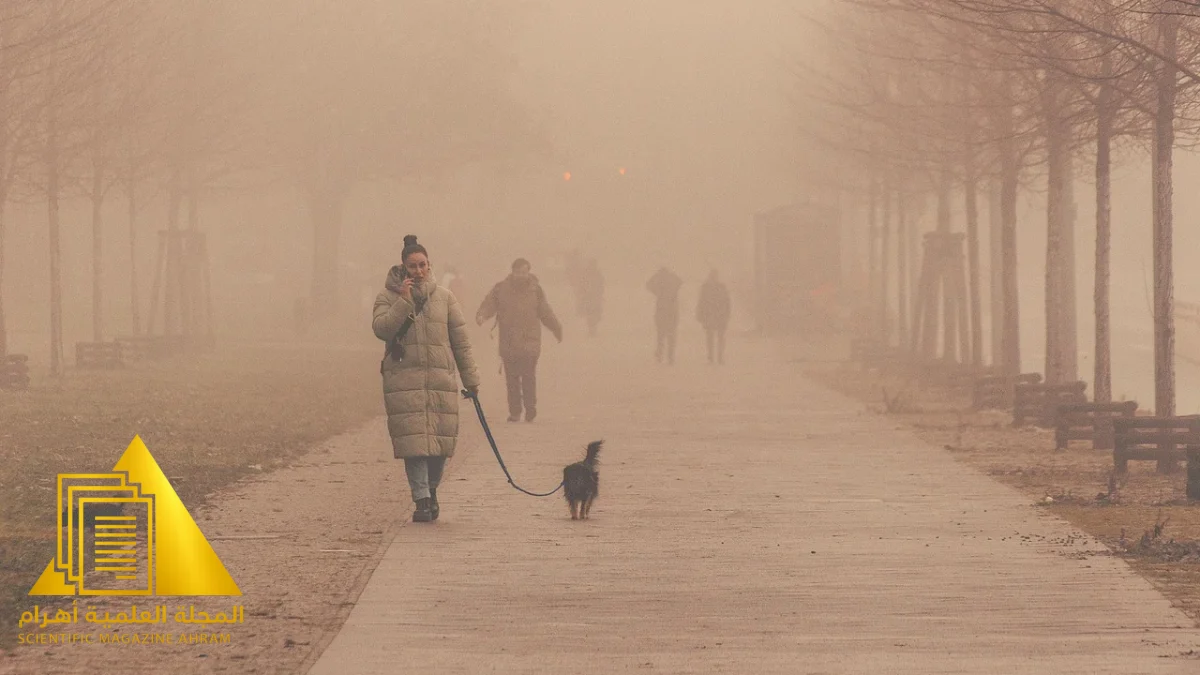

The Festival of Lights Faces Smog
As each winter season begins, wide areas of South Asia, particularly northern India, dress up to welcome Diwali, the renowned Festival of Lights. Despite the immense joy and bright lights that characterize these celebrations, they unfortunately coincide with a dramatic and dangerous turn in air quality. Fireworks and candles mix with calm, cold weather, turning the atmosphere into a dense black cloud that threatens the health of millions of people.
Why Does Winter Air Quality Worsen in South Asia?
The danger of the air at this time is not linked to fireworks alone, as several harsh geographical and climatic factors intersect. With the arrival of winter, temperatures drop and wind speeds slow down, creating a phenomenon known as “surface-level thermal inversion,” where pollutants remain trapped close to the earth’s surface instead of dispersing into the upper layers of the atmosphere. Fireworks, alongside ongoing periods of agricultural crop residue burning in neighboring regions, add massive amounts of toxic fine particulate matter known as PM2.5, which settles in the lungs.
Hidden Health Risks Threatening the Respiratory System
Inhaling this air saturated with pollutants and toxic gases does not just cause temporary irritation in the eyes or throat; the damage extends to severe harm in the short and long term. The most vulnerable groups include children, older adults, and those suffering from chronic illnesses such as asthma and heart disease. The human lung faces a daily assault that raises rates of acute respiratory attacks and increases pressure on hospitals during the festive seasons.
How Can We Celebrate Safely and Protect Our Health?
Despite the significant challenges, this does not mean canceling the expressions of joy, but rather requires collective awareness and strict preventive measures. Experts advise the need to continuously monitor air quality indexes, reduce the use of polluting fireworks as much as possible, and rely on safe alternatives such as electric lights and regular candles. Residents should also stay indoors with home air purifiers running, and wear protective masks (such as N95) when forced to go outside on the most polluted days to protect the respiratory system.
By: Hany Sallam
Source: phys.org


Latest video
تابع معنا تحليل قراءة الصحف اليومية مع الكاتب الصحفي Hany Sallam عبر