

Speech Disorders in Children:
This is an impairment in the way certain sounds in a word are produced due to an inability to articulate them correctly. It manifests as substituting one sound for another, omitting a sound entirely, producing a sound in a distorted and unintelligible manner, or adding sounds that do not exist in spoken speech.
Manifestations of Speech Disorders:
– Omission: The child omits one or more sounds from a word; for example, pronouncing “mk” instead of “samak”. Omission may also occur when two consecutive consonants appear anywhere in the word, without a fixed or specific deletion rule. That is, the child may drop the first consonant sound, saying “marsa” or “mdasa” instead of “madrasa”. The more omissions occur in a child’s speech, the harder it is to understand.
– Substitution: This involves pronouncing one sound instead of another during speech. In many cases, the incorrect sound is very similar to the correct sound in terms of place of articulation, manner of production, and acoustic characteristics (such as saying “ahat biha” instead of “ahat fiha”, “talt samak” instead of “kalt samak”, “lajl” instead of “rajl”, “dabna” instead of “gabna”, “say” instead of “shay”, etc.). Thus, substitution is common between pairs of sounds such as /s/, /th/, /l/, /r/, /dh/, /zh/, /q/, /d/. Substitution may also occur as a result of a shift in the point of articulation, such as using /d/ instead of /j/, where the articulation point moves to the tip of the tongue instead of the middle, and so on.
– Addition: This disorder involves adding an extra sound to a word. A single sound may sound as though it is being repeated, for example “ssbah al-khair” or “ssalam alaykum”, and so forth. Adding a sound or a syllable to a word may also change the intended meaning of the speech.
– Distortion: This is the production of a sound in a way that approximates a normal sound but does not match it exactly, involving some errors. It frequently appears in specific sounds such as /s/ or /sh/, where the /s/ sound is produced with a long whistle, or the /sh/ sound is pronounced from the side of the mouth and tongue, as in pronouncing “madrasa” as “madratha”. Some may refer to this as a lisp.
Causes of Speech Disorders:
There are organic causes, which include:
– Cleft lip: A split affecting the lips, especially the upper lip. It is sometimes called a cleft lip because it resembles a rabbit’s lip.
– Cleft palate: The palate is the roof of the oral cavity, extending from the base of the upper incisors to the uvula. The palate plays a vital role in the pronunciation of many sounds, so any defect in it leads to speech sound disorders.
– Abnormal dental structure: Teeth with proper structure and composition are essential for the accurate articulation of certain speech sounds, as teeth are responsible for producing specific speech sounds.
– Tongue structure abnormalities:
There are several tongue-related problems that may lead to speech difficulties, though to varying degrees. Therefore, the tongue and its general appearance should be observed to see whether it is normal or tense, and its strength of movement, control, and length must be checked.
Among the most prominent problems affecting the tongue that may impact sound production are tongue-tie, tongue thrust, and variations in tongue size.
– Jaw misalignment:
A lack of symmetry between the lower and upper jaws, whether at rest or during movement while speaking, is a major cause behind the appearance of many speech disorders in children.
– Nervous system dysfunction:
Speech disorders may occur due to a dysfunction in the nervous system, which may be evident in the impairments associated with cases of intellectual disability and cerebral palsy.
There are certain disabilities that stem from an injury to the nervous system and the resulting brain disorders, such as cerebral palsy, intellectual disability, and hearing impairment.
And there are social causes
Which are linked to the child’s external and environmental framework, most notably the family atmosphere, imitating poor learning models, the role of the school, and environmental deprivation and a lack of drives and incentives.
Treatment of Speech and Language Problems:
Treatment consists of training the child to produce incorrect sounds correctly. The program takes the form of therapeutic sessions—which may be individual, group, or a combination of both—prepared by a speech-language pathologist. Each specialist has their own particular expertise in this area, but it should be noted that the clinician or specialist should do the following:
- Measure the child’s IQ to rule out intellectual disability.
- Conduct a case study of the child experiencing communication problems, covering their family, upbringing methods, illnesses contracted, and various developmental milestones.
- Diagnose the disorder and determine its cause—whether psychological, or due to another disease or disorder such as autism spectrum disorder—as well as identify the type and severity of the disorder, the treatments previously used with the case, and ensure that the condition is not caused by hearing problems.
- Monitor the child through free play and observation.
After completing these procedures, the treatment plan is constructed, which may be individual or group-based. It should also be noted that each child may have their own customized treatment program depending on their circumstances and characteristics.
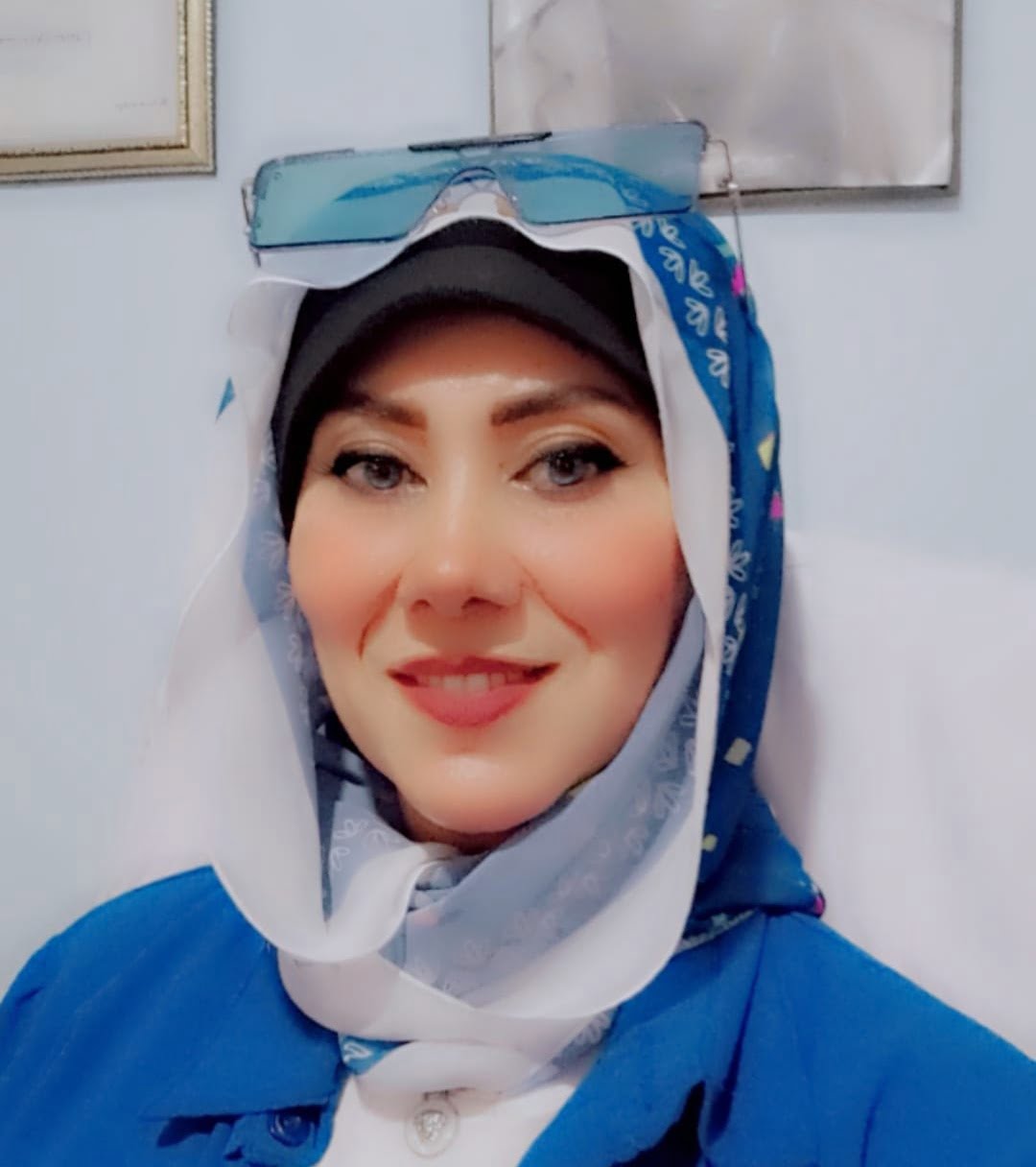
Dr. Hend Mahmoud
Consultant in Speech, Language, Communication, and Mental Health Disorders


Latest video
تابع معنا تحليل قراءة الصحف اليومية مع الكاتب الصحفي Hany Sallam عبر