

The Trap of Glossy Titles: When “Pseudoscience” Misleads Researchers
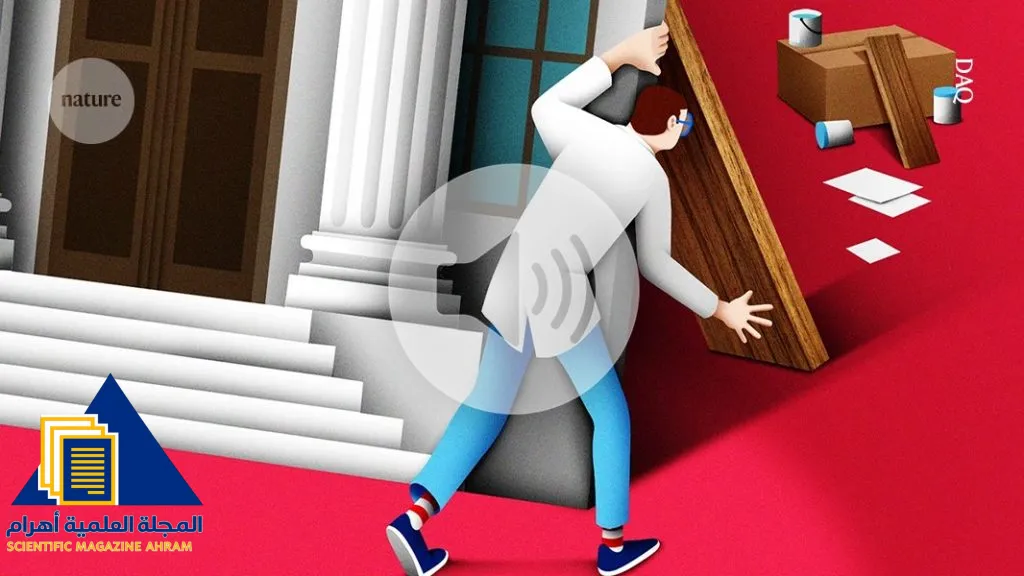
In the world of scientific research, belonging to a prestigious academic society is a badge of honor for a researcher and an essential step toward building a successful career. Yet behind this academic luster, a complex network of organizations is emerging that impersonates reputable scientific institutions, exploiting the ambition of competent researchers to lure them into practices that lack integrity and put their professional futures at risk.
Deception Methods: How Minds Are Trapped
These suspicious organizations use highly intelligent marketing strategies; they do not rely on randomness, but instead target prominent researchers and authors of recently published papers. These entities send official-looking invitations to attend flimsy international conferences, or offer honorary board memberships with high-sounding titles, leading researchers to believe they are receiving exceptional international recognition. These practices aim to build false legitimacy by using the names of real researchers without their explicit consent or by misleading them with false promises of promotion and academic exposure.
Risks Threatening the Integrity of Scientific Research
The danger of this phenomenon is not limited to personal deception, but extends to strike at the core of global scientific publishing integrity. When a prominent researcher links their name to a suspicious organization, it grants the latter a cover of false credibility that it in turn uses to attract young researchers or funding institutions. This overlap makes it difficult for the academic community to distinguish between peer-reviewed scientific conferences and entertainment or commercial events wrapped in an academic guise.
How Do Researchers Protect Themselves?
Experts stress the need for digital vigilance before accepting any academic invitation. Scrutinizing an organization’s record, checking the history of its conferences, and verifying its scientific committee member lists are essential steps. Research institutions and universities must also adopt strict standards to evaluate activities in which their members participate, and educate researchers that “luster” may sometimes be just a front for a network that exploits minds rather than serving science. Protecting scientific integrity begins with researcher awareness and ends with international institutional cooperation to cut off these entities that live off the reputations of others.
By: Hany Sallam
Source: nature.com


Latest video
تابع معنا تحليل قراءة الصحف اليومية مع الكاتب الصحفي Hany Sallam عبر