

Mhamed Amer _ Morocco
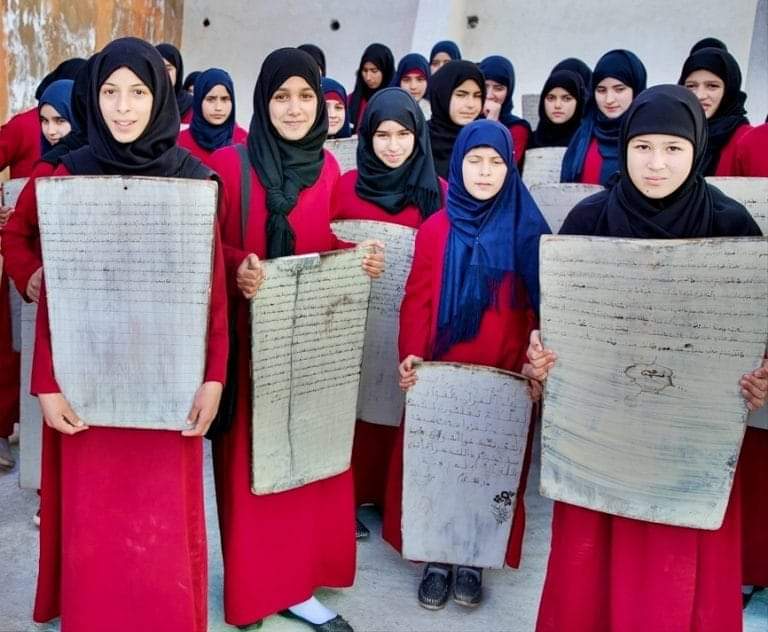
The Souss region in Morocco is known for its traditional scholarly schools scattered across the countryside. These institutions are entirely different from the mosques or local places of worship found in most parts of Morocco, and they also differ from the mosques located in the hamlets of the Souss region.
These traditional schools were built on spacious plots with extensive facilities, such as prayer rooms, spaces for memorizing the Quran, and study areas, alongside large reception halls capable of accommodating many worshippers, students, and visitors. Numerous rooms were also built inside to house students. Functioning much like universities and public educational institutions, these schools focus on nurturing and training cadres in religious and academic fields, acting as a unifying force that brings together, integrates, and educates every member of the tribe.
Some of these schools were founded by a single tribe or a group of tribes, usually united by ties of kinship, blood, and lineage. Others were established by renowned scholars and teachers, or by intellectual and religious figures with the backing and blessing of the tribe. Naturally, as noted above, they were built for religious and social reasons to fulfill the dream of their founder—whether an individual or a tribe—to preserve the Quran, spread religious, linguistic, and literary sciences, and impart universal knowledge.
Most schools in Souss are renowned beyond the borders of the region and the country. Students of knowledge from around the world and from various countries and regions flock to them to study the Quran, jurisprudence, and Islamic law, to draw from their inexhaustible springs, and to absorb the manners of their scholars and jurists. Every student in these traditional schools bore the title of “Al-Talib.”
As for funding, the resources of these schools come from tithes, donations, and gifts provided by tribes and families to feed the students, pay the stipends of the jurists, and sustain the schools’ role in spreading knowledge and promoting jurisprudence and its fundamentals.
Thus, after a tribe finishes building a school, it supports it by setting aside dedicated endowments such as fields and fruit trees. These endowments are usually located right next to the school, benefiting everyone throughout the year with barley, grains, and fruit, alongside the tithes paid by the community. Tribe members give zakat at the end of every lesson or harvest. These agricultural yields, together with contributions from benefactors and visiting beneficiaries, are allocated to feed students and visitors year-round, and most traditional schools…
The salary or stipend for the jurist and his assistant is raised by the tribe through an equal levy divided among all the households that make up the community.
In recent years, the resources of most of these schools have declined significantly, particularly in grains and fruit, due to a drop in agricultural activity among most Souss tribes and the shift toward establishing private associations to run them. These associations take charge of general administration, relying on conditional pledges, zakat funds collected from tribe members, contributions from benefactors and visitors, and assistance provided by the association members themselves.
Every traditional school in Souss has its own internal rules that every student—older adults and students alike—must follow and respect.
In addition to these regulations, the scholar-sheikh requires students to follow inherited customs: performing the five daily prayers in congregation in the school prayer hall; reciting the daily Hizb in the mosque morning and evening; attending school regularly; respecting schedules; avoiding absences without a valid reason; respecting bedtime; upholding good character; and refraining from any disgraceful behavior that would bring harm to the school and the tribe.
These ancient schools have graduated, and continue to graduate, prominent jurists, scholars, and officials. They serve in teaching, preaching, document notarization, notarial work, the judiciary, and accounting across all regions of Morocco and even abroad.


Latest video
تابع معنا تحليل قراءة الصحف اليومية مع الكاتب الصحفي Hany Sallam عبر