

A Silent Disaster in the Heart of Zambia
Eighteen months after the collapse of a copper mine tailings dam in Zambia’s Copperbelt Province, the environmental and humanitarian fallout continues to impose a bitter reality on local residents. What began as a technical accident at a facility operated by the Chinese company Sino-Metals Leach has turned into an ongoing environmental crisis that threatens the ecological balance in the region. The dam failure sent massive quantities of toxic chemical waste pouring into the water sources that thousands of people rely on for their daily lives.
Toxic Wounds That Do Not Heal
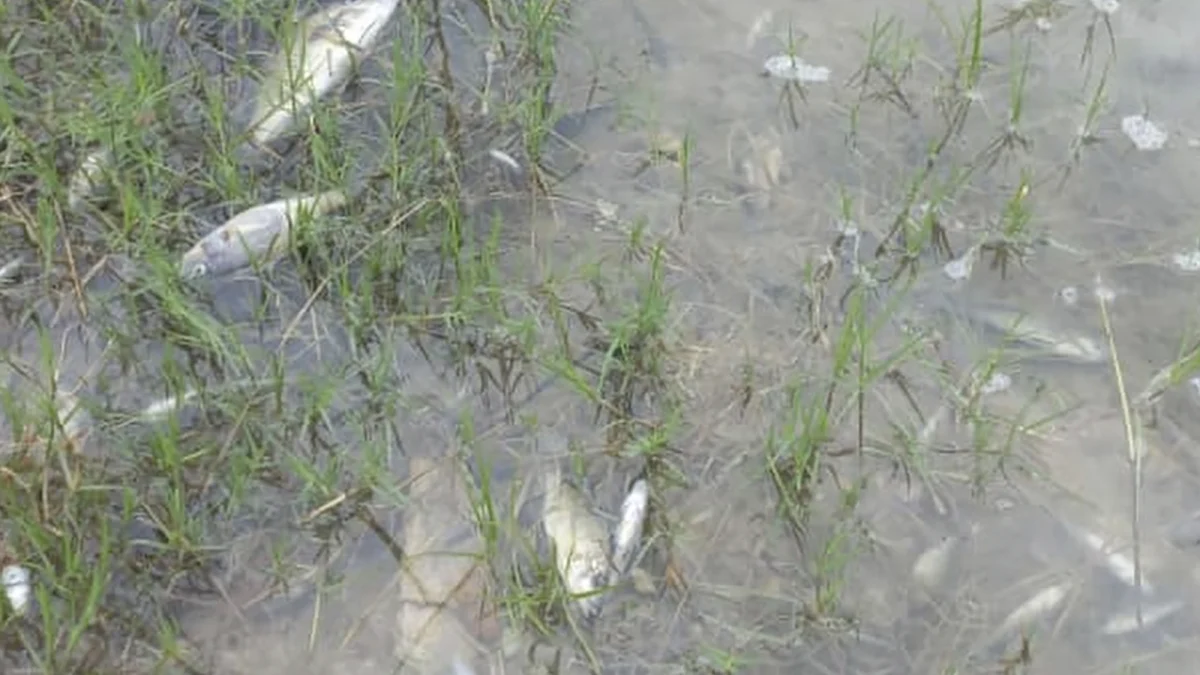
Field reports from civil society indicate that the chemical pollution is no longer a passing incident, but has become a chronic burden. Toxic substances, such as heavy metals and acids from copper processing operations, have contaminated the soil and groundwater. This contamination is not limited to water quality, but extends to the food chain. Fish stocks and agricultural crops are suffering from the accumulation of dangerous pollutants, leaving residents facing difficult choices between extreme poverty or risking public health.
Health and Legal Challenges
Villagers living near the mine suffer from growing health problems, including skin diseases and respiratory disorders, alongside long-term concerns about cumulative toxic effects. Despite a year and a half passing since the disaster, cleanup and compensation efforts still lack transparency and effectiveness. This tragedy revives global questions about sustainability standards in the mining industry and the extent to which major corporations commit to protecting the environment and human rights in developing countries.
The Search for Environmental Justice
The issue goes beyond Zambia to become a global model for conflicts between industrial development and the preservation of ecosystems. Human rights activists demand the need to impose strict oversight on tailings dam facilities and develop firmer emergency protocols to ensure such disasters are not repeated. While awaiting concrete international action, the people of the Copperbelt remain on edge, waiting to reclaim their right to a safe and clean environment, far from the specter of pollution that continues to haunt their daily lives.
By: Hany Sallam
Source: news.mongabay.com


Latest video
تابع معنا تحليل قراءة الصحف اليومية مع الكاتب الصحفي Hany Sallam عبر