

The Mystery of Hibernation: How Does the Brain Protect Our Memories from Fading?
Scientists have long viewed neural connections in the brain as the permanent vault of our memories, and believed that the loss of these connections necessarily means the loss of information. However, a recent scientific study has turned these concepts upside down after observing an astonishing ability in mice entering a state of hibernation, where the brain undergoes a radical “restructuring” process without erasing memory records.
Structural Remodeling in Record Time
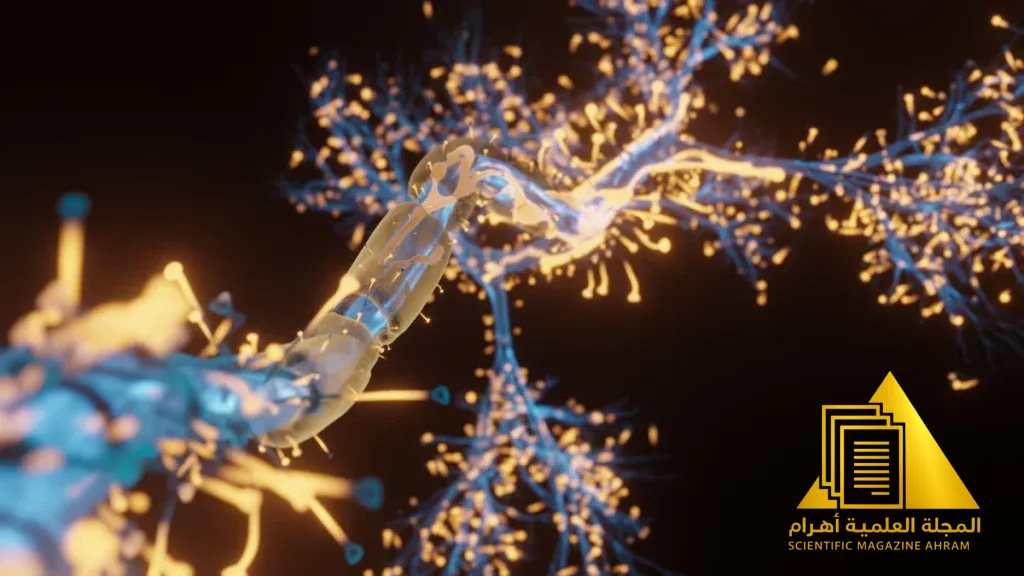
Close observations showed that during hibernation, mice actually lose about half of the neural connections (synapses) located in the brain’s memory centers
. At first glance, this change looks catastrophic, much like a computer wiping its hard drive. Yet as soon as these creatures begin to wake from their dormancy, the brain starts a very rapid repair process, rebuilding the lost connections with extreme precision, as if the brain possesses a “backup map” of neural pathways.
Vital Control Centers: The Cornerstone
The secret to this resilience lies in the presence of “hub connection points” inside the brain. Researchers discovered that these vital centers remain untouched by the dismantling processes that affect other connections during hibernation. These points act as concrete pillars in a building undergoing comprehensive renovation; they ensure the memory structure remains standing and stable, allowing the mouse to fully recover its consciousness and memories upon waking as if nothing happened.
New Horizons for Neurological Medicine
The importance of this discovery is not limited to understanding animal behavior in winter, but extends to opening new horizons in understanding human brain plasticity. If the brain can maintain memory continuity despite losing a large part of its wiring, this could lead us to a better understanding of memory loss or neurodegenerative diseases such as Alzheimer’s. Understanding this remarkable biological mechanism may give us future keys to develop treatments that protect human neural connections or even accelerate their repair after injuries or diseases.
By: Hany Sallam
Source: sciencenews.org


Latest video
تابع معنا تحليل قراءة الصحف اليومية مع الكاتب الصحفي Hany Sallam عبر