
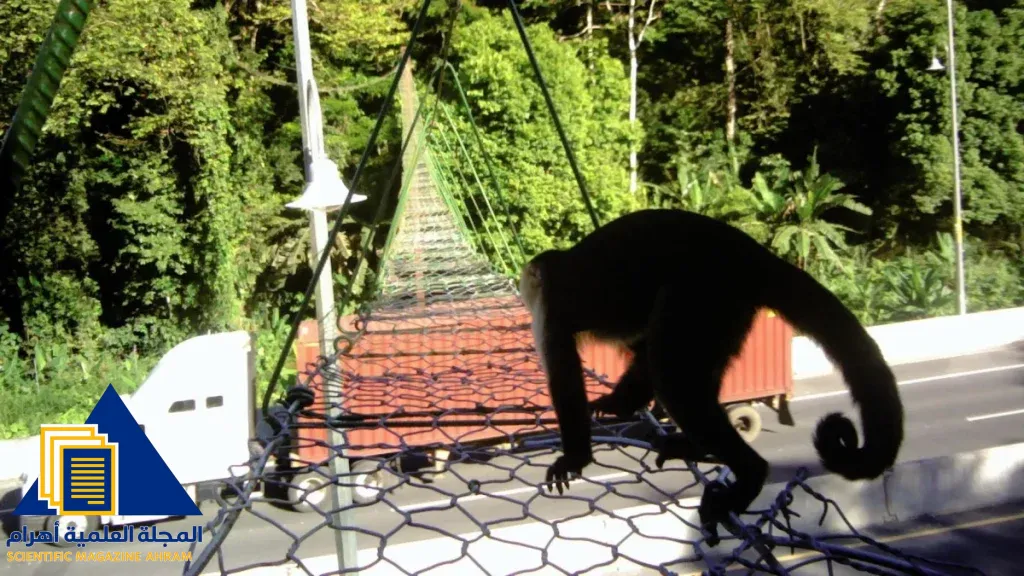

Safe Corridors: Costa Rica’s Pioneering Step to Protect Biodiversity
In a historic move reflecting a deep commitment to preserving nature, lawmakers in Costa Rica have unanimously passed pioneering new legislation that is the first of its kind in the region. It requires responsible authorities to build safe wildlife corridors above and below highways. This decision comes in response to urban expansion that has fragmented forests, posing an existential threat to many species forced to cross dangerous roads in search of food or mates.
Reconnecting Ecosystems: More Than Just Bridges
The new law does more than simply protect animals from vehicle collisions; it aims to restore what scientists call “natural connectivity.” Habitats cut off by highways act as isolated islands, reducing genetic diversity and making creatures more vulnerable to extinction. By providing overhead passages (green bridges) or underpasses, Costa Rica ensures that animals can move freely between protected areas
, thereby strengthening the resilience of ecosystems and their capacity to adapt to climate change.
Smart Planning for a Sustainable Future
The new law requires engineers and planners to assess the environmental impact of every new road project and provide scientific evidence on how it will affect animal migration routes. If a risk is proven to exist, integrating comprehensive engineering solutions that blend infrastructure with nature becomes mandatory. This strategy not only protects wildlife, but also improves road efficiency and driver safety by significantly reducing the likelihood of sudden collisions that can cause personal injury and property damage.
A Global Role Model
Costa Rica is one of the most biodiverse countries in the world, and this legislation cements its status as a global leader in smart environmental management. Relying on science in decision-making proves that economic development and infrastructure expansion do not have to come at nature’s expense. As implementation of this law begins, all eyes are on Costa Rica to serve as a living laboratory for how humans and wildlife can coexist in a rapidly changing world, sending a message of hope that human progress can respect the other forms of life that share our planet.
By: Hany Sallam
Source: news.mongabay.com


Latest video
تابع معنا تحليل قراءة الصحف اليومية مع الكاتب الصحفي Hany Sallam عبر