

Climate Adaptation
What Is Climate Adaptation to Address Heatwaves?
Humans adapt to cold weather with appropriate clothing, but how do we cope with extreme heat across human life, animals, and plants?
The problem lies in the nature of the Earth’s surface components, due to how they absorb and reflect heat. A non-specialist can notice this phenomenon when crossing a body of water, such as the River Nile, during peak heat, noting the vast difference between the water surface and the land. The question is: how do we prevent the land surface from heating up?
We divide thermal insulation work into two categories:
1. Urban Environment
As for streets, heat-insulating asphalt already exists, and this matter has been thoroughly researched. As for buildings, there are many economical, heat-insulating types for insulating the exterior perimeter of buildings. The returns from thermal insulation for the urban environment are:
A. It provides a moderate atmospheric feel similar to a body of water.
B. It saves half the energy used in air conditioning and cooling operations, including refrigerators and coolers.
C. It provides a sound work environment across all sectors and maintains productivity rates.
D. It prevents the high rate of wear and tear caused by heat on transport and production equipment.


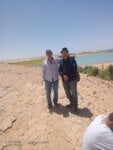
2. Agricultural Environment, Especially Desert Environments
Ground heating can be prevented by using artificial shading made from heat-insulating materials, which saves half the water used for irrigation and, consequently, half the energy used in irrigation operations, given that the lowest cost per kilowatt using solar cells is 12,000 pounds, in addition to providing a suitable climatic environment for irrigation. It is known that irrigation should not take place during peak heat hours, while solar-powered irrigation operates during the day. Therefore, the thermal insulation system provides the following:
A. Saving half the energy and water strengthens the agricultural sector.
B. High productivity and quality of agricultural produce, and a high return on investment.
Researcher
Yehia Arafat Mousa

Latest video
تابع معنا تحليل قراءة الصحف اليومية مع الكاتب الصحفي Hany Sallam عبر