

By Dr. Messa Salah El-Din Ismail
Head of the Scientific Department at Ahram Science Magazine and Board Member

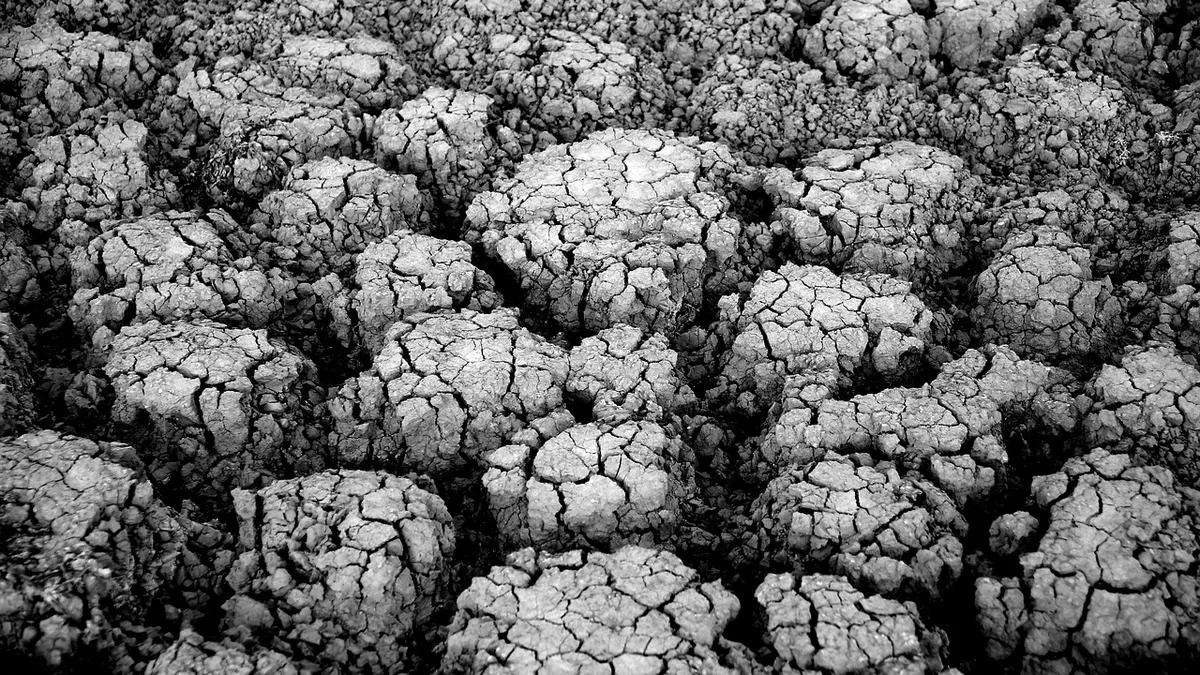
Climate change is currently the hottest and most urgent issue facing the international community, given the serious future impacts and repercussions it may cause, not least the drying up of certain rivers, the submergence of vast coastal areas, and shifts in the world’s agricultural production regions, among other consequences beyond our capacity or endurance. Consequently, global environmental organizations have sounded a loud alarm, warning of global climate degradation and ringing warning bells to alert the oblivious that this deterioration could have horrifying repercussions due to rising carbon emissions.
Therefore, it was necessary to hold international meetings to discuss the repercussions of climate change and how to adapt to and mitigate its harmful impacts.
We will review the key recommendations and outcomes that emerged from COP26, what will take place at COP27, and what is expected afterward.
What Happened at COP26 in Glasgow

The COP26 conference concluded with nearly 200 countries agreeing to the Glasgow Climate Pact to maintain a 1.5-degree Celsius rise in temperature and finalize the prominent elements of the Paris Agreement. This included:
- Working to urgently accelerate climate action, as all countries agreed to revisit and strengthen their current emissions targets up to [the target year], which will be presented at an annual political roundtable to review global progress and at the 2023 leaders’ summit.
- One of the most important outcomes of the conference was the completion of the Paris Rulebook regarding Article 6 of the Paris Agreement on the carbon market, where regulations were established for trading emissions in bilateral deals under UN supervision, which may reach $100 billion.
- Industrialized countries pledged in 2009 to provide $100 billion annually in financial support by 2020 to help developing countries adapt, a goal that has not yet been achieved, as the volume of funding has not exceeded 10% of the agreed amount. Parties at the Glasgow conference proposed doubling this pledge starting in 2025. Parties to the UN Framework Convention on Climate Change also pledged to establish a dedicated adaptation fund to help countries affected by climate change cope with its negative impacts.
- Scotland pledged £2 million to the loss and damage fund during the Glasgow conference, while a group of philanthropic organizations pledged $3 million, and Germany pledged €10 million to the Global Ecosystem-based Adaptation Fund, which is managed by the United Nations Environment Programme and the International Union for Conservation of Nature (IUCN). Although the ecosystem-based adaptation approach is effective in addressing climate change, it accounts for only 5% of total climate finance, whereas the UN Secretary-General directs that this proportion should reach 50%.
- Reducing coal subsidies, with a number of countries (the European Union, the United Kingdom, Canada, and the United States) pledging to achieve net-zero emissions by 2050 and China by 2060. The Glasgow pact also urged countries to prepare ambitious emission reduction plans, as scientists’ reports indicate that carbon dioxide emissions must be cut by 55% from 2010 levels by 2030.
A group of countries also committed to the following:
- Global Methane Pledge: More than 100 countries and partners are jointly pledging to cut methane emissions by 30% below 2020 levels by 2030, which could avoid 0.2 degrees of global warming. This has been complemented by a separate cooperation agreement between the US and China aimed at developing additional measures to boost control of methane emissions before COP27.
- Thirty countries and international development banks aim to end public financing for fossil fuels, including oil and gas projects, by 2022.
- COP26 hosted the inaugural meeting of the International Aviation Climate Ambition Coalition, which aims to drive ambitious action to reduce carbon dioxide emissions from aviation to net zero by 2050.
- More than 100 national governments, cities, states, and major businesses signed the Glasgow Declaration on Zero-Emission Cars and Vans to end the sale of internal combustion engines by 2035 in leading markets and 2040 worldwide. At least 13 signatories signed a similar memorandum of understanding to end the sale of fossil-fueled heavy-duty vehicles by 2040.
- More than 100 heads of state, holding 85% of the world’s forests, pledged to end deforestation by 2030, committing $192 billion for the purpose. More than 30 financial institutions also pledged not to invest in activities linked to deforestation.
- A work program to define the global goal on adaptation, which will identify needs and solutions to cope with climate change. Parties also agreed to continue discussions (the Glasgow Dialogue) among parties, relevant organizations, and stakeholders to determine ways to finance the negative impacts caused by climate change.
- More than 1,000 universities from 68 countries worldwide have pledged to achieve net-zero emissions by 2030, adopt the Nature-Positive Universities initiative, and join an ongoing wave of participation by universities around the globe. This initiative is led by the Environmental Association for Universities and Colleges and Second Nature, in partnership with the UN Environment Programme.
Regarding what was discussed about the impact of climate change on the water sector specifically at the global level:
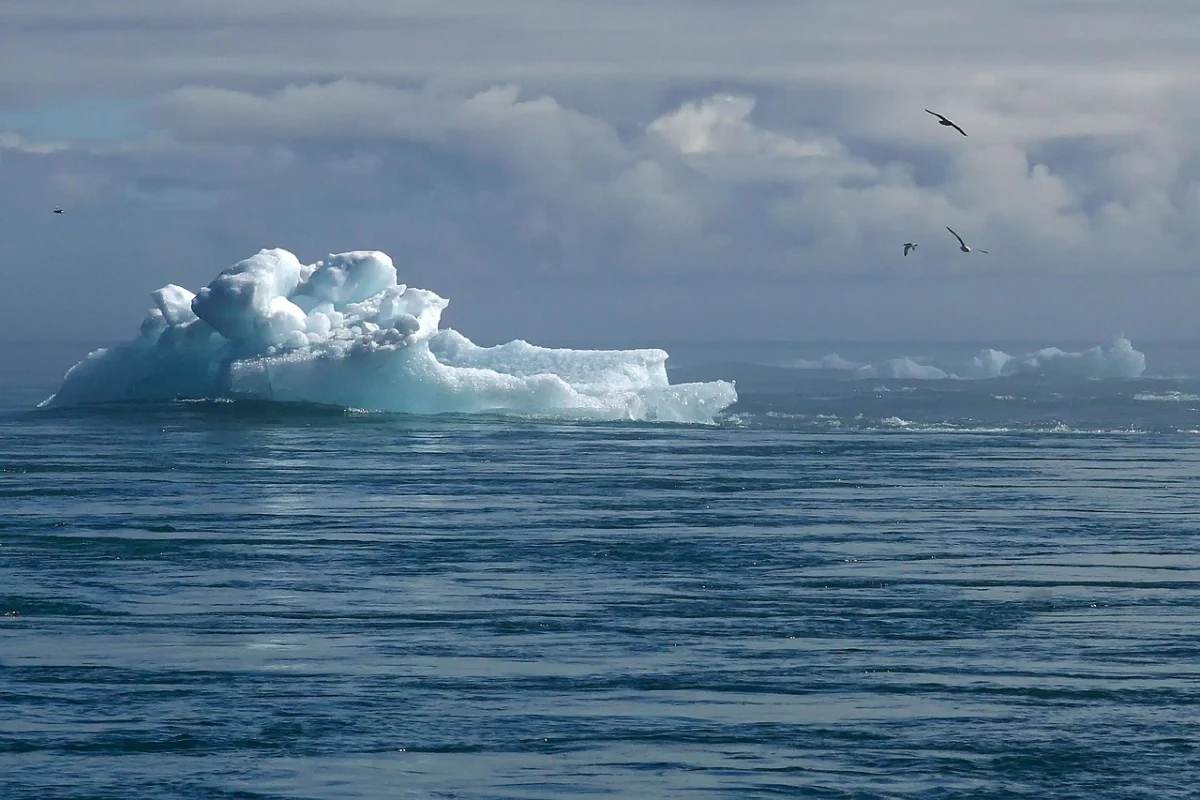
On October 29, 2021, various UN bodies issued an urgent appeal to countries to make water an integral part of the fight against climate change.
This came in a message addressed to heads of state by UN agencies—such as the World Meteorological Organization, the World Health Organization, the Food and Agriculture Organization, the International Fund for Agricultural Development, UNESCO, UNICEF, the UN Environment Programme, the United Nations University, the UN Economic Commission for Europe, and the Global Water Partnership—stating the following:
- Urgent action must be taken to address the water-related consequences of climate change affecting water on Earth.
- Taking into account that a previous UNICEF report stated that more than one-third of the world’s children are severely exposed to water scarcity.
- The 2020 UN World Water Development Report emphasizes that water is the “climate glue” that allows for greater cooperation and coordination across the majority of goals for climate change (the Paris Agreement), sustainable development (the 2030 Agenda and its Sustainable Development Goals), and disaster risk reduction (the Sendai Framework).
- Sustainable Development Goal 6, mandated by the UN, aims to “ensure availability and sustainable management of water and sanitation for all.” Climate change impacts will affect this specific purpose within the water sector, alongside others.
- UN agencies urged countries to “more effectively address the water dimensions of climate change adaptation and mitigation, as set out in an agreed UN framework to accelerate progress toward Sustainable Development Goal 6.”
- Priority countries should “integrate water and climate agendas at the national level through national adaptation and resilience planning and at the regional level through transboundary cooperation.”
What Is Expected at the 27th Conference of the Parties (COP27) in Sharm El-Sheikh
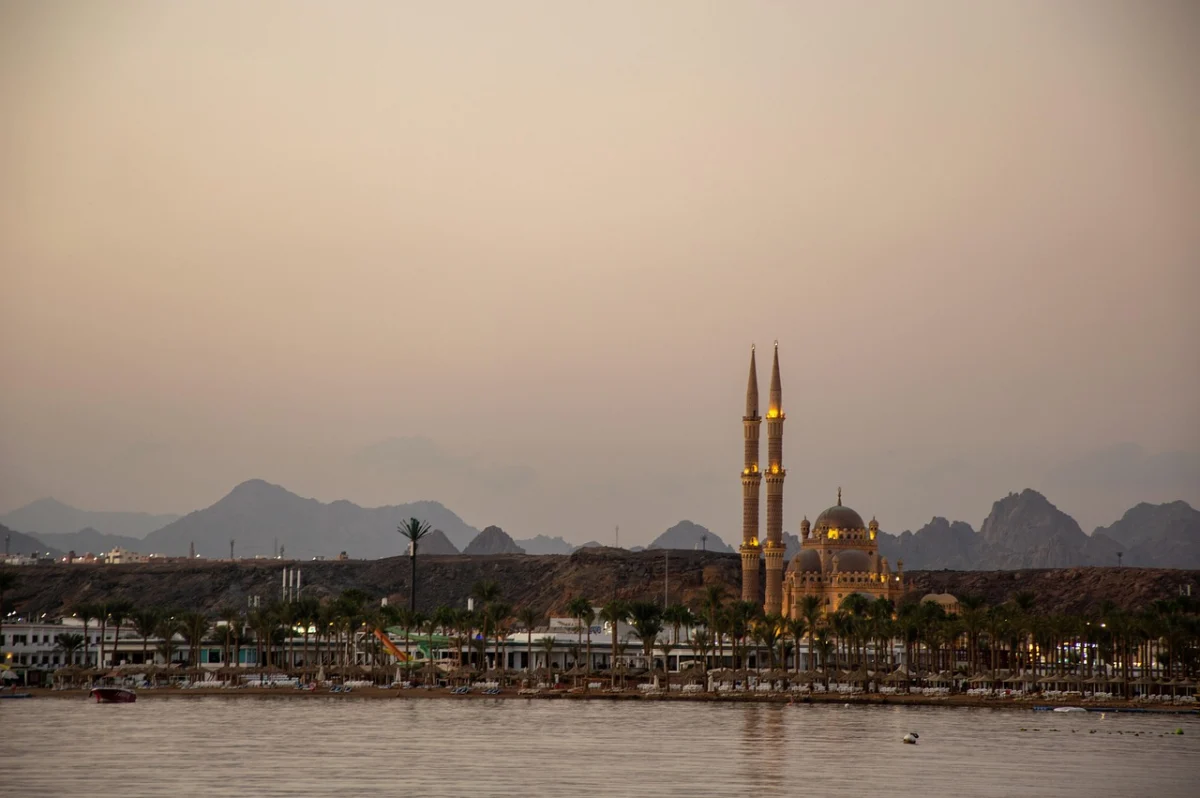
The 27th Conference of the Parties to the UN Framework Convention on Climate Change will be held in Sharm El-Sheikh this coming November under more difficult circumstances than its predecessor:
- As it is scheduled to take place before the global economy has recovered from the coronavirus pandemic and the war in Ukraine.
- Due to the tension and divisions that have struck energy, food, and transport markets, as well as agricultural supplies, with unprecedented price increases.
All of this has negatively impacted capital markets, gold, and central banks, doubling the number of people living in poverty and facing the risk of famine to 193 million, according to the latest FAO report. It has also hit the global economy with symptoms of cumulative inflation, confusion, and other successive daily consequences. Furthermore, the war in Ukraine has reshaped global energy markets, where fossil fuel use (oil, gas, and coal) accounts for about 80% of global energy consumption. The quantities used by each country vary considerably depending on its level of industrial advancement, population size, and various other economic and service factors. Every country in the world strives to secure the energy it needs to implement its development agenda and develop its export capabilities for products and services to foreign markets. Although energy is one of the most vital requirements for development and progress, it is constantly subjected to numerous geopolitical issues and significant economic pressures. Fossil energy has also become more complex due to greenhouse gases emitted from its use, which cause climate change.
On February 24, 2022, Russia invaded Ukraine, and repercussions rippled through the energy trade system and its long-standing agreements. European countries were caught unprepared after relying entirely on the existing system and Germany’s readiness to launch the Nord Stream 2 offshore gas pipeline originating from Russia in the North Sea—co-financed by Russia’s Gazprom and Western oil companies at a cost of $22 billion—while European countries and the US insisted after the invasion on not dealing with this pipeline.
Europe was left helpless by this sudden shortage of natural gas and liquid petroleum imported from Russia, the disruption of gas transiting through Ukraine, the expected supplies from the Nord Stream 2 pipeline, and further volumes after Russia reduced pumping volumes and insisted on payment in Russian rubles. The supporting countries hesitantly imposed financial and trade sanctions on Russia at first, given the onset of the cold winter and their urgent need for energy. From that period until now, the energy trade system has changed: prices rose and then fell again, uncertainty dominated markets, agreements were canceled, and deals for energy and market diversification returned. This has had a major impact on countries’ commitments in climate agreements and the studies they approved, some of which coincided with developments such as:
- Moving quickly on new oil and gas projects despite announcements to accelerate clean energy projects.
- The return of some countries to using coal due to the reduction or suspension of gas and oil supplies, contrary to what major countries promised at COP26.
- New projects already underway to build regasification facilities in Germany, Italy, Greece, the Netherlands, and Denmark. If all these projects go forward, they will either become stranded assets whose costs will not be recovered, or if completed and continued in operation, they will cause a rise in temperatures that will be difficult to reverse.
- Approval was given to develop a gas field in the North Sea west of Aberdeen, belonging to Britain, which is expected to cover 6.5% of Britain’s production.
- This war has placed the energy transition plan at a crossroads, and commitments to carry it out have been delayed.
Therefore, the Sharm El-Sheikh conference is considered one of the strongest conferences that will yield strong results at the global level, God willing.
The agenda of the upcoming conference is headed by the following:
Follow-up on the implementation of commitments from the previous COP26 in Glasgow, including financial support for the Green Fund and allocations for mitigation and adaptation in developing and poor countries affected by climate change.
- Reaching an agreement on issues that were not resolved in Glasgow, such as the proposal to establish an international Loss and Damage mechanism to finance loss and damage for affected countries and island nations in the oceans.
- Monitoring the commitment of major industrialized countries to their pledges to reduce their emissions of greenhouse gases to keep global warming within 1.5 degrees Celsius by 2030, in preparation for achieving carbon neutrality by the middle of the century.
What Is Expected After COP27
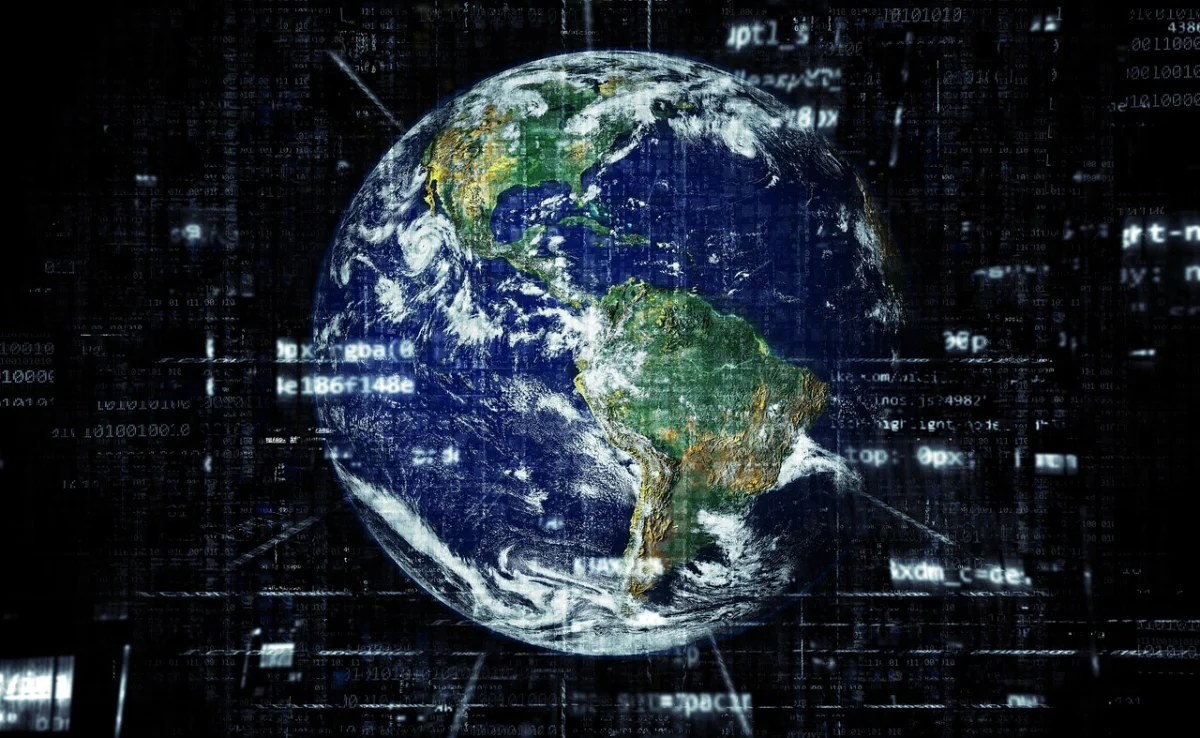
Egypt’s hosting of the 27th Conference of the Parties is a historic opportunity that must be seized to mobilize all efforts to address the dangers of climate change and its impact on the development path. In addition to the policies and measures taken by the government, it is also necessary for all civil society institutions and the private sector to participate to benefit from the opportunities provided by this participation in capacity building, raising awareness, and transferring eco-friendly technology, in addition to the green finance opportunities available in capital markets.
The following may be useful:
- Launching the “Green Africa” initiative to transition the continent toward a green economy as a mechanism to address the challenges facing the continent, including economic, environmental, and social challenges—such as climate change—and achieve energy and food security.
- Engaging the private sector in roundtable discussions and other ongoing events abroad to explore new opportunities available in the energy, industry, transport, buildings, agriculture, forestry, and waste sectors.
- Drafting a “green roadmap” by private sector organizations that includes feasibility studies for developing and modernizing industry, agriculture, and energy sources to align with climate change adaptation needs and sustainable development goals.
- Banks should take the initiative to examine the economic feasibility of projects proposed in private sector initiatives and explore the possibility of providing the necessary financing for them.
- The state should take the initiative to announce a package of incentives and tax exemptions for green projects.
- Capitalizing on the Conference of the Parties as an opportunity to hold roundtable discussions between the Egyptian and Arab private sectors and their regional and international counterparts.
- Developing new insurance systems against climate change risks by drawing on international expertise.
- Harnessing Egypt’s immense renewable energy potential to become a regional clean energy hub for exporting electricity and hydrogen.
- Adopting effective policies and procedures to curb energy consumption and increase the competitiveness of energy-intensive industries by improving energy efficiency.
References
- Intergovernmental Panel on Climate Change (IPCC, 2007): New Assessment Methods and the Characterization of Future Conditions. Fourth Assessment Report. Chapter draft.
- World watch Institute (2007): Cities Key to Tackling Poverty, Climate Change – State of the World 2007: Our Urban Future by January,2007.www.worldwatch.org/node/4839
- EPA, (2001a): Answers to Frequently Asked Questions…Global Warming Site: Science Q&A. Online: http://www.epa.gov/globalwarming/fag/index.html .
- GRCIO, (2001a): Global Warming and Climate Change – Part 1: What Is Climate Change? Online: http://www.grcio.org/gwcc/part1. html .
5- Center for Futures Studies (2007a): Climate Change and Its Implications in the Arab Republic of Egypt
6- “Climate Data for Egypt”, World bank, available at: https://climateknowledgeportal.worldbank.org/
[1] UN World Water Development Report 2020: Water and Climate Change, 7- UNESCO World Water Assessment Programme, March 2020 UNESCO, UN-Water, 2020: United Nations World Water Development Report 2020: Water and Climate Change, Paris, UNESCO., https://unesdoc.unesco.org/ark:/48223/pf0000372985.locale=en, 2020.
8- Saeed Salem El-Goweily, “Studies in Environmental Protection Law”, Faculty of Law Book, Zagazig University – University Presses, Egypt, Part V, pp. 5–6, 2018
9- “Climate Change in Egypt”, World bank, https://climateknowledgeportal.worldbank.org/country/egypt/climate-sector-energy
10- “Rising seas threaten Egypt’s fabled port city of Alexandria”, Ahram online, 4/9/2019, available at: http://english.ahram.org.eg/NewsContent/1/64/345177/Egyt/Politics-/Rising-seas-threaten-Egypts-fabled-port-city-of-Al.aspx
11- Strzepek KM, Yates DN, El Quosy DED (1996) Vulnerability Assessment of Water Resources in Egypt to Climate Change in the Nile Basin, Climate Research 6: 89–95
12- “Potential Impacts of Climate Change on the Egyptian Economy”, UNDP, 2013, available at: https://www.eg.undp.org/content/egypt/en/home/library/environment_energy/publication_1.html
13- “World Resources Report 2010-2011: Decision Making in a Changing Climate”, World Resource institute, available at: https://www.wri.org/our-work/project/world-resources-report/world-resources-report-2010-2011.
14- “Action Plan on Climate Change, Adaptation and Resilience”, World bank, available at: https://climateknowledgeportal.worldbank.org/en/519821547481031999/WBG-Action-Plan-on-Climate-Change-Adaptation-and-Resilience-FINAL.pdf.
15- Egypt and the Issue of Climate Change, State Information Service, at the following link: https://www.sis.gov.eg/Story/41146?lang=ar (30 July 2020).
16- IPCC (2007). Contribution of Working Group II to the Fourth Assessment Report of the Intergovernmental Panel on Climate Change.
17- CoP 26: ‘Every third child is severely exposed to water scarcity’ (downtoearth.org.in)


Latest video
تابع معنا تحليل قراءة الصحف اليومية مع الكاتب الصحفي Hany Sallam عبر