
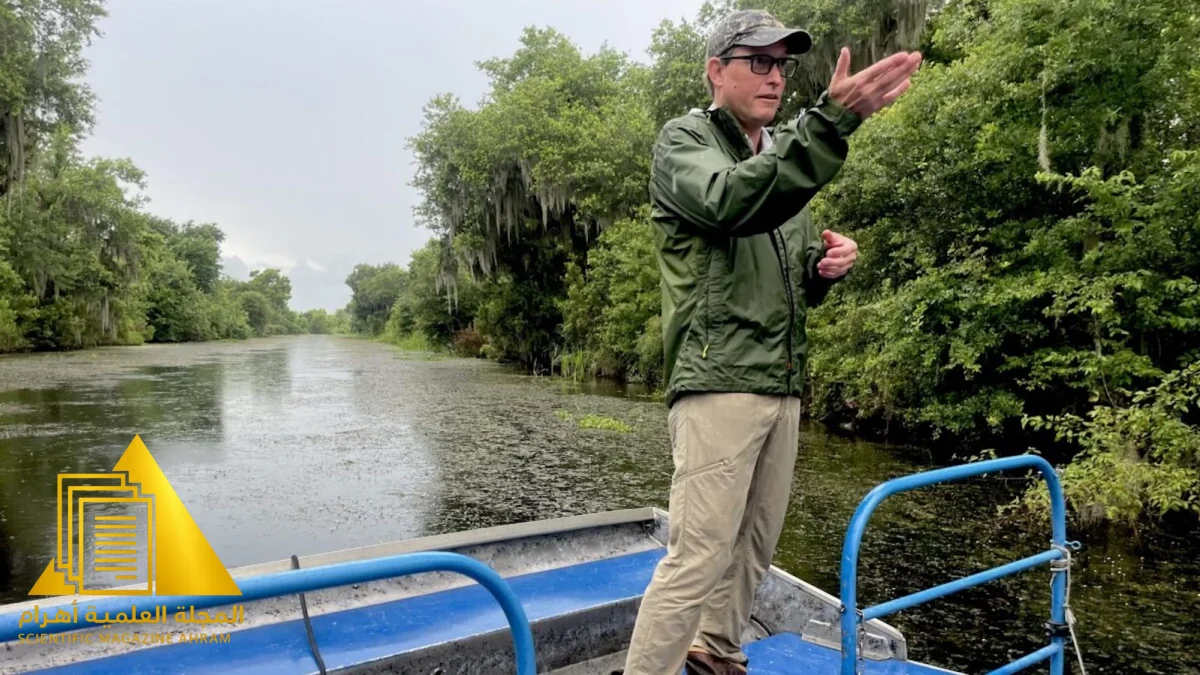

When Nature Works Its Miracles by Accident
In the world of science, unintended mistakes often lead to the greatest discoveries. This is precisely what happened in 2002, when the US Army Corps of Engineers made an engineering error during a water project. This mistake did not go unnoticed; instead, it produced a startling and unexpected result: the creation of vast stretches of new land in the Mississippi River Delta in Louisiana, where waves and water had been relentlessly consuming the coasts.
From a Fleeting Mistake to a National Survival Strategy
What happened was not merely a happy coincidence, but over time it turned into an intentional scientific lesson. As Louisiana faced an environmental crisis of coastal erosion and the drowning of wetlands due to rising sea levels and human intervention, scientists realized that nature had handed them a solution on a silver platter. By carefully channeling sediment according to the mechanism that happened by chance two decades ago, engineers can now rebuild lost shores.
The Future of Coasts: Engineering That Mimics Nature
Today, Louisiana is not content with merely observing this phenomenon; it seeks to intentionally replicate it as part of an ambitious plan to restore its eroding coasts and protect local communities from floods. This plan relies on building engineering water diversions that mimic the old mistake, so that river waters carry huge amounts of silt and sand to deposit them in damaged areas. In short, it is a human attempt to turn back the clock and restore lost ecological balance.
By: Hany Sallam
Source: grist.org


Latest video
تابع معنا تحليل قراءة الصحف اليومية مع الكاتب الصحفي Hany Sallam عبر