

An Impossible Journey Near the Sun
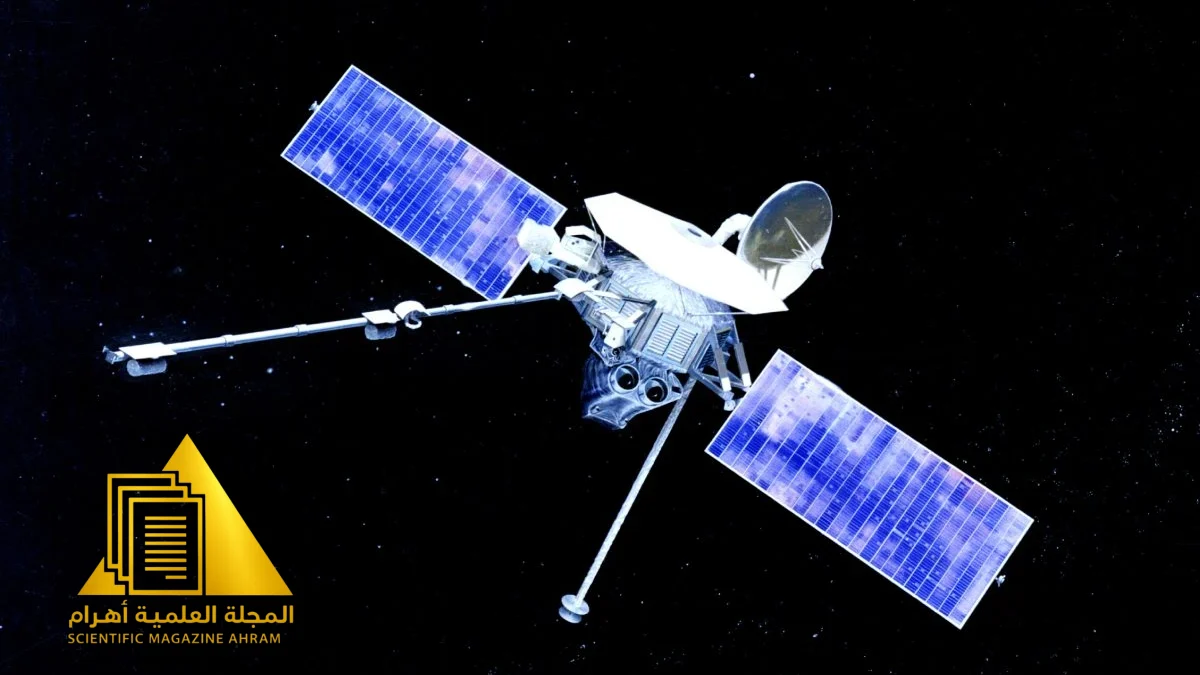
On November 3, 1973, the Mariner 10 space probe launched on an unprecedented, historic mission targeting Mercury, the planet closest to the Sun. The journey was not just a routine launch, but an immense engineering and physical challenge of such complexity that humanity was unable to repeat the achievement for decades, succeeding in reaching Mercury again only in the twenty-first century. This long inability raises an urgent question: Why is traveling to this small planet so disastrously difficult?
The Sun’s Deadly Gravity and Immense Speed
The core dilemma of traveling to Mercury lies in the planet’s location and its extreme proximity to the parent star. When scientists send a spacecraft toward Mercury, it does not simply travel in a straight line; it is pulled powerfully by the Sun’s massive mass. This immense gravity drives the probe’s speed madly upward as it approaches, making it like a fast train hurtling down a dangerous slope. For the probe to enter orbit around Mercury—or even get close enough to take pictures—it must brake against this enormous speed, which requires massive amounts of fuel far exceeding the capacity of traditional rockets.
The Brilliance of Maneuvering and Gravity Assist
To overcome the obstacles of speed and fuel, scientists at the US space agency NASA had to use complex maneuvers known as gravity assists. Instead of a direct flight, Mariner 10 was directed to pass close to Venus first, using its gravity as a natural brake and a guide to change its course. This complex orbital dynamics requires extreme precision, similar to firing an arrow and hitting a moving target miles away, since any minor miscalculation means the spacecraft is lost in deep space or burned up by the Sun’s fires.
Unbearable Heat and Harsh Radiation
Alongside mechanical challenges, any probe approaching Mercury faces a harsh environment that is fatal to computers and electronics. The planet is exposed to solar radiation about seven times greater than that reaching Earth, raising surface temperatures to levels capable of melting lead. This massive thermal contrast, alongside destructive solar radiation, made designing a spacecraft capable of surviving a technological miracle. Despite all these obstacles, the Mariner 10 mission opened the door to exploring the secrets of the inner solar system, remaining one of the boldest adventures in the history of space exploration.
By: Hany Sallam
Source: universemagazine.com


Latest video
تابع معنا تحليل قراءة الصحف اليومية مع الكاتب الصحفي Hany Sallam عبر