

Isn’t it time for a comprehensive and fair assessment of the new high school system introduced in 2020?
Five full years have passed since it began—enough time to issue a scientific and objective verdict:
Has this system succeeded in achieving its educational goals?
Or does it need fundamental adjustments to restore balance and fairness?
Or has experience proven that it requires a radical review and perhaps cancellation?
The time has come for an honest self-appraisal, reviewing this system away from justification or minimization, to objectively identify its strengths and shortcomings.
Does the problem lie in exam administration and organizational procedures?
Or in the technical aspects of drafting questions and how well they connect to target learning outcomes?
Do these tests truly measure students’ real abilities?
And what is the impact of electronic cheating on the integrity and fairness of the evaluation?
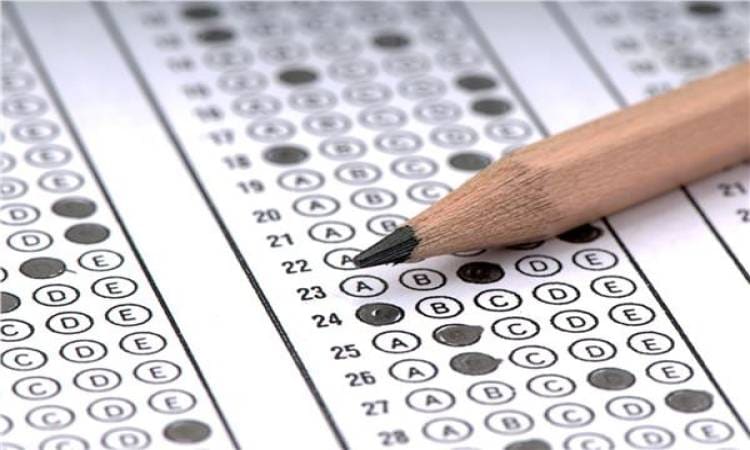
We cannot ignore that multiple-choice questions, upon which this system is built, have proved a complete failure—especially in scientific subjects—in judging a student’s true capacity for understanding, analysis, and creativity.
Indeed, these questions were, and still are, a primary reason for the spread of electronic cheating and the loss of hard-working students’ rights, amid a lack of fair credit for problem-solving steps and scientific reasoning.
The irony is that Egyptian universities themselves, which some tried to drag into adopting this same evaluation style, have reconsidered and taken bold decisions to cut the weight of multiple-choice questions to just 25% of the exam. They are on their way to reducing them further and perhaps dispensing with them altogether, after their inability to measure higher levels of thinking became clear.
So how can we speak of modern education based on critical thinking, production, and creativity, while we evaluate our children with a test that looks only at the correct answer without regard for the method of solution or the depth of understanding?!
It is an educational absurdity that threatens to undermine the true meaning of learning, turning success into mere chance or a skill in “guessing the answer”!
The demand for a real evaluation of this system is not a questioning of its motives, but an educational and national duty to ensure that every student receives their right to a fair evaluation, and to build an assessment system worthy of Egypt’s ambitions for a modern, fair education.
We hope the research centers affiliated with the ministry, which participate in decision-making, will play their role in this matter to enlighten decision-makers and provide scientific visions that illuminate the path to real reform.
Prof. Dr. Osama Maher Hussein


Latest video
تابع معنا تحليل قراءة الصحف اليومية مع الكاتب الصحفي Hany Sallam عبر