
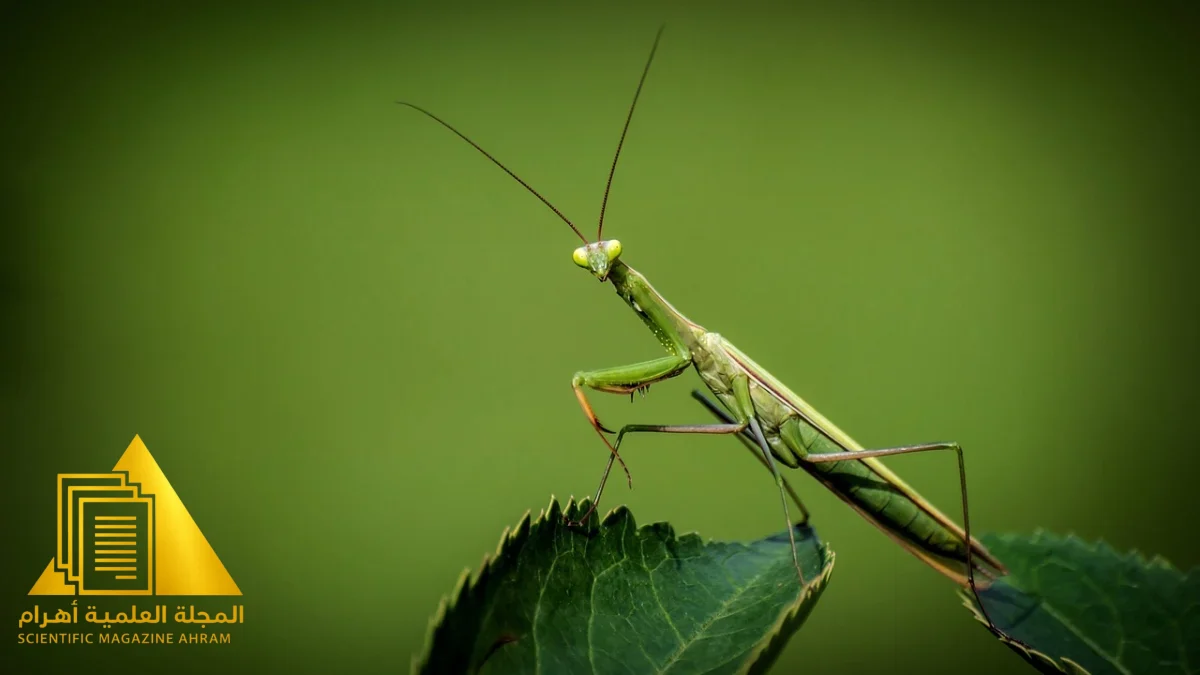

A Cretaceous Time Capsule
In the world of paleontology, amber—fossilized tree resin—acts as a unique time capsule that offers a glimpse into life on Earth millions of years ago. A team of scientists has made an astonishing discovery detailing prehistoric forest life: a mantis preserved in remarkable condition inside a piece of amber dating to the mid-Cretaceous period, roughly 98 million years ago.
Ancient Myanmar Tropical Forests
This unique specimen was found in what is now Myanmar, which during that ancient era was a tropical rainforest teeming with plant and animal life. When sticky resin engulfed the insect, it sealed it off from air and bacteria, preserving it down to the finest details of its exoskeleton so that it reaches us today virtually frozen in time.
Astonishing Camouflage Mimicking Leaves
What truly sets this discovery apart is not just the exceptional state of preservation, but the insect’s own unique characteristics. Researchers observed delicate, leaf-like appendages on the mantis’s abdomen—a prominent evolutionary trait known as specialized camouflage. These appendages helped the ancient mantis blend into the green foliage of its tropical environment, allowing it to easily hunt prey and hide from predators.
A Window into Insect Evolution
This discovery opens the door for scientists to better understand how survival and camouflage mechanisms evolved in insects across geological ages. Studying this fossilized specimen reveals how organisms adapted to their environments millions of years ago, offering new insights into the history of Earth’s biodiversity and how life responds to ongoing environmental change.
By: Hany Sallam
Source: sciencealert.com


Latest video
تابع معنا تحليل قراءة الصحف اليومية مع الكاتب الصحفي Hany Sallam عبر