

A Cosmic Window Opens
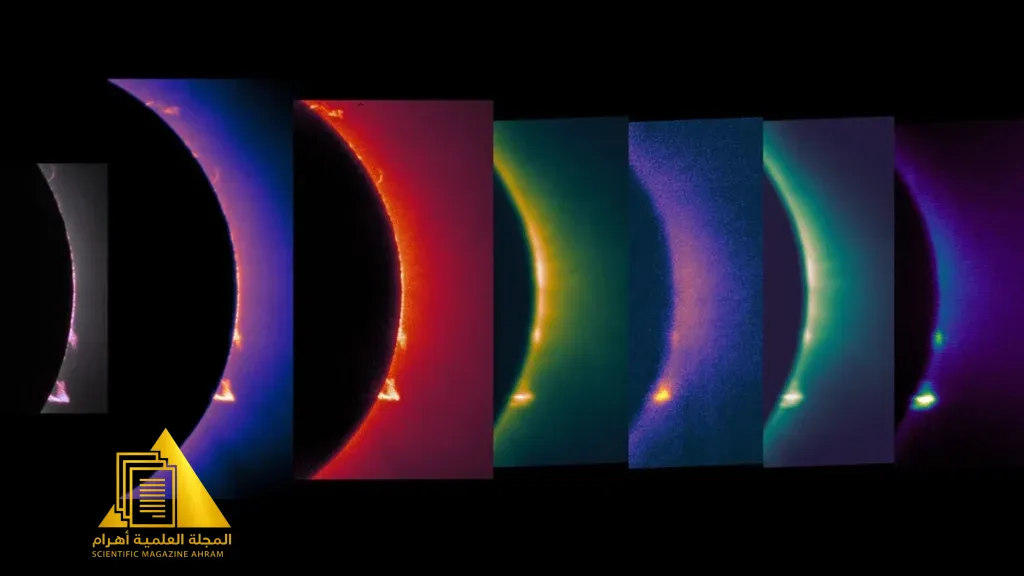
In a majestic cosmic spectacle that scientists are eagerly anticipating, our planet is preparing to witness a total solar eclipse this coming August. As the moon creeps in to completely cover the solar disk, the sky does not merely turn pitch dark; it opens a rare scientific window that allows researchers to study what cannot be seen under normal conditions, specifically the sun’s outer atmosphere, known as the “solar corona
“.
Decoding the Solar Corona
The solar corona is a mysterious and dynamic region, with temperatures reaching millions of degrees Celsius—a fact that raises scientific questions to which we have yet to find definitive answers. During a total eclipse, the moon blocks the sun’s blinding surface glare, allowing telescopes and space observatories to capture detailed images and spectral analyses of the corona. These data are not merely aesthetic snapshots; they are essential keys to understanding how the solar wind accelerates and directly impacts our space environment.
Direct Impacts on Our Planet
Understanding solar behavior is not a scientific luxury; it is a technical necessity to protect our planet. Solar storms erupting from the corona can disrupt global power grids, affect GPS systems, and interfere with aviation and satellites. By monitoring subtle changes in solar activity during this eclipse, scientists are working to improve space weather forecasting models, giving us a better ability to anticipate solar disturbances before they reach Earth and take the necessary precautionary measures.
Intensive Scientific Preparations
International scientific agencies are mobilizing their efforts to deploy advanced monitoring instruments along the eclipse paths, particularly over regions such as Greenland and Iceland. Through these field campaigns, scientists aim to gather precise data on the temperatures and chemical compositions of the sun’s atmosphere. Every single minute of totality equals years of laboratory study, making this event a golden and infrequent opportunity to unlock the secrets of our parent star.
By: Hany Sallam
Source: NASA


Latest video
تابع معنا تحليل قراءة الصحف اليومية مع الكاتب الصحفي Hany Sallam عبر