

Modern Trends in Measuring and Evaluating Student Abilities in the Era of the Fourth Industrial Revolution
(Part Five and Final)
Neural Network-Based Assessment:
“Exploring the Future of Artificial Intelligence in Data Analysis and Trend Forecasting”
By: Prof. Osama Maher Hussein (Professor of Educational Planning and Principles at the National Center for Examinations and Educational Evaluation – Cairo)
First: The Concept
In a world of increasing data complexity and diversity, the need for powerful analytical tools is more urgent than ever. Neural networks play a pivotal role in meeting this need, offering immense potential to process big data and extract insightful conclusions from it.
Neural network-based assessment is an effective tool in the educational process, relying on artificial intelligence techniques to evaluate student performance and analyze their data accurately and comprehensively. In this type of assessment, neural networks process huge amounts of educational data, such as test answers, written assignments, student behavior inside the classroom, and their interaction with educational materials.
A Simpler Explanation of the Concept:
In reality:
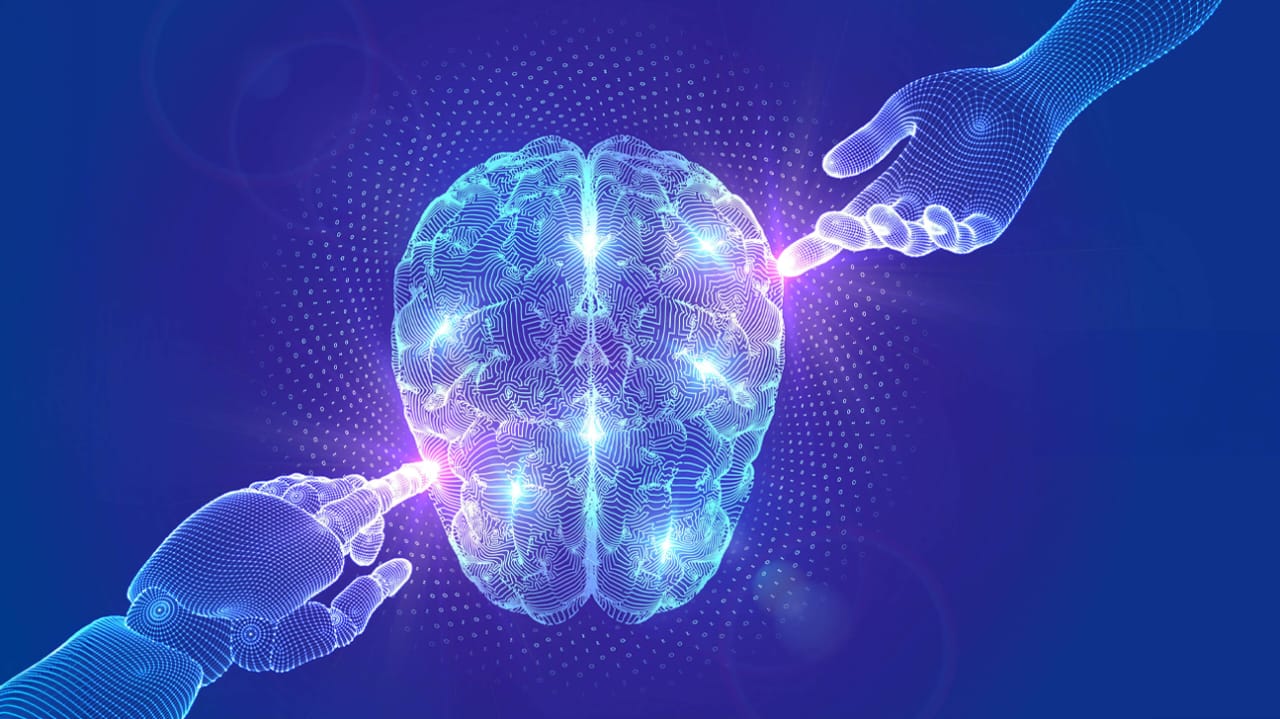
o The neural networks used in this type of assessment are mathematical models inspired by the structure and function of the human brain.
o The human brain consists of complex networks of interconnected cells that send and receive electrical signals.
o Artificial neural networks mimic these biological networks through algorithms that enable them to learn from data and make decisions.
In other words:
o Artificial neural networks are inspired by the biological neural networks in the human brain, but they are not an exact copy.
o Artificial neural networks are mathematical tools designed to solve specific problems, such as assessment and forecasting.
o Artificial neural networks do not possess the same capabilities, awareness, or sentience as the human brain.
Therefore:
o The name “neural network-based assessment” refers to the mathematical model inspired by brain structure, not to the human brain itself.
o This name clarifies that this type of assessment relies on smart techniques inspired by nature.
Second: The Objective of Using This Type of Assessment
Neural network-based assessment seeks to achieve several goals, including:
• Accurate and comprehensive assessment: Neural networks enable the precise and comprehensive evaluation of student performance by analyzing various aspects of learning, such as knowledge, skills, and personal abilities.
• Identifying strengths and weaknesses: Neural networks help determine each student’s strengths and weaknesses, allowing teachers to design personalized learning plans that meet individual student needs.
• Forecasting student performance: Neural networks can forecast future student performance, helping provide necessary support to students facing learning difficulties.
• Improving the learning process: The results of neural network-based assessment contribute to improving the learning process overall by providing valuable information to teachers and students alike.
Third: Application Mechanisms
The mechanisms for applying neural network-based assessment vary and include:
• Adaptive assessment: Adaptive tests provide students with customized questions based on their performance on previous questions, allowing for an accurate evaluation of their level of understanding of educational materials.
• Performance-based assessment: Neural networks can analyze student performance in various tasks, such as computer programming, problem-solving, or delivering presentations.
• Behavior-based assessment: Neural networks can analyze student behavior inside the classroom, such as their attention, interaction, and participation in discussions.
Important Notes:
o Neural network-based assessment is a powerful tool, but it is not a substitute for human assessment.
o It needs to be used alongside other tools and expertise to ensure assessment accuracy and effectiveness.
o This technology is still under development, and research is underway to improve its capabilities and reduce its flaws.
Fourth: Application Tools
The tools for applying neural network-based assessment vary and include:
• E-learning platforms: Many e-learning platforms provide assessment tools based on neural networks.
• Data analysis software: Data analysis software is used to process huge amounts of educational data and extract valuable information.
• Artificial intelligence applications: AI applications are used to automatically evaluate student performance and provide useful feedback.
Fifth: The Teacher’s Role
The teacher plays an important role in applying neural network-based assessment through:
• Designing customized learning plans: The results of neural network-based assessment help the teacher design customized learning plans that meet the needs of each individual student.
• Providing necessary support to students: Teachers can use neural network-based assessment results to identify students who are facing learning difficulties and provide them with support.
• Analyzing and interpreting data: Teachers can analyze neural network-based assessment data and understand student strengths and weaknesses.
Sixth: The Role of the Student:
In neural network-based assessment, students become active participants in the learning process by:
• Sharing their learning data: Students share their learning data with neural networks, which helps improve the assessment process.
• Interacting with assessment tools: Students interact with neural network-based assessment tools, such as adaptive tests, graded assignments, and artificial intelligence applications.
• Receiving useful feedback: Students receive useful feedback from neural networks on their performance and level of understanding of educational materials.
Seventh: The Role of the Parent:
Parents can play a supportive role in neural network-based assessment by:
• Monitoring their child’s learning progress: Parents can track their child’s learning progress by viewing the results of neural network-based assessments.
• Communicating with the teacher: Parents can communicate with teachers to discuss neural network-based assessment results and their child’s educational needs.
• Encouraging their child to participate in the learning process: Parents can encourage their child to engage in the learning process by interacting with neural network-based assessment tools.
Eighth: Practical examples of how to implement neural network-based assessments across different subjects:
1- Mathematics:
Lesson: Solving linear equations
Context: Students solved a set of linear equations as homework.
How can neural network-based assessment be used?
o Analyzing student answers: The neural network can analyze student answers to all problems and identify common mistakes.
o Providing individual assessment: The neural network can provide individual assessments for each student, identifying strengths and weaknesses in equation-solving skills.
o Identifying students who need extra help: The neural network can identify students who experienced significant difficulties in solving equations, allowing teachers to proactively provide support.
o Suggesting additional exercises: The neural network can suggest additional exercises for each student based on individual needs.
2- Science:
Topic: Chemical composition of substances
Context: Students conducted a laboratory experiment to determine the chemical composition of a specific substance.
How can neural network-based assessment be used?
o Analyzing student results: The neural network can analyze student experimental results and determine whether they are correct or incorrect.
o Assessing student understanding of scientific concepts: The neural network can evaluate student understanding of scientific concepts related to the chemical composition of substances.
o Providing individual feedback: The neural network can provide individual feedback to each student on their performance in the experiment, highlighting strengths and weaknesses.
o Suggesting additional learning activities: The neural network can suggest additional learning activities for students who encountered difficulties understanding scientific concepts.
3- Social Studies:
Topic: Causes of the Third Industrial Revolution
Context: Students wrote an essay on the causes of the Third Industrial Revolution.
How can neural network-based assessment be used?
o Analyzing the content of student essays: The neural network can analyze the content of student essays and determine whether they are comprehensive and accurate.
o Assessing student critical thinking skills: The neural network can evaluate student critical thinking skills by analyzing their arguments and evaluating their sources.
o Providing individual feedback: The neural network can provide individual feedback to each student on the quality of their essay, identifying strengths and weaknesses in their writing.
o Suggesting additional educational resources: The neural network can suggest additional educational resources for students who need more information about the Third Industrial Revolution.
4- Languages:
Topic: Writing a short story
Context: Students wrote a short story in English.
How can neural network-based assessment be used?
o Analyzing grammar and spelling: The neural network can analyze grammar and spelling in each student’s story and identify errors.
o Assessing creative writing skills: The neural network can evaluate student creative writing skills by analyzing writing style and imagination.
o Providing individual feedback: The neural network can provide individual feedback to each student on the quality of their story, identifying strengths and weaknesses in their writing.
o Suggesting additional writing exercises: The neural network can suggest additional writing exercises for students who need to improve their English writing skills.
5. Neural Network-Based Assessment in Industrial Technical Education:
Project: Designing and building a simple robot
Context: Students designed and built a simple robot capable of moving in a straight line and changing direction.
How can neural network-based assessment be used?
o Analyzing robot performance: The neural network can analyze the robot’s performance by tracking its movement and determining whether it follows a straight path and changes direction correctly.
o Assessing students’ design and programming skills: The neural network can evaluate students’ design and programming skills by analyzing the robot’s design and code.
o Providing individual feedback: The neural network can provide each student with personalized feedback on their robot’s performance, identifying strengths and weaknesses in its design and programming.
o Suggesting improvements to the robot’s design: The neural network can suggest improvements to the robot’s design and programming to help students improve its performance.
6. Soft skills subject:
Topic: Conflict resolution
Context: Students role-played a real-life situation requiring conflict resolution.
How can neural network-based assessment be used?
o Analyzing student behavior: The neural network can analyze student behavior during the conflict resolution role-play and determine their communication, cooperation, and problem-solving skills.
o Assessing students’ capacity for empathy: The neural network can evaluate students’ ability to empathize with others and understand their perspectives.
o Providing individual feedback: The neural network can provide each student with personalized feedback on their performance in the conflict resolution role-play, identifying strengths and weaknesses in their skills.
o Suggesting additional learning activities: The neural network can suggest additional learning activities for students who need to improve their conflict resolution skills.
7. Life skills subject:
Topic: Time management
Context: Students planned their school day and identified tasks they needed to accomplish.
How can neural network-based assessment be used?
o Analyzing student plans: The neural network can analyze student plans and determine whether they are realistic and achievable.
o Assessing students’ time management skills: The neural network can evaluate students’ time management skills by analyzing their ability to prioritize tasks and manage their time effectively.
o Providing individual feedback: The neural network can provide each student with personalized feedback on the quality of their plan, identifying strengths and weaknesses in their time management skills.
o Suggesting time management strategies: The neural network can suggest time management strategies for students who need to improve their skills in this area.
All of the above are just a few examples of how neural network-based assessment can be used to evaluate students across different academic subjects. As the development of this technology continues, we expect to see even more innovative applications for it in education.
Ninth: The impact of this application on educational effectiveness and learning outcomes across different educational stages:
A. Primary stage:
o Enhancing literacy skills: Neural network-based assessment can be used to accurately evaluate students’ reading and writing skills and provide them with useful feedback.
o Discovering student talents: Neural networks can discover student talents in various fields, such as mathematics, science, or the arts.
o Improving problem-solving skills: Neural network-based assessment helps students develop problem-solving skills through tailored assessment tasks designed specifically for them.
B. Preparatory stage:
o Assessing critical thinking skills: Neural networks can accurately evaluate students’ critical thinking skills and provide them with useful feedback.
o Preparing for standardized tests: Neural network-based assessment helps students prepare effectively for standardized tests by evaluating their strengths and weaknesses.
o Guiding students toward appropriate academic paths: The results of neural network-based assessment enable students to choose academic paths suited to their talents and abilities.
C. Secondary stage:
o Assessing scientific research skills: Neural networks can accurately evaluate students’ scientific research skills and provide them with useful feedback.
o Preparing for university: Neural network-based assessment helps students prepare effectively for university by evaluating their skills and abilities.
o Guiding students toward the job market: The results of neural network-based assessment enable students to acquire the skills and experience needed to succeed in the job market.
Tenth: Can neural network-based assessment predict the educational system or a student’s future educational path across academic stages? And how is that done?
Yes, neural networks can forecast the education system and a student’s academic future across different stages of study. This capability relies on analyzing large volumes of educational data, such as student grades, classroom behavior, and engagement with course materials, alongside other social and demographic factors, through the following steps:
1. Data collection and analysis: Data is gathered from multiple sources such as learning management systems, performance tests, term evaluations, and attendance records. Neural networks can analyze this data to identify patterns and trends.
2. Predicting academic performance: Neural networks can forecast students’ future performance by analyzing historical data and identifying factors that affect academic performance. These factors can include the level of participation in lessons, homework, and past tests.
3. Identifying at-risk students: Neural networks can identify students who may be vulnerable to failure or academic decline based on an analysis of their behavior and previous results. These predictions can help in taking early action to support these students.
4. Personalizing education: Neural networks can provide customized recommendations for each student based on individual strengths and weaknesses. This can include suggestions for additional lessons or educational resources that the student may need.
5. Improving curricula: By analyzing data at the school or district level, neural networks can provide insights into curriculum effectiveness and suggest improvements to achieve better educational outcomes.
6. Forecasting educational trends: Neural networks can analyze data on a broad scale to forecast general educational trends, such as future workforce needs or the most in-demand academic specialties, which helps guide educational policies.
By using these capabilities, neural networks can make significant contributions to improving the quality of education and personalizing it to better meet student needs, leading to more positive and comprehensive educational outcomes.


Latest video
تابع معنا تحليل قراءة الصحف اليومية مع الكاتب الصحفي Hany Sallam عبر