
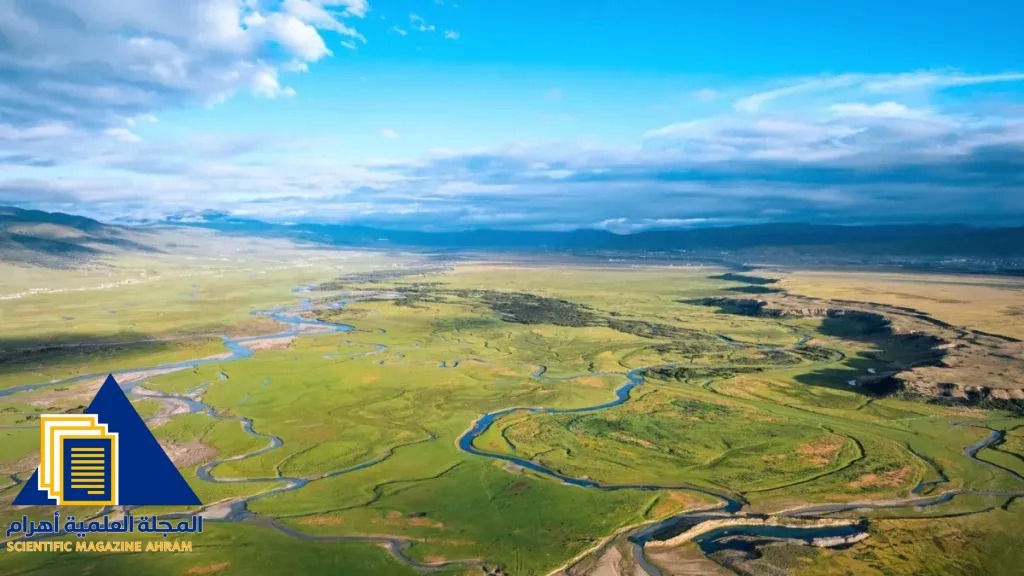

Earth’s Forgotten Lungs: Why Does the Loss of Plant Diversity Threaten Our Climate?
We have long viewed forests as the first line of defense against climate change, but a recent scientific study has highlighted “hidden heroes” in our battle to protect the planet: grasslands and meadows. The findings indicate that biodiversity within these ecosystems is not merely an aesthetic feature, but a fundamental driver of the soil’s ability to capture carbon and store it away from the atmosphere.
Alarming Losses in Absorption Capacity
Research has revealed that the loss of plant diversity leads to catastrophic results for climate stability. Globally, the decline of plant species in grasslands causes a 15% drop in the capacity of these lands to absorb carbon. What is most concerning is that this percentage doubles to reach 50% in tropical ecosystems, meaning these areas may lose half of their efficiency in mitigating global warming once their biodiversity is threatened.
How Plants Support Carbon Balance
Carbon capture in grasslands relies on a complex network of interactions among different plant species. Each species has a unique root system and growth rate, allowing the soil to absorb carbon more efficiently and store it at varying depths. When certain species are lost and a few dominant ones take over, the soil becomes less capable of absorbing and storing carbon, which reduces the resilience of grasslands when facing harsh weather conditions such as drought or floods.
Restoring Balance: An Urgent Need
Conserving grasslands is not simply about protecting natural pastures or their biodiversity, but is an essential strategy for global climate policies. The challenge lies in how to manage these lands to support plant diversity, which in turn will enhance their capacity as natural carbon sinks. Protecting every plant in the meadow today means ensuring cleaner air and a more stable earth for future generations.
By: Hany Sallam
Source: earth.com


Latest video
تابع معنا تحليل قراءة الصحف اليومية مع الكاتب الصحفي Hany Sallam عبر