
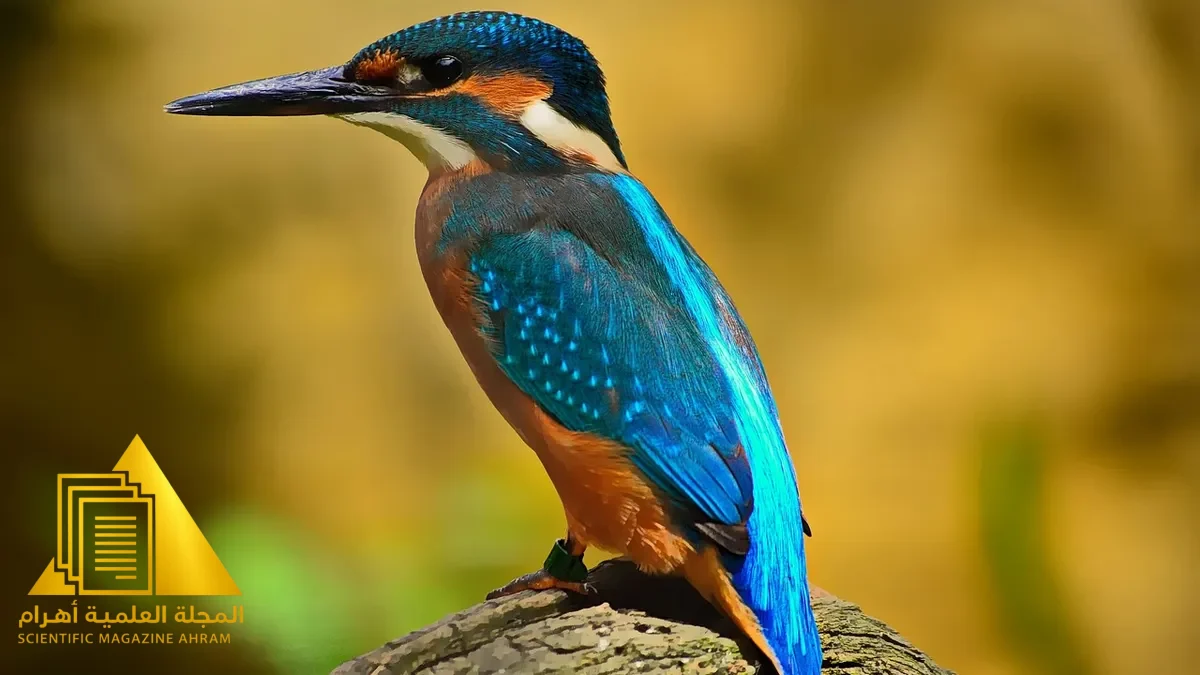

Hidden Risk in Our Daily Routine
Simple daily activities, such as visiting a zoo to enjoy nature or even caring for pet birds and cleaning their waste, may seem like innocent practices that suggest no danger. However, recent scientific studies warn of another side to these activities, as they can be a hidden gateway for the transmission of a serious infection that causes a severe type of pneumonia threatening public health.
How Infection Passes From Feathers to Lungs
The main problem lies in pathogens carried by some birds that are transmitted to humans without them realizing it. When cleaning cages or handling dried bird waste, microscopic airborne particles scatter to settle in the human respiratory system. Likewise, direct contact or being in enclosed environments housing infected birds increases the chances of inhaling these lethal bacteria or viruses, leading to acute pneumonia.
Simple Preventive Measures to Protect Your Health
Despite the seriousness of these risks, avoiding them requires only a little awareness and following sound health habits. It is always recommended to wear masks and gloves when cleaning areas where birds are kept, and to wash hands thoroughly with soap and water after any potential contact. You should also exercise caution when visiting public places with gatherings of animals and birds, and maintain safe distances, to ensure you can enjoy nature without endangering your health.
By: Hany Sallam
Source: scientificamerican.com


Latest video
تابع معنا تحليل قراءة الصحف اليومية مع الكاتب الصحفي Hany Sallam عبر