
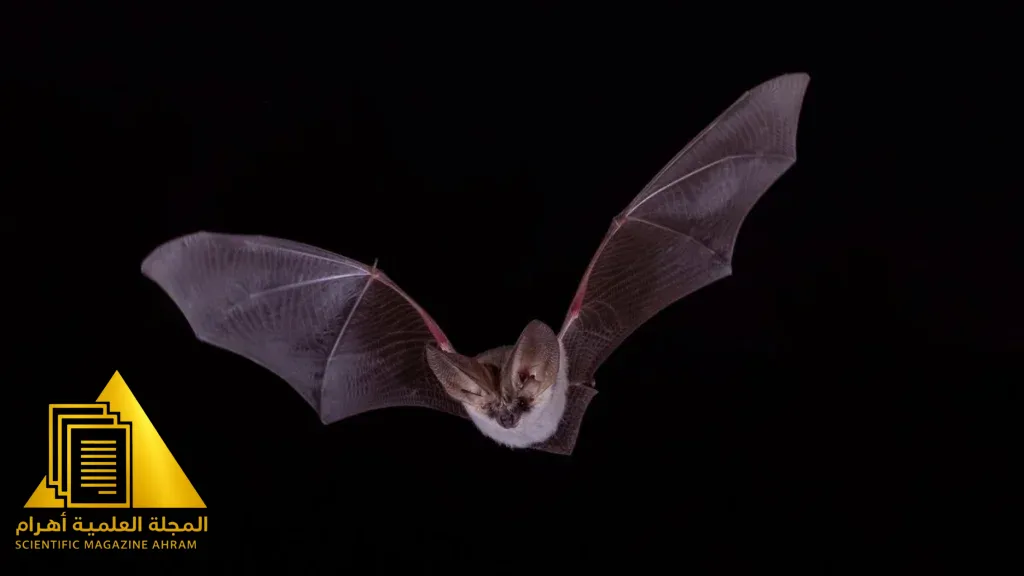

An Introduction to the Dark World of Bats
Although bats are often linked to Halloween atmospheres and scary stories, the scientific reality of these creatures is far removed from those myths. Bats are not evil creatures; rather, they are a vital part of our ecosystem that deserves a great deal of appreciation and accurate scientific understanding.
The Miraculous Natural Sonar
Bats possess an exceptional ability to hunt and navigate in pitch darkness using echolocation. These mammals emit sounds at frequencies that exceed the limits of human hearing, relying on the bouncing echoes of these sounds to locate prey with astonishing precision that resembles the latest military radar systems.
Vast Diversity and an Environmental Defense Weapon
The bat family includes thousands of different species that make up about a quarter of all mammal species on Earth. These creatures play an invaluable environmental role; some contribute to pollinating plants and spreading seeds, while insect-eating species consume tons of agricultural pests and mosquitoes daily, which protects crops and reduces the spread of disease.
Myths and Misconceptions
Incorrect stories have circulated throughout history claiming that bats are blind or eager to suck human blood. Science proves quite the opposite; all bat species see well, and the largest share of them feed on fruit, flower nectar, or insects, while only a few species feed on animal blood in limited geographic areas.
Why Do Bats Need Our Support?
Bats today face real threats to their survival, ranging from the destruction of natural habitats to fungal diseases. Protecting these nocturnal creatures is not only saving a unique animal species, but also preserving the ecological balance that we all depend on here on Earth.
By: Hany Sallam
Source: scientificamerican.com


Latest video
تابع معنا تحليل قراءة الصحف اليومية مع الكاتب الصحفي Hany Sallam عبر